
Refine by
Remediation Method Articles & Analysis
96 articles found
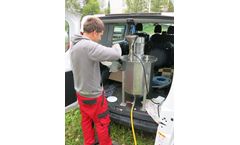
SITE CHARACTERISTICS Together with partners from the Czech Republic (Dekonta, a.s.) and Belgium (ABO and Adviesbureau inzake Grondwater Technieken n.v), NANO IRON works on research and development of in-situ remediation technologies based on hydraulic fracturing of subsurface. The main benefit of the method is a possibility of application of the ...

Site Sees PCE Concentrations Reduced Tenfold, While Eliminating Other Contaminants Newterra supplies a dynamic ozone generating system for a 2-phase pilot program and full-scale remedial operation. An Interim Remedial Action Plan (IRAP) was submitted to the Los Angeles Regional Water Quality Control Board (LARWQCB) for the remediation of a facility in Northridge, California. Primary volatile ...

The balance between ambition and realism - S.M.A.R.T. goals The balance between ambition and realism For Environmental Consulting and Engineering, setting and achieving goals is crucial to driving success and innovation. At EVX Software, we believe in pushing beyond comfort zones while maintaining a balance that ensures goals are attainable. Our approach integrates the principles of SMART ...

Instead of traditional ex-situ methods such as dig and dump and dredging, EKOGRID in-situ electro kinetic oxidation technology was chosen for the site to reduce the costs of remediation and avoid disturbances to the environment. Polluted water embankments and bottom sediments are challenging remediation targets, yet cleaning them is extremely ...
EKOGRID in-situ technology amplifies the remediation power of nature and has already proven to be an ecological, sustainable, and cost-efficient way of cleaning and remediating the environment in ten countries across five continents. In the case of Canada, the goal of the test was to verify the remediation effect of creosotes, and EKOGRID™ ...
The EKOGRID in-situ soil remediation project at a former oil above-the-ground storage tank (AST) site in Finland is a successful evidence of a cost-efficient and environment-friendly way of cleaning up abandoned storage tank sites. After completion of the EKOGRID in-situ remediation, the need for excavation, dump and replacement soil was reduced by 90%, from a total of 15,000 cubic meters (m3) of ...
What Is the 40% Rule? Breaking Through Self-Imposed Limitations Pushing boundaries is not just a strategy; it’s a necessity. The 40% rule, a concept from Navy SEAL training that reveals how our limits are often self-imposed. This rule teaches that when you feel you’re at your breaking point, you’re actually operating at only 40% of your true potential. For project managers in ...
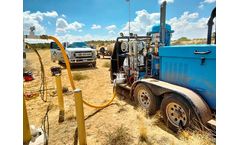
Overview For each project, AcuVac Remediation must determine the best methodology to effectively remove volatile organic compounds (VOCs) from groundwater and soil while minimizing disturbance to the water table. Challenge Houston-based AcuVac Remediation receives calls reporting contamination from a wide range of sources–from oil fields to leaking ...

Remediation methods, such as soil vapour extraction and in situ chemical oxidation are challenging in cold, low-permeability conditions, highlighting the need for alternative approaches. ...
ByLiORA
An active petroleum hydrocarbon pipeline site had 20,000 m3 of impact and an initial plume area of 8,100 m2 based on an environmental consulting firm’s Phase II Environmental Assessment. An active recovery program over five (5) years had recovered approximately 14% of the released product but was discontinued due to declining extraction efficiencies with high operating ...
ByLiORA

Legionella remediations are treatment processes for controlling Legionella in a building water system, generally deployed after routine Legionella testing returns shows systemic positivity or if a case of Legionnaire’s disease is traced back to the facility. Copper-silver ionization is a proven remedial water treatment method backed by ...

To monitor the impact of environmental remediation projects on wildlife and ecosystems, several key methods can be employed:1. ...

Some standard methods used in environmental remediation include:Groundwater Pumping and Treatment: Environmental engineers use a vacuum pump to draw out contaminated water and treat it using methods such as carbon absorption, biological treatment, and air stripping[2].Soil Remediation: Environmental technicians employ techniques ...
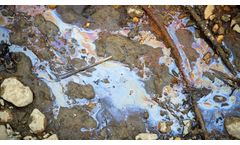
This process is crucial for protecting the environment and public health by reducing the presence of harmful substances[1][2][3]. Remediation can involve various methods categorized as ex-situ (excavation and treatment at the surface) or in-situ (treating contamination without removing soils or groundwater)[2]. ...

The thermal desorption process, a sophisticated remediation technique employed in environmental engineering, has garnered attention for its effectiveness in treating contaminated soil, sediments, and groundwater. ...
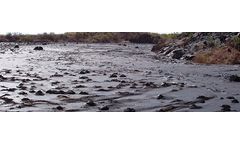
The recycling of crude oil contaminated soil presents a formidable challenge in the realm of environmental remediation. Traditional methods often fall short in addressing the complex matrix of hydrocarbons and pollutants embedded within the soil matrix. ...

But significant dollars will also have to be spent to remediate PFAS-contaminated soil, bedrock, and groundwater. The potential markets for PFAS remediation are numerous, ranging from chemical and other product manu- facturing to electric power, wastewater treatment, real estate development, retail petroleum, landfill operations, mining, ports and harbors, ...
The Landscape of Crude Oil Contamination Crude oil spills and leaks have left an indelible mark on ecosystems, compromising soil quality and posing a threat to biodiversity. Traditional remediation methods often fall short in fully restoring the affected areas, necessitating a paradigm shift towards more advanced and sustainable approaches. ...

Thrips, ah. the little insects that can pose annoying issues for cannabis cultivation. Thrips are minuscule, elongated insects that feed on cannabis plants’ sap, resulting in discolouration, crooked development, and decreased yields. But chill, fellow growers! It is possible to effectively prevent and treat thrips damage with the correct information and methods. The impact of thrips on ...

Acid mine drainage (AMD), also known as acid rock drainage (ARD), is a significant environmental concern arising from the exposure of sulfide minerals in mining waste to air and water. This chemical reaction, driven by the oxidation of sulfides, leads to the generation of highly acidic waters and the release of toxic heavy metals, wreaking havoc on ecosystems and water quality. AMD’s ...