
Refine by
Renewable Chemical Articles & Analysis
50 articles found
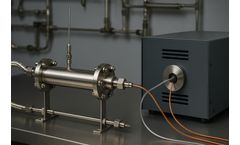
Power-to-Gas (PtG) processes are central to the defossilisation of global economies and, in particular, the chemical industry. The intermittency of renewable energy sources necessitates long-term chemical storage of electricity through dynamically operated PtG processes. ...

The use of renewable resources, especially green bioenergy, will be an important direction for future research and development applications. ...

In the energy sector, it is used to produce charcoal and biochar, which can be utilized as renewable energy sources. In the chemical industry, it plays a vital role in the production of activated carbon, which is essential for water purification and air filtration. ...

FEP is also widely employed in the chemical sector for lining tanks and piping systems due to its resistance to nearly all chemical media. In renewable energy, FEP film is favored for solar panels because it allows sunlight penetration while protecting against environmental factors. ...

Discarded tyres pose a severe ecological threat due to their non-biodegradable nature and potential for leaching harmful chemicals into soil and water systems. By diverting tyre waste from landfills and incineration, pyrolysis not only curtails environmental degradation but also conserves natural resources. ...
Synthetic Gas (Syngas): A mixture of hydrogen, carbon monoxide, and other gases, utilized for heat and power generation or as a feedstock for chemical processes. Environmental Advantages One of the key benefits of oil sludge pyrolysis technology is its environmental sustainability. ...
One of the primary outputs of tyre pyrolysis plants is pyrolysis oil, a versatile liquid fuel that can be used as a substitute for diesel or refined further into higher-value products such as gasoline and industrial chemicals. This renewable fuel source offers a viable alternative to fossil fuels, thereby contributing to energy security and climate resilience. ...
This bio-oil can be further refined to produce diesel, gasoline, or other hydrocarbon-based fuels, offering a renewable and sustainable alternative to traditional petroleum-derived fuels. ...

Non-degradable synthetic plastics include polyethylene (PE) and polyethylene terephthalate (PET), degradable plastics include polylactic acid (PLA) and polybutylene adipate terephthalate (PBAT), and microbial plastics are biodegradable plastics produced by microorganisms, with polyhydroxyalkanoates (PHAs) being a typical representative.Precursors of Non-degradable Synthetic PlasticsInclude ...

Rather than using antibody-based detection methods, inosine in RNA requires the use of these different base-pairing properties between modified and unmodified adenine bases or by chemical labeling strategies. In the former case, once the inosine site has been reversed transcribed, it can be interpreted as guanine, which then behaves as an A to G mutation in the cDNA. ...
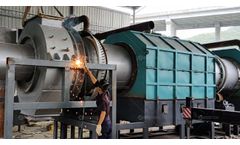
Condensation systems within biochar machines capture and separate these byproducts, allowing for their utilization in various applications, from renewable energy to bio-based chemicals. Benefits of Biochar Production Equipment Enhancing Soil Health and Carbon Sequestration 1.Soil Amendment: Biochar's Nutrient-Rich Impact The integration of biochar into soil ...
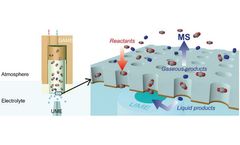
The electrochemical CO2 reduction reaction (CO2RR) powered by renewable energy to produce valuable chemicals and fuels has become a promising strategy for using renewable energy to produce fuels and chemicals. ...

Environmental protection and sustainable development have become the general trend in the development of the world’s chemical industry, and have become the main driving force for the renewal of chemical products and technology. ...

The Circular Economy has been established as the number one priority in the European Green Deal and innovative recycling technologies are helping refiners to apply the concept to downstream. Our new blog post explores the implications of the circular economy for refiners and the opportunities that waste recycling technologies offer, including the potential of chemical recycling. The Circular ...

-based Bergeson & Campbell, P.C., which manages the Biobased and Renewable Products Advocacy Group (BRAG), said Pruitt’s alignment with the fossil fuel industry does not necessarily telegraph a lack of support for biobased chemicals. Yet, ‘‘certain inferences flow from that alignment, none of which are especially good news for the biobased ...
Thompson, Ph.D., Principal Consultant for Ramboll Environ. “EPA’s New Chemical Delays Causing Ripple Effect,” Robert F. Helminiak, Managing Director of Government Relations, Society of Chemical Manufacturers and Affiliates (SOCMA). “Prioritizing Health Was Intent of New Chemicals Reforms,” Tom Udall, U.S. ...
Engler, Ph.D., co-authored the Pesticides, Chemical Regulation, and Right-to-Know 2016 Annual Report. The 2016 Annual Report provides a detailed review of the Frank R. Lautenberg Chemical Safety for the 21st Century Act (Lautenberg Act), the first comprehensive revision of the Toxic Substances Control Act (TSCA); the final TSCA rules for formaldehyde ...
Leaders from biotechnology, bioenergy, chemical, consumer products manufacturing, and agricultural industries as well as academia and financial sectors industries are invited to submit proposals to present on groundbreaking research and partnerships in the industrial biobased industry. Specific program tracks for the 2017 World Congress include: Advanced Biofuels and ...
Department of Energy (DOE) published a notice in the Federal Register soliciting applications for Biorefinery, Renewable Chemical, and Biobased Product Manufacturing Assistance Program (the Program) funding. ...
The webinar summary stated that “the creation of a robust, next-generation domestic bioenergy industry is one of the most important pathways for providing Americans with sustainable, renewable energy alternatives,” and “through research, development, and commercialization to produce renewable fuels and products sustainable and affordable, we can ...