
Refine by
Renewable Energy Generation Articles & Analysis
308 articles found

On May 20th, New South Wales (NSW) in Australia officially announced a new round of heavyweight energy bidding, which includes a 2.5GW renewable energy generation project and a 12GWh long-term energy storage supporting scale. This bidding is a key layout in Australia's energy transition process, ...

The conversion of biomass into charcoal represents a critical strategy in sustainable energy and environmental management. Biomass residues, including agricultural byproducts, forestry waste, and organic industrial discards, contain latent energy that can be efficiently recovered through carbonization processes. ...
The bio-oil produced can be used as a renewable energy source, either for heating or electricity generation. ...
The oil produced during pyrolysis can be further refined into fuel for industrial applications or power generation. This contributes to reducing the dependency on conventional fossil fuels, offering a renewable alternative for energy production. The gas generated can also be used to fuel the pyrolysis process itself, thereby ...
Biochar, a carbon-rich byproduct of biomass pyrolysis, is gaining recognition for its multiple benefits, including soil enhancement, carbon sequestration, and renewable energy production. As the demand for sustainable agricultural practices and environmental solutions continues to grow, biochar production equipment is undergoing significant innovations. ...

Heat pumps and electric thermal fluid systems are being deployed to maintain aggregate stockpile temperatures and provide hot water for batching, leveraging grid electricity that is increasingly generated from renewable sources.This shift extends to the curing processes for precast elements often produced in conjunction with ready-mix operations, where ...
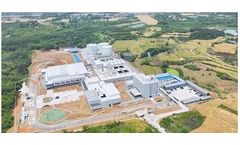
Background – The Challenge of Kitchen Waste China generates over 120 million tons of kitchen waste annually, placing significant pressure on landfills and incineration facilities. In Nanjing, kitchen waste accounts for a large proportion of municipal solid waste and is characterized by high moisture, high salt, and high organic content, making traditional treatment methods inefficient and ...

Project Overview The Taizhou Gaogang Bulky Waste Treatment Project, located in the Gaogang Economic Development Zone of Taizhou City, Jiangsu Province, is designed with a treatment capacity of 100 tons/day, and a single-line processing capacity of 10–15 tons/hour. The facility primarily handles discarded household items such as sofas, mattresses, tables, chairs, and garden waste from ...

Unlike other industrial processes, power generation is directly linked to the consumers of its product, since electric power cannot be economically stored in the quantities needed to continuously balance supply and demand on the grid. Thus, most power plants must follow the load demand and operate under conditions which are different from their design conditions for most of the ...
This transformation not only reduces agricultural waste but also creates a renewable energy source and soil conditioner. The use of efficient equipment such as a palm kernel shell charcoal machine allows for continuous production and stable carbonization, ensuring consistent biochar quality. 2. ...
Modern biochar production machines ensure this process is clean, efficient, and scalable. 4. Renewable Energy Generation During the production of biochar, gases and vapors are released, which can be captured and reused as energy. This creates a cycle that minimizes waste while producing renewable fuel. Why It ...

This waste-to-energy and waste-to-product concept not only helps reduce the environmental impact of waste disposal but also generates renewable energy and valuable products like bio-oil and biochar. 4. Sustainable Energy Production Bio-oil and syngas are renewable sources of ...

Conversion to Biomethane: After purification, the methane is concentrated, and it can be used as a renewable energy source for power generation, heating, or even as vehicle fuel. ...

The Town of Caledon, self-proclaimed “Greenest Town in Ontario,” demonstrates its commitment to sustainability through successful energy management initiatives that have reduced consumption and costs while preserving its heritage and fostering community progress ...
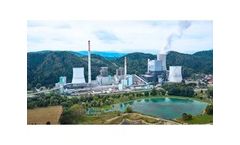
Summary Algae growth negatively impacts power generation efficiency by obstructing water flow, increasing maintenance costs, and causing potential revenue losses due to downtime. Real-time monitoring combined with non-chemical prevention strategies enhances algae management, ensuring efficient power generation and promoting the ecological health of aquatic ecosystems. Algae can significantly ...

Industrial decarbonization is a fundamental pillar in achieving global climate objectives, with water playing a key role in this transition. Its efficient and sustainable use can accelerate the shift towards a low-carbon industrial model, while inadequate management may pose significant obstacles. Water is essential in industrial decarbonization, presenting both substantial opportunities and ...
This may deter some investors and limit the rapid expansion of large - scale production. Energy Intensity: The pyrolysis process itself requires a certain amount of energy input. While the co - production of bioenergy can offset some of this, ensuring a net energy gain on a large scale can be challenging. Optimizing the energy ...

This creates opportunities for carbon credit trading, where businesses that produce biochar can sell credits to companies seeking to offset their carbon emissions. Energy Generation: The pyrolysis process does not only produce biochar; it also generates by-products such as syngas and bio-oil. These can be harnessed to provide ...
The resulting product is stable, resistant to decomposition, and has the potential to sequester carbon for hundreds to thousands of years when applied to soil. Pyrolysis also generates syngas and bio-oil, which can be utilized as renewable energy sources, further reducing reliance on fossil fuels. ...

This process not only helps manage waste but also contributes to sustainable farming practices by reducing harmful emissions, improving soil quality, and generating renewable energy. The Issue of Manure-Contaminated Biomass Litter Manure-contaminated biomass litter is a common by-product of intensive farming operations, especially in poultry, ...