
Retaining Wall Engineering Articles & Analysis
5 articles found
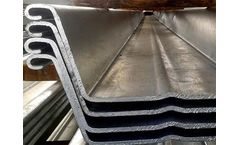
Through these interlocking edges, individual sheet piles are connected together and driven into the soil to form continuous and well-sealed retaining walls or water-retaining walls. It is often used in foundation engineering to support soil, prevent landslides, hold back water or form cofferdams. ...

Although both geogrid and geotextile are geosynthetics, they have obvious differences in physical form, function and application scenarios: Geogrid is a geosynthetic material, usually made of high molecular polymers such as polypropylene and polyvinyl chloride through thermoplastic or molding processes. It presents a two-dimensional grid shape or a three-dimensional grid structure with a certain ...
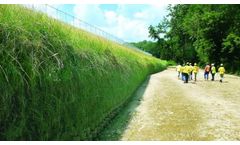
Construction of the Levee Wall Working within a limited footprint to maintain a narrow profile, the engineer designed the GEOWEB Retaining Wall as a gravity structure. ...

Geocells are also far more cost-effective than other construction solutions because the amount of material needed is drastically reduced compared to alternatives. Because the walls and columns of a structure can be built with significantly less material using geocells, the overall costs of materials is often substantially lower. ...

Undergraduate research in engineering was used as a means of raising awareness on materials recycling and alternative recycled material products and processes. Over a three-year period, the authors hosted undergraduate researchers to work on rubber and polymer concrete, rubber-sandwich structures and recycled rubber materials for road embankments and retaining ...