
Refine by
Rice Husk Articles & Analysis
390 articles found

The Growing Importance of Waste Biomass Management Biomass waste is generated from numerous sources, including crop straw, rice husks, coconut shells, sawdust, wood chips, bamboo residues, and forestry waste. ...
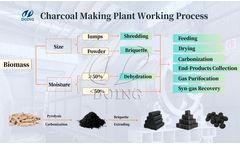
Common biomass feedstocks for charcoal making include wood scraps, sawdust, rice husks, coconut shells, and fruit wood. You should pick different biomass materials based on how you plan to use the charcoal. ...
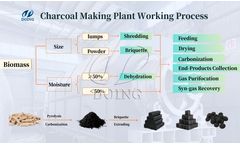
Biocoal Manufacturing Process: Biomass raw materials, such as wood chips, crop stalks, and rice husks, are first pulverized and dried. Subsequently, using the pelletizer or briquetting machine, they undergo high-pressure physical extrusion, either at ambient temperature or under heat, to be formed into dense pellets or briquettes. ...
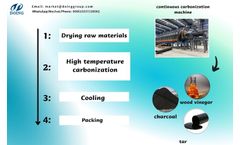
In the process of biomass resource recycling, biomass carbonization technology has garnered widespread attention for its ability to transform waste into high-value energy. Whether it be rice husks, coconut shells, wood chips, or agricultural crop stalks, converting them into biochar with high fixed carbon content requires undergoing high-temperature pyrolysis ...
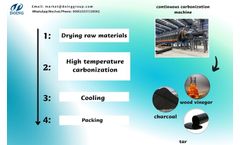
Agricultural waste typically possesses a high moisture content; specifically, freshly harvested crop stalks or fruit husks may contain moisture levels ranging from 30% to 60%. For most agricultural waste, drying pretreatment is required prior to carbonization. ...
The imperative to develop sustainable industrial practices has never been stronger. Agricultural residues, particularly rice hulls, often accumulate in large quantities, presenting both a disposal challenge and an untapped resource. The rice hull carbonizer transforms this biomass into high-value charcoal and biochar, creating a pathway for resource efficiency, waste reduction, and carbon ...
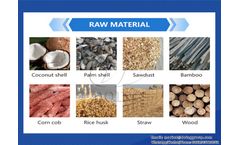
The following are some biomass feedstocks suitable for biochar carbonization&pyrolysis: ① Agricultural Waste Crop Residues: Such as rice straw, wheat straw, corn cobs, corn stalks, rice husks, peanut shells, bean stalks, cotton stalks, etc. ...
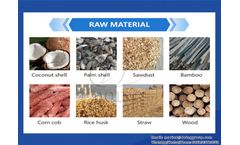
Whether in the form of agro-forestry residues—such as palm shells, coconut shells, and rice husks—or waste generated during wood processing, these materials serve as high-quality feedstocks for charcoal manufacturing. ...
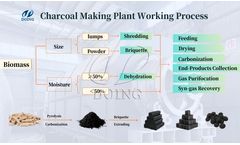
Continuous carbonization machine utilizes automated control systems for continuous feeding and discharging, streamlining operations and accommodating a variety of raw material types, such as coconut shells, bamboo shells, and other fruit shells, rice husks, corn cobs and other agricultural residues, as well as sawdust and branches from wood processing. ...
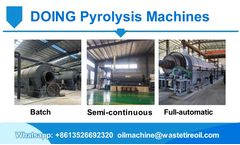
Agricultural production generates a large amount of waste every year, such as rice husks, straw, corn stalks, and fruit tree branches. These agricultural wastes can actually be transformed into valuable biochar through appropriate methods: pyrolysis/carbonization process. ...
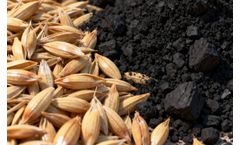
Rice husk carbonization is an important method for reusing agricultural waste, but direct carbonization often fails to achieve ideal results. ...
Produced through the carbonization of agricultural waste such as rice husks, wood chips, and crop residues, biochar offers both environmental and economic advantages. ...
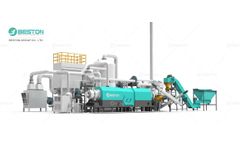
Feedstock options typically include: Rice husks Coconut shells Sawdust and wood chips Agricultural stalks and husks Other organic residues This versatility makes the machine suitable across a wide range of agricultural settings. ...
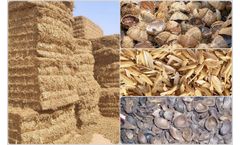
Agricultural Waste Agricultural waste, such as rice husks, corn stover, and fruit shells (such as coconut shells, cashew shells, and palm shells), is also a common choice for biochar production. ...
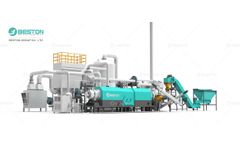
Small charcoal making machine can process a variety of biomass, including sawdust, coconut shells, rice husks, and wood chips. The flexibility to utilize local, low-cost residues reduces procurement expenses and supports a circular economy model. ...
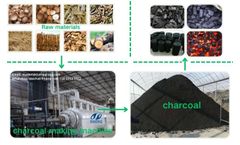
Diverse Raw Material Adaptability DOING charcoal making machines can carbonize a variety of biomass, eliminating reliance on hardwood. These include coconut shells, rice husks, sawdust, bamboo, and other agricultural waste, as well as kitchen waste and animal manure. ...
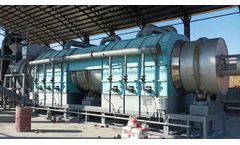
Feedstock Versatility and Waste Valorization Biochar equipment accommodates a broad range of lignocellulosic waste materials, including rice husk, coconut shells, sawdust, sugarcane bagasse, and even organic municipal waste. ...
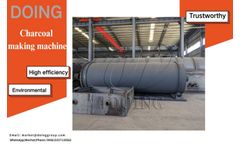
Charcoal Carbonization Kiln This machine is used in the carbonization process to convert raw materials such as wood, rice husks and other biomass into charcoal. This process is to heat under oxygen isolation conditions, so that the moisture and volatiles in the raw materials evaporate and decompose, and the wood fibers gradually carbonize, and finally form solid ...
While often associated with wood waste, the same core principles apply to biomass such as rice husk, coconut shell, and crop straw—processed using a straw charcoal machine. ...

Multi-Raw Material Adaptability Our uling making machine can handle various types of biomass, including wood chips, coconut shells, rice husks, and more. This versatility allows you to utilize locally available resources, reducing costs and ensuring a steady supply of raw materials. 2. ...