
Refine by
Root Analysis Articles & Analysis
97 articles found

As a result, compliance outcomes improve through faster detection, precise root-cause analysis, and integrated response actions. Conclusion Fenceline monitoring is increasingly expected as part of daily operations and governance. ...

The coexistence of legacy OOOOa standards with the higher-definition requirements of EPA OOOOb/c creates a regulatory risk, as third-party satellite networks and automated enforcement increasingly identify noncompliance. This analysis outlines the financial and operational risks of maintaining outdated OGI equipment at OOOOa assets and explains why upgrades are required before ...
ByOPGAL

As a result, compliance outcomes improve through faster detection, precise root-cause analysis, and integrated response actions. Conclusion Fenceline monitoring is increasingly expected as part of daily operations and governance. ...
As a result, compliance outcomes improve through faster detection, precise root-cause analysis, and integrated response actions. Conclusion Fenceline monitoring is increasingly expected as part of daily operations and governance. ...

The FDA’s new Quality Management System Regulation (QMSR) Final Rule aligns U.S. medical device quality requirements with ISO 13485. This checklist highlights key compliance areas to help manufacturers prepare for the February 2026 enforcement ...
Planning to invest in AI but not sure where to begin? You’re not alone. Artificial intelligence is rapidly transforming modern quality management – reducing errors, improving reliability, increasing efficiency and productivity, and accelerating regulatory compliance. Industry reports estimate that up to 95% of manufacturers plan to invest in AI or machine learning within the next ...

Introduction Micro-fabricated parts are everywhere in modern manufacturing, yet they are rarely visible to the naked eye. As components become smaller, inspection becomes harder. Micro-fabricated part inspection exists to ensure these tiny parts meet design intent, function reliably, and comply with quality standards across manufacturing ...
Is your CAPA process solving problems, or just documenting them? A CAPA approach that’s too reactive, ill-defined, or focused on ticking boxes is unlikely to drive real improvements. In a regulated industry, it can also lead to serious compliance issues. We summarize the most common issues and associated audit findings and offer practical ways to strengthen your CAPA ...
Quality issues in medical devices often point to underlying weaknesses in the system, and ISO 13485-compliant CAPA is essential for correctly identifying cause and preventing the problem from recurring. Here’s an overview of CAPA requirements in ISO 13485 for medical device ...
If you don’t really know what caused a problem, efforts to fix it tend to go awry. This is partly because root cause analysis (RCA) can be complex. It’s also because it can get pigeonholed in risk files or other locations separate from a CAPA system. ...

Manufacturers implement continuous improvement mechanisms such as:Internal Quality Audits: Regular audits help identify non-conformities and improvement areas. Root Cause Analysis: Defects are analyzed using techniques like 5 Whys or Fishbone Diagrams to eliminate recurrence. ...

For decades, Laboratory Information Management Systems (LIMS) have been the digital backbone of quality control, compliance, and traceability in industries such as Water & Environment, Food & Beverage, Chemical and Manufacturing. On-premises platforms have long been trusted for their control and ...

Thermal runaway monitoring can assist in root cause analysis of abnormal battery cells, improving traceability and enabling continuous process refinement. ...
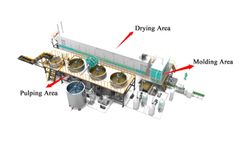
Output consistency, mold cycle speed, water recovery efficiency, and tray ejection rates are documented. Any deviations trigger root cause analysis and corrective action protocols. Only after passing all performance thresholds is the machine cleared for packaging and dispatch. ...
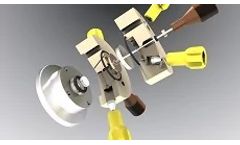
Electrochemical research hinges on understanding gas behavior at its most fundamental level. Tracking its roots to the 18th century, gas analysis has shaped discoveries in energy systems and environmental science, offering tools to decode complex reactions and innovate solutions. ...
The difference between major and minor non-conformances lies in the potential severity of their impact. In this article, we offer advice on defining what constitutes minor versus major non-conformances as part of your organization’s quality management system (QMS). We also offer several examples of minor and major non-conformances, to help illustrate the ...

Steps to Become a Professional Container Gantry Crane Manufacturer1. Market Research and Industry Analysis The first step in becoming a professional container gantry crane manufacturer is conducting thorough market research and industry analysis. ...
Interested in learning more about quality management and its application? Investing in some of the classic, recommended books on quality management is an excellent (and inexpensive) way to do this. Whether you invest in hard copies or electronic books, these quality management resources provide plenty of food for thought. They can expand your knowledge of quality tools, principles and best ...

On the east coast of Sweden, Telge Elnät distributes electricity to over 50 000 customers with a security of supply reaching 99,99% and continues to focus on large investments targeting a zero-outage policy. Telge Elnät is a customer to dLab since 2019 and below is a scenario describing how dLab’s platform early detected an incipient fault leading to a proactive investigation ...
Conducting root cause analysis of incidents in the electrical grid is essential in understanding the underlying dynamics of the system, reducing the risk of reoccurring issues, and improving resilience. ...