
Refine by
Root Sampling Articles & Analysis
14 articles found

The vacuum parallel concentrator is a core piece of equipment for sample pretreatment, and its malfunctions directly affect experimental efficiency and the accuracy of results. ...
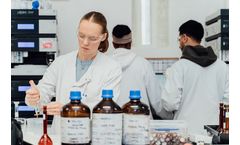
Data: Broughton’s data from multiple sites and clients can be accessed and managed from anywhere in LabHQ’s secure and compliant web-based platform Sample Management: LabHQ’s streamlined workflows and sample tracking ensure consistent sample management from submission to CoA release. ...
ByLabHQ

Once the ground is clear of debris, loosen or aerate the soil to create a hospitable growing environment for seeds to take root. Taking a soil sample to test may also be useful, as the results can indicate whether, and what kind, of fertilizers may be helpful to give the seeds a strong start. ...

Root barrier membrane is a smooth, high quality, high density polyethylene (HDPE) geomembrane produced from specially formulated, virgin polyethylene resin. This polyethylene resin is designed specifically for flexible geomembrane applications. It contains approximately 97.5% polyethylene, 2.5% carbon black and trace amounts of antioxidants and heat stabilizers, no other additives, fillers ...

The latter two are especially useful for unstable compounds or samples. Seed germination and root elongation tests are versatile and can be tested in water, wastewater, sediment, and slurry. ...

The influent was inoculated with E. coli O157:H7 containing DsRed fluorescent protein. Root samples were excised and analyzed via epifluorescent microscopy. E. coli O157:H7 was detected on the root surface at 2 hours after inoculation, and were visible as single cells. ...

In some cases even when continuous SPT sampling you can’t always detect small seams that we're interested in. ...
Wetland mesocosms were decommissioned to gather microbial community samples associated with the roots and gravel bed media taken from the top (10 cm depth), middle (30 cm depth) and bottom (60 cm depth). ...
For example, the QuEChERS approach to sample extraction and cleanup was first developed as a fast, easy way to prepare fruit and vegetable samples for pesticide analysis, but it can also be applied to other areas. In recent work [1], we used a QuEChERS extraction method [2] with cartridge solid phase extraction (cSPE) cleanup to prepare dietary supplement ...

“Inaccuracy in Legionella Tests of Building Water Systems Due to Sample Holding Time” Q. Who are the authors? A. Dr. William F. ...

We’re delighted to be able to provide an alternative exhaust sampling technology to expensive and often cumbersome full-flow CVS systems. ...

The purpose of this study was to determine the degree of contamination with polycyclic aromatic hydrocarbons (PAHs) in samples of soils, and corn around three different oily sludges in Zhongyuan oil field in summer. The contents of PAHs in the soil samples from high to low were the Third Wenming oil sludge (3W) > the Third Mazhai oil sludge (3M) > the Fourth ...

Yield and yield components were determined at 30-d intervals beginning in late May. Roots were sampled after the late June harvest (Day 0) and 1, 3, 6, 10, 14, 21, and 30 d thereafter. ...

Beans accumulate cadmium mostly in root (70 ppm) and a little amount is mobilized through upper parts (12-16ppm), but kidneys did not accumulate a significant amount. In radishes the roots did not accumulate a significant amount of cadmium but stems had 4 ppm and leaves had 25 ppm. ...