
Refine by
Rubber Recycling Articles & Analysis
202 articles found

Understand the types of waste materials you will process (plastic, rubber, biomass, etc.), the output products, and their market demand. ...
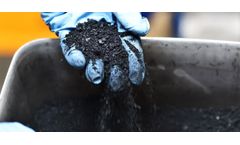
The rCB produced from tyre pyrolysis has similar properties to virgin carbon black, which is commonly used as a reinforcing agent in rubber products. By recycling carbon black, the tyre pyrolysis plant helps close the loop in the production chain, reducing the demand for virgin materials and lowering the carbon footprint of rubber and plastics ...
Historical Context and Evolution of Tire Recycling The tire recycling industry has evolved significantly over the years in response to environmental concerns and advancements in technology. ...

Few best benefits are: Conservation of Natural Resources: Tire recycling helps conserve natural resources by reducing the demand for raw materials used in tire production, such as rubber and oil. ...
ByEcoverva

For all these reasons, the industry is forced to rapidly implement a strategy aimed at strengthening its sorting, reuse, repair and recycling capacities within the European Union.Recycling is not easy We consume a wide variety of footwear made of different materials: leather, rubber, plastic, fabric, fibre, wood… This diversity increases the difficulty of ...

For all these reasons, the industry is forced to rapidly implement a strategy aimed at strengthening its sorting, reuse, repair and recycling capacities within the European Union.Recycling is not easy We consume a wide variety of footwear made of different materials: leather, rubber, plastic, fabric, fibre, wood… This diversity increases the difficulty of ...
Carbon black finds applications in rubber manufacturing and construction materials. Recycling Disposable Plastic Tableware Environmental Impact Disposable plastic tableware, including plates, cups, and utensils, contributes significantly to plastic pollution, with a large proportion ending up in landfills or polluting oceans and waterways. ...
As being a company that handles rubber, what one thinks of when you consider recycling that material? ...
The easiest way to eliminate old tyres is always to recycle them making use of the latest technology. That's when a pyrolysis plant is useful. ...
This innovative method not only addresses the problem of tire waste but also redefines rubber recycling by transforming discarded tires into valuable resources. ...
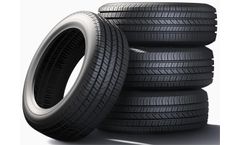
Through the magic of tyre pyrolysis plant solutions, it transforms from a discarded material to a Cinderella substance, ready to be reintegrated into a plethora of industrial applications. It's not merely recycling; it's an industrial fairy tale in the making.Navigating the Tyre Pyrolysis Landscape: More Than Just a Recycling RoutineEconomic Viability: Beyond ...
These methods break down the complex structure of tyres, separating them into constituent components like rubber, steel, and fibers. This mechanical metamorphosis lays the groundwork for further eco-friendly transformations.Pyrolysis ProcessStepping into the realm of advanced technologies, pyrolysis equipment emerges as a transformative force in tyre recycling. ...
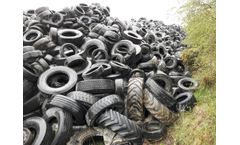
Pyrolytic oil can be used as a fuel source or further refined into chemicals, carbon black finds applications in rubber manufacturing, and steel is recycled for various industrial purposes. ...
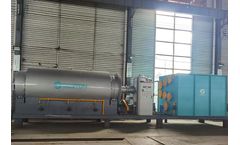
These plants play a crucial role in recycling tires, preventing them from ending up in landfills and contributing to pollution. ...
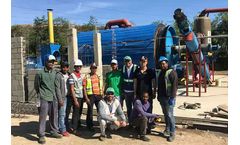
Currently, by far the most frequent techniques for getting rid of waste tires are waste tire recycling to recovered rubber, retreading, and pyrolysis technology. Of such, Pyrolysis technology is likely the most promising of every one of them. ...
One reason behind the many different types now available is the fact that global interest in rubber recycling equipment has never been higher. Governments from countries all over the world are promoting green energy schemes along with the eco-friendly waste disposal of rubber and plastic-based items. ...
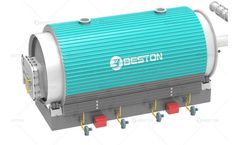
Currently, one of the most frequent methods for getting rid of waste tires are waste tire recycling to recovered rubber, retreading, and pyrolysis technology. Of such, Pyrolysis technology is most likely the most promising of these. ...
Maybe you have a great deal of rubber tyres that need to be processed, which implies you will have to get a sizable units to keep up with your entire production quota. ...
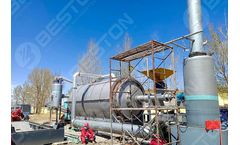
Having a modern rubber pyrolysis plant, it's possible to convert used automobile tires into useful commodities, including fuel oil, combustible gas, and carbon black. ...
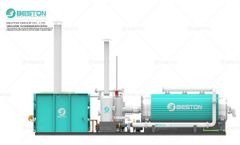
Not all the person could buy a pyrolysis plant to begin a waste rubber recycling business and earn a handsome profit in the process. If you want to save the ecosystem while earning a handsome profit, you should think about purchasing a small pyrolysis plant. ...