
Refine by
Ruminant Animal Articles & Analysis
24 articles found
Research in animal digestion traditionally uses in vivo techniques with live animals, but a recent study from researchers at the University of Padova highlights how BPC Instrument’s Gas Endeavour can be utilised to perform in vitro tests in the lab to study methane production and kinetics. Understanding animal digestion, particularly the ...

The integration of enzymes in animal feed has been an innovative step forward in the quest for optimizing animal nutrition, promoting health, and reducing environmental impact. ...
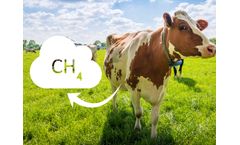
The global livestock industry is a significant contributor to methane emissions, with ruminant animals such as cows producing substantial quantities of methane during digestion. ...

Feed Additive Zeolite is used widely by livestock farmers as an animal feed additive for beef cattle, dairy Cows, Swine, poultry (broilers & egg production), and sheep. Since Zeolite is the World’s only naturally occurring, negatively charged, mineral a great number of benefits in the feed process can result from the basic chemistry of the zeolite as an ...
Advantages of Biochar Animal Feed 1.1 Enhanced Nutritional Value: Biochar animal feed offers a unique advantage in enhancing the nutritional value of livestock diets. ...
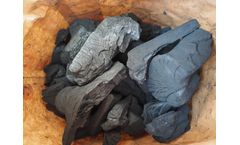
Biochar exhibits remarkable characteristics that make it a promising tool for various environmental applications.Methane Emissions in Animal HusbandryAnimal husbandry is a significant source of methane emissions due to the fermentation process that occurs in the digestive systems of ruminant animals, such as cattle and sheep. ...

Just how to buy animal food handling machine? If the pet feed equipment used for fish feed manufacturing or yard animals feed manufacturing, is it possible? ...
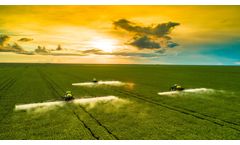
Optimisation of the composition of animal diets or the use of additives for feedstocks to reduce methane produced by ruminating animals are all options to reduce emissions from livestock farming.5,6 For crops, maintaining good quality soil conditions plays an important role in minimising emissions as building organic carbon content in soil helps ...
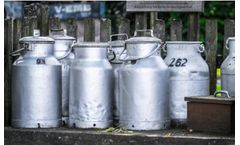
Domestic livestock such as cattle, sheep and goats, produce significant amounts of CH4 as part of the normal digestive processes in the ruminant stomach system. Ruminant animals host bacteria in their gastrointestinal systems to aid in the breakdown of plant material and some of these microorganisms (methanogens) use the acetate from the plant ...

According to the 2019 World Scientists’ Warning of a Climate Emergency: “Eating mostly plant-based foods while reducing global consumption of animal products, particularly ruminant livestock, can improve human health and significantly lower GHG emissions. “ Cattle and sheep are the most common ruminant livestock. According to ...

15 T/H pig chicken animal compound feed plant expansion project in China 120,000 Tons/year Poultry Feed Factory and 20,000 Tons/year Bio-organic Fertilizer Pellet Plant in China Poultry feed mill project with an annual output of 50,000 tons in China Full Automatic 60T/H Animal Feed Company Expansion Project In China Complete Whole 38 Tons Per Hour Advanced Good ...
Cellulase derived from fungi is mainly used in animal husbandry and feed work. 2. According to the degradation mechanism The cellulase reaction is different from the general enzyme reaction. ...

Where and How is Magnesium Absorbed? While non-ruminants absorb Mg primarily from the small intestine, ruminants are able to absorb much of their Mg requirement from the rumen. ...
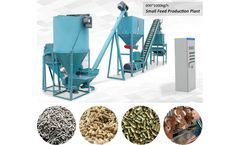
In recent years, more and more farmers who feed cattle, cow, sheep and other animals choose to make their own animal feed by purchasing a small set of ruminant animal feed production plant. ...
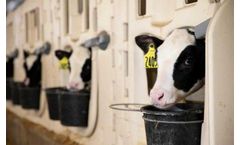
Creating lifelong immunity in baby calves has never been more important. A proactive approach to health, nutrition, and management is a must from day one. Having a proper program in place not only improves the health of the animal, it can improve resilience to stress and disease. By implementing adequate colostrum protocols, feeding a consistent diet of whole milk or milk replacer, and ...

Agriculture in the UK is responsible for 9% of total greenhouse gas emissions, with that number rising to 30% of worldwide total emissions.1 There are a variety of sources for such gases in agriculture, including methane production from livestock, carbon dioxide release on soil disturbance, and emissions from farm machinery.2-4 The question is how to reduce such emissions. Under the 2008 Climate ...

The primary sources of emissions associated with meat production come from the land-use change associated with pasturing, and from the animals themselves. Cows are ruminant animals, which means they produce large quantities of methane while processing their own food, which is then released to the atmosphere. ...

In each case, the eructed, or belched, emissions from each animal were measured with a portable FTIR gas analyzer from Gasmet Technologies. ...

Well, the same holds true for our cattle as well, but with one main difference: Where we only have one stomach to worry about, they have four! Cattle are animals technically classified as ruminants, a distinction that includes sheep, goats, and deer. ...

Methane is produced naturally by forest fires, permafrost, wild animals, rivers, lakes and wetlands. But more than half of the methane entering the atmosphere comes from human activities. According to the Global Methane Initiative, anthropogenic sources worldwide include the digestive process of ruminant animals (29 percent), oil and gas systems ...
ByEnsia