
Runoff Minimization Articles & Analysis
29 articles found
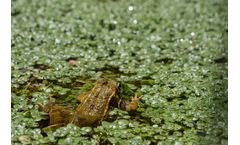
Ponds bring beauty and balance to any property, but algae can very easily interfere with that harmony. Overgrowth of the algae makes the water cloudy, kills fish, and spoils the natural appearance of the pond. Also, algae issues get worse and cause a health hazard to aquatic organisms. This is why the pond algae treatment is essential to the homeowner, landscape gardeners, and farmers. At Puroxi, ...

Soil erosion is an ongoing challenge for parks and recreation areas. Walkways and trails take a beating year-round due to the constant movement of people, combined with natural forces like wind and rain, which can cause significant damage to trails, open spaces, and facilities. Knowing how to prevent soil erosion is essential to maintaining these areas for long-term public use. By using effective ...
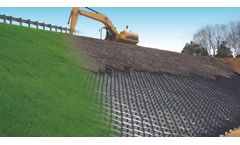
Innovative Site Solutions for Civil Engineering and Construction Projects When faced with challenging site conditions—whether it’s weak soils, steep slopes, or erosion-prone channels—finding an efficient, long-term solution that minimizes maintenance is essential. Geocells offer just that. These innovative cellular confinement systems (CCS) are a proven solution for load ...

Mobility: The relatively low water solubility of Pyroxasulfone reduces its potential for leaching and runoff, thereby minimizing the risk of contamination to surface and groundwater resources. ...
Mobility: The relatively low water solubility of Pyroxasulfone reduces its potential for leaching and runoff, thereby minimizing the risk of contamination to surface and groundwater resources. ...

This enhances nutrient availability to plants, reduces leaching, and minimizes nutrient runoff into water bodies. pH Regulation: Biochar has the ability to buffer soil pH, making it suitable for a wide range of crops and soil types. ...

Benefits of Smart Irrigation: Water Conservation: Smart irrigation minimizes water waste by ensuring that water is applied only when necessary, based on real-time data. ...
ByJXCT
Nutrient Management: Accurate measurements of nutrient levels in the soil help farmers apply fertilizers more efficiently, minimizing environmental impact and reducing input costs. Data-Driven Decision Making: Real-time data from soil sensors empower farmers to make timely and informed decisions about irrigation scheduling, fertilization, and pest management, leading to improved ...
ByJXCT
These silent sentinels, buried beneath the surface, whisper the secrets of the earth, empowering landscape designers to create not just aesthetically pleasing spaces, but thriving ecosystems that flourish with minimal environmental impact. From Intuition to Insight: Soil Sensors Unmask the Hidden World: Soil is a vibrant, dynamic ecosystem teeming with microorganisms, organic ...
ByJXCT
These silent sentinels, buried beneath the surface, whisper the secrets of the earth, empowering landscape designers to create not just aesthetically pleasing spaces, but thriving ecosystems that flourish with minimal environmental impact. From Intuition to Insight: Soil Sensors Unmask the Hidden World: Soil is a vibrant, dynamic ecosystem teeming with microorganisms, organic ...
ByJXCT
By accurately determining the amount of fertilizer required, farmers can minimize the amount of fertilizer applied to the soil, reducing the risk of runoff and nutrient leaching. ...
ByJXCT

This nutrient-rich liquid can be more precisely applied to crops, maximizing the benefits while minimizing environmental impact.3. Reduced Environmental Footprint: The proper management of manure through separators helps mitigate the environmental challenges associated with traditional manure handling methods. By preventing nutrient runoff and ...
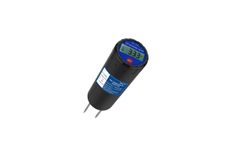
This targeted approach allows for precise nutrient application, reducing input costs, minimizing nutrient runoff, and maximizing crop yield. Soil Health Assessment: Measuring soil EC is an integral part of assessing overall soil health. ...

By matching nutrient requirements with water quality data, farmers can ensure optimal fertilization while minimizing unnecessary nutrient runoff into water bodies. This not only benefits crop productivity but also helps protect water resources. ...

Choosing native plants can generally discourage pest populations, and using pesticides can minimize the likelihood that pests will interfere with revegetation. ...
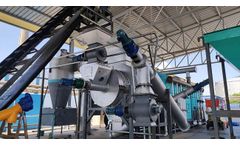
Biochar's exceptional water-holding capacity translates into improved moisture retention within the soil matrix. This, in turn, minimizes water runoff and enhances water availability to plants. By alleviating soil compaction and enhancing water infiltration rates, the biochar-infused soil becomes a reservoir of moisture, amplifying irrigation efficiency and ...

Treating farm runoff before it enters watersheds can reduce nutrients that promote overgrowth of algae. ...
Rather than leaching from roadways, like so many standard dust control products, our innovative Envirotac line of non-hazardous polymers have a compounding effect of binding to the soil that increases compression strength and minimizes sediment runoff. Envirotac products have a range of accolades for being safest for the environment and human ...
Soil erosion and sediment runoff to waterways are significant problems that affect many construction sites. ...

Environmental Impacts Pollution in runoff is called nonpoint source (NPS) pollution, and it has the largest environmental impact on groundwater and surface water. There are many sources and strategies for controlling nutrient-contaminated runoff. Cattle producers can control pollution, minimizing runoff from manure storage and ...