
Refine by
Runoff Prevention Articles & Analysis
57 articles found
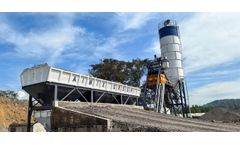
These enclosures are not mere boxes; they are engineered with sealed access points, acoustically treated ventilation, and vibration isolation mounts that prevent structure-borne noise transmission. For mixers and drives, the specification of low-noise components designed with helical gears and precision-balanced rotors reduces noise generation at the source. ...

Project Overview Kullu district in Himachal Pradesh lies in a highly sensitive Himalayan terrain where steep slopes, intense monsoon rainfall, and fragile soil conditions frequently lead to erosion, landslides, and slope failures. Infrastructure development, road widening, and changes in natural drainage patterns further increase the vulnerability of hill slopes in this region. To address these ...
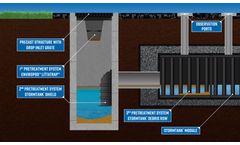
Stormwater detention systems, like the StormTank Module 25 Series, are critical infrastructure for controlling runoff and preventing flooding and pollution. But to function as designed, these systems must be properly maintained and regularly inspected. ...

Cooling follows immediately in a water-sealed chamber to prevent re-ignition, and finally, screening removes any uncarbonized fines, ensuring consistent quality. ...

For project managers and environmental directors overseeing large-scale operations, such as mining or commercial construction projects, erosion on steep slopes is a critical failure point. Uncontrolled soil runoff leads directly to fines from air quality agencies, affects structural integrity, and dramatically increases maintenance costs. So, the major question isn’t “if” ...
Drinking Water Source Protection Efforts Some states, especially in the Northeast and Midwest, have enacted drinking water source protection acts that prevent polluted runoff from entering the ground near reservoirs. Municipalities are now required to stem all unnecessary water entry into sewers, including surface inflow. These rules are fueling demand for ...
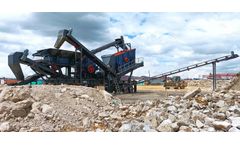
For mobile plants, careful placement on stable ground with vibration buffers helps prevent long-term subgrade damage. Continuous vibration monitoring helps identify structural threats before they escalate.Waste, Water, and Runoff Management Handling byproducts and residuals Crushed concrete generates more than just reusable aggregate. ...

In addition to being an affordable lawn solution, hydroseeding can also be an effective choice for erosion control, helping prevent soil erosion and runoff on slopes and other hard-to-stabilize areas. ...
Erosion control: Because hydroseeding can be used to establish vegetation on slopes and other erosion-prone areas, it can help stabilize the soil and prevent runoff. Cost-effective: In some cases, hydroseeding may be more cost-effective than traditional methods of planting grass, especially if you are planting on a large area or have difficult soil conditions. ...
Poor drainage can cause problems before you even get started, so it’s best to ensure you have properly irrigated the soil and provided runoff routes for excess water so it can’t easily pool or flow in low-lying areas, leading to uneven seed coverage and patchiness. If the soil is too wet, seeds will have a hard time establishing, so it’s best to test out the ...
This understanding will help you decide on fertilizers as well as additives like tackifiers and mulch, which can be used to support growth and establishment on steep slopes or areas where runoff is a concern. MULCH Mulch is commonly used in hydroseed mix because it helps retain moisture and protects seeds from environmental concerns like erosion, over-drying from sun exposure, ...
The hydroseeding process helps stabilize the soil, providing more hospitable environmental conditions for protective plants to establish and grow, which helps prevent runoff. Environmentally-friendly Materials: Hydroseeding uses biodegradable materials like wood-fiber mulch and mulch blends which can support soil health as well as stabilization. ...
Cover materials like straw play a pivotal role in helping prevent and control erosion in a variety of landscaping projects. Whether you need to stabilize a slope, reduce or control stormwater runoff, or limit excess water at a site, straw blowing can be used to prevent and control these adverse environmental forces from damaging unprotected ...
Erosion Control These qualities all help make hydroseeding one of the most sought-after choices for erosion control. In areas where erosion and runoff are particular concerns, hydroseeding can help in several ways. ...
Comprising a complex mixture of hydrocarbons, heavy metals, and other contaminants, oil sludge necessitates advanced treatment methods to prevent its detrimental impact on soil, water, and ecosystems. The Complex Composition: A Symphony of Contaminants Oil sludge's intricate composition, a result of oil refining and exploration activities, contains a symphony of contaminants that ...

EC data informs farmers about the precise amount of water needed to reach the root zone without causing leaching or runoff. This conserves precious water resources, prevents soil erosion, and promotes efficient water use. ...
With hydroseeding, even tough-to-reach slopes become accessible to a uniform seed mixture, with tackifiers and mulch added as needed to help support soil stability on the slope. Preventing issues with irrigation, erosion, and runoff is another primary concern for landscapers, as these issues can be costly both in terms of capital and natural resources. ...

Reduced Environmental Footprint: The proper management of manure through separators helps mitigate the environmental challenges associated with traditional manure handling methods. By preventing nutrient runoff and minimizing odors, these separators contribute to a more sustainable and eco-friendly agricultural ecosystem.4. ...

By recovering nutrients for reuse, anaerobic digestion also helps to protect aquatic systems from runoff and prevents overfertilization of agricultural lands. Any form of organic waste can be used in an anaerobic digester, including livestock manure and crop residues, food waste, yard clippings, municipal solid waste, sludge from treated sewage, paper and pulp, ...
Using plants for erosion control can be a natural and reliable method to prevent erosion and its long-term impact. How do Plants Help in Erosion Control? ...