
Refine by
Safety Compliance Articles & Analysis
616 articles found

The downstream petrochemical sector treats flare stacks as both a critical safety valve and a high-stakes compliance target. Under EPA CAM mandates, refineries must provide continuous, empirical verification that their emission control systems achieve their destruction efficiency. ...
ByOPGAL
Exhaust gas with reactive monomers such as acrylates easily causes polymer clogging in adsorption media, resulting in sharp efficiency drops, soaring consumable costs and potential fire safety hazards. It is difficult to strike a balance between operation cost and stable compliance performance. ...

However, when substituting materials, it is essential to consider project specifications, design codes, and certification requirements to ensure full compliance and ...

Propane gas monitoring systems are therefore a mandatory element of safety infrastructure at storage facilities. They provide continuous leak detection and support timely alarms and protective actions before hazardous concentrations are reached. This article outlines how propane gas monitoring is implemented in storage facilities, focusing on detection technologies, system ...
That’s why choosing the best propane sensor is not just a technical decision — it’s a matter of safety, compliance, and peace of mind. In this article, we’ll explain how propane sensors work, how to select the right one for your gas alarm system, and what features are essential for reliable leak detection. ...

Published June 18, 2026, the discussion clarifies how to distinguish engineered horizontal lifelines from non-engineered, pre-engineered options and why the choice matters for project safety, compliance, and liability. The key distinction is whether the system is designed for the site by a qualified person or used as a manufacturer-tested configuration within ...
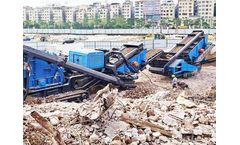
Reducing waste while producing cheap base materials directly maximizes your long-term project profitability. Regulatory Compliance and Site Environmental Safety Modern civil engineering standards demand strict compliance with local dust and noise regulations. ...
Catalyst and Adsorbent Protection Certain organic compounds and paint-related contaminants may affect catalyst activity and adsorption performance over time if pretreatment is insufficient. 5. Safety and Regulatory Compliance Furniture coating workshops often involve flammable solvents and combustible materials. VOC treatment equipment must meet applicable ...

Modern infrared camera leak-detection (OGI) enables multi-spectral detection to identify a broad range of gases, supporting safety, environmental compliance, and product recovery within a single workflow.The Downstream Complexity: More Than Just a Methane ProblemFor years, LDAR programs prioritized methane leaks, driven by regulations such as NSPS OOOOA and ...
ByOPGAL

Benefits and Applications Automated sorting increases purity of recycled materials, reduces labor costs, improves occupational safety, and enables compliance with increasingly strict environmental regulations. ...

Exceeding this limit reduces safety margins significantly.Ground Surface Damage High overload also increases:Ground pressure concentrationConcrete surface crackingYard infrastructure wear This can lead to long-term damage to marina or shipyard infrastructure.Wire Rope and Hoisting System Failure The hoisting system is another critical safety component affected by ...
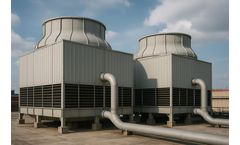
An integrated risk management program is required to maintain safety, reliability, and regulatory compliance, combining design assessment, water treatment, monitoring, maintenance, automation, and training.Understanding Legionella in Cooling TowersLegionella bacteria cause Legionnaires’ disease, a severe form of pneumonia, and infection occurs through inhalation ...
The medical waste processing industry is fiercely competitive. Processors face rising operating costs, limited throughput, and thin margins in a market where services are commoditized. For businesses looking to grow and increase profitability, these challenges can make expansion feel risky. Ozone medical waste sterilization systems offer a solution that changes the economics of processing. By ...

This shift toward fixed Optical Gas Imaging (OGI) technology augmented by Artificial Intelligence (AI) enables autonomous, continuous vigilance, establishing an unblinking safety architecture for real-time detection with reduced false alarms and improved compliance in petrochemical and energy facilities. ...
ByOPGAL

The automotive industry is evolving rapidly, with a strong focus on sustainability, safety and regulatory compliance. As vehicles reach the end of their lifecycle, the materials used in their components can have a significant impact on the environment. ...
For quality assurance managers, these chemical byproducts represent a dual threat: a significant public health risk to vulnerable groups and a massive financial and reputational risk through product recalls and non-compliance with strict Maximum Residue Limits (MRL). To mitigate these risks, many food and beverage producers are transitioning to in-situ generated hypochlorous acid ...

Extended Service Life: Materials and components designed for heat resistance maintain structural integrity longer than conventional cranes. Compliance with Standards: Meets international safety and quality standards such as ISO, FEM, and OSHA, which often mandate heat-resistant equipment for high-temperature applications. ...

Even minor errors in endotoxin water testing can compromise product safety and regulatory compliance. WFI is used directly or indirectly in injectable products, making its purity paramount. ...

Among the many design considerations for these cranes, determining the optimal load capacity is one of the most critical, as it directly affects safety, efficiency, lifespan, and operational costs. This article explores the factors influencing load capacity, calculation methods, safety considerations, and practical recommendations for selecting the right double ...

GME Recycling provides comprehensive acid recovery systems integrated with complete battery processing lines, maximizing resource recovery while ensuring regulatory compliance and operational safety. Understanding sulfuric acid recovery processes, applications for recovered acid, and economic considerations helps stakeholders evaluate battery recycling ...