
Refine by
Sawmill Articles & Analysis
71 articles found

For decades, wood waste has been viewed as an unavoidable expense in industries such as timber processing, furniture manufacturing, and construction. Sawmills, factories, and workshops often generate large amounts of residual wood, sawdust, and scraps that traditionally end up in landfills or are burned, incurring disposal costs and contributing to environmental pollution. ...

You don’t have to do anything just put another log through it, it’s low maintenance and low cost. We have processed in excess of 10,000m3. This processor is way ahead in every aspect and it handles the hard wood easily. It’s very gifted and smart people who designed this and it’s a credit to ...
I am beyond happy with the purchase of my Mahoe Supermill. I’ve now owned my mill for 3 years and use it commercially every day. It’s been a game changer for my business and one of the best decisions I’ve made. Its build quality is extremely good, with no shortcuts. All the parts and fixtures are of high quality and sourced from all around the world to ensure longevity. The ...
Additionally, sawdust is widely available at near-zero cost from sawmills, furniture factories, and lumber yards, reducing the need for virgin wood harvesting and creating a closed-loop system. ...
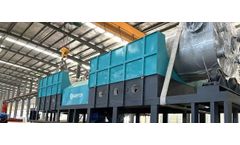
Ideal investment regions include areas with dense timber processing clusters or consistent sawmill output. Proximity to feedstock not only reduces logistics costs but ensures operational continuity. ...
Types of Sawmills Wood Waste Sawmill waste comes in various forms, including: Wood dust: Small wood particles generated during the cutting process. ...
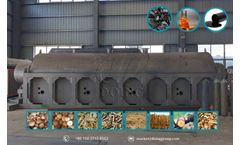
Forestry Waste Forestry waste includes a variety of materials generated from logging, sawmilling and forest management activities: 1. Wood Chips and Sawdust: These by-products of wood processing are ideal for charcoal production due to their high carbon content. 2. ...
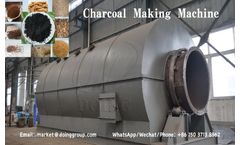
Wood from sustainably managed forests, sawmill waste, coconut shells, palm kernel shells, and other agricultural residues are all potential sources for charcoal production. ...

The raw materials for the bio-oil refinery consist of sawmill by-products and biostem. The annual production capacity of the refinery is 24,000 tons of ...
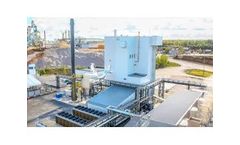
The Swedish joint venture Pyrocell, consisting of the wood industry company Setra and the oil company Preem, will be utilising BTG Bioliquids technology. Construction of the pyrolysis facility has started in 2020 and production in September ...
Charcoal production is a vital industry with diverse applications, ranging from fuel to soil enhancement. Sawdust and wood chips are two primary raw materials for making charcoal, and understanding their properties, benefits, and processing methods is crucial for optimizing production. 1. Understanding Sawdust and Wood Chips Sawdust is a byproduct of woodworking operations, consisting of fine ...

They employ a team of professional foresters and certified timber harvesters that can help harvest both private and public timber lots. Their proven sawmill practices and drying techniques produce some of the finest high quality grade hardwood lumber in the industry. ...
The process typically involves the following steps: Preparation of Raw Material: Waste wood chips are collected from forestry operations, sawmills, or wood processing facilities. The wood chips are sorted, cleaned, and seasoned to remove moisture and impurities, ensuring optimal conversion efficiency. ...

AGRO Energie is an energy supplier in the region around Zürichsee in Switzerland. Forthe permanent expansion of its energy supply network, AGRO has decided to build a 26 MW steam plant fueled by waste wood. The Plant is located in Küssnacht in canton Schwyz. VAS was tasked by AGRO Energie to build that powerplant. This decision emphasizes the trust in VAS and its expertise for ...
Introduction Sawmills play a pivotal role in the timber industry, yet they generate substantial waste that demands efficient management. This article explores the advanced method of wood pyrolysis as a promising avenue for treating sawmill waste, providing both environmental benefits and resource recovery. ...
Nut shells and husks, once dismissed as byproducts, become valuable contributors to the charcoal-making symphony. Forestry Waste The echoes of sawmills and woodworks find a second life in wood charcoal making machines. ...

Related post: wood pellet processing equipment The Pelletization Process The procedure of pelletizing timber begins with the raw materials, which are commonly sourced from sawmills, lumber backyards, and also various other wood handling centers. ...
Biomass may include sawdust from the sawmill, or it can be organic waste all of these might be converted into something that burns up. ...

The Meadow Lake Tribal Council (MLTC)’s new Bioenergy Centre, which will be operational by the end of February, will turn wood waste from the nearby NorSask Forest Products sawmill into electricity, powering around 5,000 homes in Saskatchewan and providing heat and power for a new continuous kiln. ...

It all began in 1979, falling Dutch Elm diseased trees supplying local sawmills for a price of £7 per tonne delivered. From then, we built a sawmill and began to cut and provide timber products, with the installation of our first Biomass fuelled boiler in the late '80s for kiln ...