
Refine by
Scrap Batteries Articles & Analysis
19 articles found
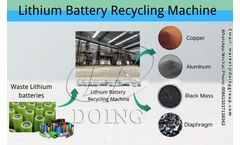
Specifically: Step One: "Black Mass" Production End-of-life lithium-ion batteries and battery manufacturing scrap first undergo the mechanical processing sequence involving discharging, dismantling, crushing, and sorting. ...
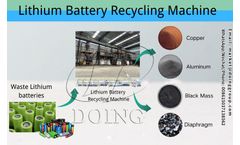
Key Steps for Safe Disposal of Li-ion Batteries: 1. Standardized Collection and Classification Old lithium-ion batteries should be collected separately and not mixed with other waste. ...

Recycling plants are facing a growing challenge: waste streams are becoming more complex, more contaminated, and less predictable. This is particularly true in industrial recycling environments, including lead-acid battery recycling plants, where incoming material often combines metals, plastics, rubber, and non-processable fractions. Traditional mechanical separation and manual sorting alone are ...
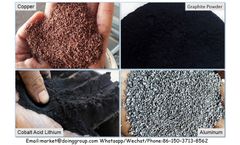
So, what is the value of scrap lithium batteries? We can explore it from multiple angles. Composition and potential value of scrap lithium batteries Waste lithium batteries contain a variety of valuable metal materials, including lithium, cobalt, nickel, aluminum, etc. ...

Faced with an increasing amount of scrap lithium-ion batteries, battery recycling has become a crucial component of environmental protection and resource recovery. ...
This is directly driving an increase in the use of power batteries. This trend portends the first large-scale retirement of EV batteries in the coming years, creating a significant economic opportunity: recycling scrap batteries. EV battery contains a variety of valuable metals and materials. Proper recycling not ...
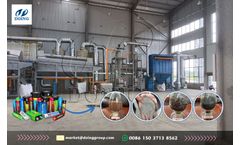
These components can not only reduce resource consumption through recycling and reuse, but also greatly reduce the pollution of scrap lithium batteries to the environment. Through professional recycling equipment and technology, these components in lithium ion batteries can be effectively separated and extracted for reuse: 1. ...
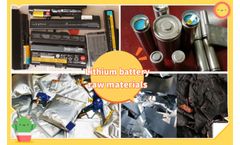
With the rapid development of the global new energy industry, the demand for lithium-ion batteries continues to rise, which also brings about the problem of handling a large number of waste batteries. In fact, waste lithium batteries are a "city mine" with great development value. The high-value metal resources such as lithium, cobalt and nickel inside them can not only create considerable ...
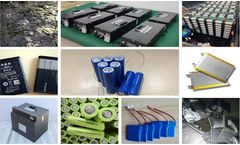
With the strict implementation of environmental regulations and the increasing shortage of battery resources, the importance of lithium battery recycling has become increasingly apparent. Recycling scrap lithium batteries can not only reduce pollution to the environment, but also extract valuable metals such as lithium, cobalt, ...
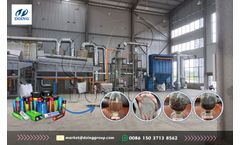
With the explosive growth of India's electric vehicles and energy storage industries, the amount of scrapped lithium batteries is expected to exceed 500,000 tons in 2030, but traditional hydrometallurgical recycling technology is difficult to meet market demand due to high cost, high pollution and complex processes. In response to the pain points of the Indian ...
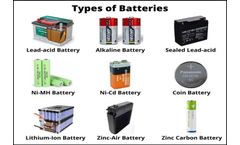
So, how much profit can be made from recycling EV batteries? What materials can be recycled? What materials can be recycled from EV batteries? ...
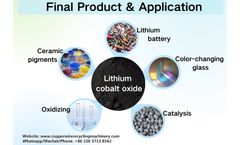
Although the chemical process is complex, the cost is relatively high and the environmental protection requirements are high. 2.Lithium battery recycling machine: In order to meet market demand and improve production efficiency, our company designs and produces lithium battery recycling machine, which can be used for recycling of soft pack ...
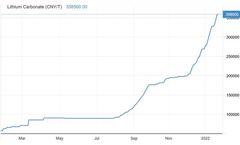
This burden also necessitates recycling. Are Scrap Lithium-Ion Batteries Valuable? Li-ion batteries end their life and are scrapped due to aging, overuse and overcharging. ...

Without a Battery Shredder(battery crusher), the huge market demand for lithium-ion batteries has led to a large number of waste batteries. How to deal with these scrap lithium-ion batteries to reduce their impact on the environment is an urgent problem. ...

This is a generic name for product packaging, biomass trimming, furniture, appliances, paint, wires, batteries, clothing, bottles, food scraps, books and newspapers. Such waste obviously comes from households, schools, shops, businesses, hospitals, factories and construction sites. ...
The waste of every A.T.U branch in Germany and Austria and also parts of the waste from branches in other European countries are disposed and above all recycled in these plants (recycle used tires, paper, shock absorbers, oilfilters, batteries, steel and sheet metal parts etc). A.T.U has been active within the recycling industry for almost 20 years by separating the usable ...
They collect and recycle e.g. ferrous and nonferrous waste, scrap metal, WEEE/electronic waste, batteries and accumulators waste, cardboard, paper, plastics of all types and hazardous waste. ...

Example: Scrap copper recycling, cobalt for battery production Similar tasks: Metal recycling, roast processes, thermal waste disposal When recycling metals - as in scrap copper recycling (mostly cable material) - toxic waste gases often occur. ...

Secondary Lead Processing The secondary production of lead begins with the recovery of old scrap from worn-out, damaged, or obsolete products and with new scrap. The chief source of old scrap is lead-acid batteries; other sources include cable coverings, pipe, sheet, and other lead-bearing metals. ...