
Refine by
Seafood Industry Articles & Analysis
38 articles found
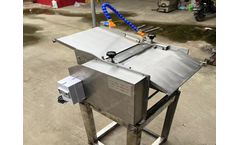
This fish skinning machine is a game-changer for seafood processing, with core advantages that make it the ideal choice for your business. This fish skin removal machine can process 30 to 50 fish per minute. 1. High Efficiency & Labor Savings Replaces manual skinning with fast, continuous operation, drastically boosting production efficiency. Ideal for batch processing of fish fillets, ...

What Are the Main Uses of Chitosan? l Food Industry: Fat-binding supplements, edible coatings, and preservatives. ...
ByMatexcel
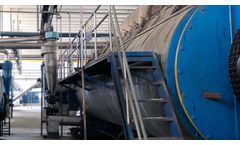
Raw Material Selection and Preparation The first step in fish meal production is selecting the raw materials, which generally include whole fish, fish by-products, and other seafood waste. The raw materials are typically gathered from fishing industries and other seafood processing plants. ...

Whether you are in the personal care, seafood, or health and wellness industry, finding reliable wholesale suppliers is crucial. ...

Raw Material Selection and Preparation The first step in fish meal production is selecting the raw materials, which generally include whole fish, fish by-products, and other seafood waste. The raw materials are typically gathered from fishing industries and other seafood processing plants. ...

Consumers need information about sustainability and nutrient values, as well as provenance, and potential risks and benefits of the products they consume. However, when it comes to seafood consumption, the complexities of health benefits, sustainability, and climate impacts create a daunting landscape for consumers. ...
ByEurofish

The process by which water bodies, enriched by excessive nutrients, experience algal blooms is known as eutrophication. While some algal blooms are harmless, others harm both aquatic life and humans, due to the toxins they produce. Furthermore, after the algae die, they sink to the bottom of the water body, where bacteria and other microorganisms begin decomposing them, consuming oxygen in the ...
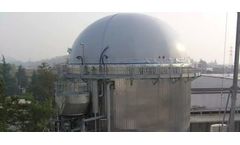
EFC reactors bring many advantages for treating high COD wastewater The external forced circulation (EFC) reactor is a type of anaerobic digester developed by Fluence that is particularly suited for the treatment of high soluble COD wastewater streams like those of: Paper and pulp manufacturing Livestock operations and slaughterhouses Meat and seafood processing and packaging Confectionary ...

They can be used to record temperatures in various industries such as fruits, vegetables, seafood, meat, and medicine. After the trip, a PDF temperature data report can be generated. ...

Falcon Refrigeration excels as a Cold Storage Room manufacturer In Pune, utilizing state-of-the-art technology and the finest materials.Falcon Refrigeration Industry is a Premium Company in manufacturing and installing complete cold Storage room solutions. ...
Due to the unsustainable nature of fisheries catching wild seafood, the aquaculture industry has accounted for most of this increase. Industry growth is also expected in the future as the world’s meat demand continues to rise. ...

Lassen’s secondary market, about one-quarter of their sales, is in the seafood industry. Katie’s Beginnings in Aquaculture Katie Harris grew up on Mt. ...
ByAquasend

In addition, your certificate of completion will serve as proof of your focused approach towards food safety. Seafood HACCP training online An example of a very specific online HACCP training is the program built for manufacturers in the seafood industry and fishery products. As a mandate by the Food and Drug Administration (FDA) of the US, ...
ByFoodDocs

Even with extensive knowledge, the application of HACCP principles can take time especially since the components vary depending on the nature of the food business. A restaurant dealing in the seafood industry with fish and fish products as their main food product will have a different HACCP plan than one in the juice or beverage industry. ...
ByFoodDocs
Learn more about HARPC here. Seafood HACCP training Concerning the requirement of the FDA to establish a HACCP plan for the seafood industry, certification companies offer training courses for seafood HACCP training. Most programs are structured similarly to other HACCP training courses but move toward topics related to ...
ByFoodDocs

In the past, mercury was mostly used in thermometers and electrical devices, but now it can be found elsewhere. Mercury is commonly found in seafood, especially swordfish, shark, and marlin among other species of fish. Why seafood? Past and current industrialization has increased the amount of naturally occurring mercury in the environment. ...

Even goods that contain no actual water can carry a great deal of virtual water “Virtual water” is a concept in use since the 1990s that assumes all of the water required to produce a good remains embedded within the good as it moves along the value chain. With the concept of virtual water, we can say a bowl of completely dry cereal contains all the water that was needed to grow and ...
The Alabama Gulf Coast is well known for supplying quality seafood to consumers around the world. Because of its massive levels of water usage, the seafood processing industry brings with it a need to use water efficiently throughout its ...
Leading the Way: Advanced RAS-Based Installations Dozens of recirculating aquaculture system-based installations are successfully operating around the world, and as seafood industry stakeholders and financial investors increasingly recognize the many significant advantages of recirculating aquaculture systems technology, we are seeing greater demand for these ...
Recirculating Aquaculture Systems: A Model of Sustainability Within the aquaculture industry, Recirculating Aquaculture Systems (RAS) technology enables the most sustainable, safe, controlled and traceable environment for the production of fish and seafood. It creates an environmentally-conscience platform that propels the entire seafood ...