
Refine by
Sediment Runoff Articles & Analysis
72 articles found
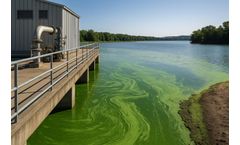
Early recognition hinges on monitoring with parameters described below.HAB Development Stages in ReservoirsStage 1 — Nutrient accumulation: Phosphorus and nitrogen accrue in water and sediments from agricultural runoff, urban runoff, wastewater discharges, and atmospheric deposition, setting the stage for growth.Stage 2 — Thermal stratification: ...

Project Overview Kullu district in Himachal Pradesh lies in a highly sensitive Himalayan terrain where steep slopes, intense monsoon rainfall, and fragile soil conditions frequently lead to erosion, landslides, and slope failures. Infrastructure development, road widening, and changes in natural drainage patterns further increase the vulnerability of hill slopes in this region. To address these ...
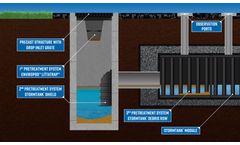
Inspect all observation ports, inflow and outflow connections, and the discharge area. b. Identify and log any sediment and debris accumulation, system backup, or discharge rate changes. c. ...

Along the way, runoff collects sediment, nutrients, oils, heavy metals, trash, and bacteria from roadways, parking lots, rooftops, and industrial sites. ...
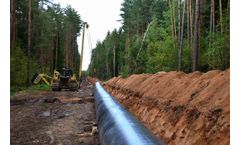
Key Benefits of Hydroseeding for Oil & Gas Industries Hydroseeding offers a cost-effective and environmentally-friendly method to meet stringent environmental regulations, stabilize land disrupted by pipeline projects, drilling operations, and ...

What are the most significant environmental concerns in the construction industry? Key concerns include: • Sediment runoff polluting nearby water bodies • Dust and air pollution from heavy machinery • Hazardous material disposal (e.g., asbestos, lead) • Noise pollution impacting communities 7. ...

Construction projects require erosion and sediment controls – The Clean Water Act (CWA) regulates stormwater discharge to prevent water pollution. 4. ...

For many industries and construction projects, soil erosion is an environmental challenge that is hard to escape. And its impact can have far-reaching consequences. Without erosion control, soil erosion damages ecosystems and poses significant risks to infrastructure, safety, and long-term project success. Let's dive into its causes, effects, and available solutions so your team can implement ...
Dust control for roads is not just about reducing dust emissions— it’s about ensuring safer passage, lowering maintenance costs, and combating environmental impacts. Dust from unpaved roads can cause reduced visibility, unsafe driving conditions, and severe wear on the road surface. With cutting-edge dust control solutions, maintaining road integrity while prioritizing air quality can ...

The hydroseeding process helps stabilize the soil, providing more hospitable environmental conditions for protective plants to establish and grow, which helps prevent runoff. Environmentally-friendly Materials: Hydroseeding uses biodegradable materials like wood-fiber mulch and mulch blends which can support soil health as well as stabilization. ...
Whether you need to stabilize a slope, reduce or control stormwater runoff, or limit excess water at a site, straw blowing can be used to prevent and control these adverse environmental forces from damaging unprotected soil. ...

For instance, an increase in turbidity levels may indicate the presence of pollutants or sediment runoff, signaling the need for remedial measures. Early warning systems based on water quality sensor data can help prevent adverse impacts on human health and the environment. ...

Sources of Turbidity Natural Sources Turbidity can arise from natural sources such as erosion, sediment resuspension, and algal blooms. Runoff from rainfall or snowmelt can carry soil particles into water bodies, increasing turbidity levels. ...
This, in turn, disrupts the entire aquatic food chain. Sediment Transport: Turbidity plays a role in sediment transport within water bodies. ...
Hydroseeding, by comparison, can cover a large area in a short period of time with crops or seeds that germinate quickly and establish root systems to help prevent runoff and erosion in the affected area. A crew of only a few experienced people is needed to complete large-scale hydroseeding jobs. ...
Sediment and storm runoff into nearby waterways are a constant concern during construction projects. If you want to avoid dangerous environmental problems and costly fines, temporary erosion and sediment control techniques are a must. Here are the top five erosion control practices to consider for your next construction ...
Erosion can lead to severe problems during even the best-planned construction projects. Due to environmental damage and land contamination risks, strict regulations require compliance, encouraging companies to choose environmentally friendly erosion control products. While traditional cost-effective solutions may be tempting, the long-term benefits of investing in sustainable options are worth ...

Synopsis: Stormwater runoff can gather pollutants, sediments and garbage that need to be filtered. ...

Access to clean and safe water is a basic human right, but many communities face the challenge of lacking water, resulting in serious health risks, environmental impacts, and economic consequences. According to the United Nations, up to 1 in 4 people does not have access to safe drinking water. Out of those, a significant percent resort to using unsafe water. When water is considered unsafe to ...
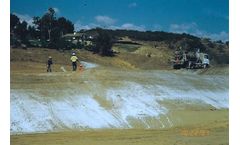
Project managers are looking for ways to prevent sediment runoff which can cause delays and costly problems during construction. ...