
Refine by
Sedimentation Tank Articles & Analysis
171 articles found
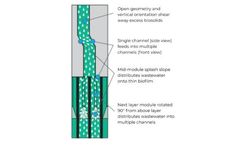
The concentration of suspended substances is reduced by about 80%, which prevents excessive sediment buildup in the equalization tank. After the microfilter step, wastewater is mechanically pretreated and pumped into the equalization tank. ...
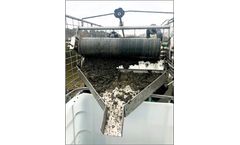
At a recent installation, Smart Storm’s Greasebuster system has been applied to a Primary Sedimentation Tank (PST), a key asset in early-stage treatment. PSTs are designed to slow incoming flows, allowing heavier solids to settle as sludge while lighter materials such as oils and grease rise to the surface for removal. ...
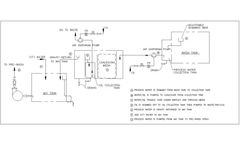
Therefore, it is necessary to continuously return the cleaning tank fluid and/or part of the tank fluid from other stations to the pre-cleaning tank to maintain its pH at approximately 2.0. ...

Wastewater treatment is a complex topic that involves numerous processes, components and equipment that all have the singular goal to turn any liquid into water that can either be reused or returned to the water cycle. There are even a lot of wastewater treatment systems that everyone from households to industries use to meet their wastewater treatment needs. These technologies include the ...

Ghana, formerly known as the “Gold Coast,” has a centuries-long history of gold mining. Today, gold remains a mainstay of Ghana’s economy. However, mining has also caused increasingly serious environmental problems. Mining operations discharge large amounts of silt and toxic substances (especially mercury and cyanide) into rivers, destroying many river ecosystems and rendering ...
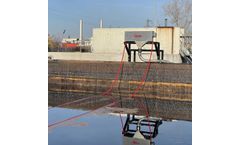
A manufacturer of seed oils has the problem that the process water required for the production process is contaminated with oils at various ...

When biodiesel is poorly made—often referred to as “bad biodiesel”—one of the biggest red flags is a high concentration of glycerine (or ...
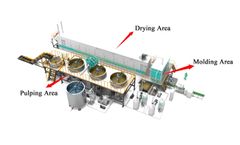
High-speed pulpers disintegrate raw material efficiently, while sedimentation tanks and pulp refiner units of paper pulp molding machine ensure the slurry reaches the desired consistency. ...
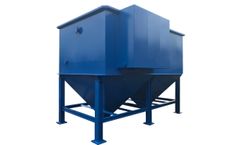
These devices are designed to improve the efficiency of sedimentation and solid separation, allowing for clearer and cleaner water while occupying a smaller footprint than traditional clarifiers. ...
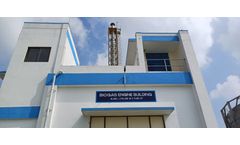
After removing large particles, impurities, and sand particles, the sludge is separated from the treated wastewater in a primary sedimentation tank. It is then sent to the sludge concentrating tank to reduce its water content and transferred to digesters for further treatment. ...

In die casting plants, the molds are sprayed with a high-temperature release agent to ensure that the cast parts can be removed from the mold without any problems. To avoid odors and health hazards, the resulting vapors are extracted. The contaminated air is fed into a wet scrubber. In the wet scrubber, impurities such as dust particles, release agent vapors and oil droplets are washed out of the ...
FRIESS oil skimmers are mainly used in four areas of application. Find out more about the possible applications ...
Oil-free wash water in the sedimentation tank thanks to the specially designed oil skimmer During Bundeswehr tank exercises, the heavy equipment becomes dirtied up, which has to be removed at a washing facility. ...
Wastewater Treatment: Monitoring sludge levels in sedimentation tanks and clarifiers prevents overflows, enables optimization of the removal process and ensures efficient operation/ Automotive Water Recycling: Monitoring sediment build-up in reclaim tanks and grease inceptors at car washes alerts of maintenance requirements and ...
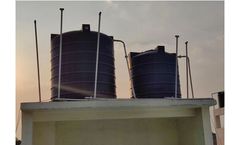
Plastic Water Tanks: Plastic water tanks, usually polyethylene or polypropylene, are ideal for residential use. ...
ByWaltr

Oil sludge pyrolysis plant holds the promise of revolutionizing the treatment of oil tank sludge, a persistent challenge in the petroleum industry. Comprised of a complex mixture of oil, water, and solid sediment, oil tank sludge poses significant environmental and logistical hurdles. ...
Oil sludge pyrolysis plants offer a sustainable solution for managing this waste by converting it into useful commodities such as fuel oil for industrial use or synthetic gas for energy generation. 4. Tank Bottom Sludge Tank bottom sludge accumulates in storage tanks over time, containing a mixture of oil, water, and sediments. ...

Waste Treatment Techniques Such As Biofilters And Sedimentation Tanks Can Remove Solid Particles And Transform Toxic Substances Into Less Harmful Forms. ...

As concerns over water quality and sustainability continue to grow, innovative solutions are essential to address the challenges of wastewater treatment. Among the most advanced and efficient technologies in this field is the Membrane Bioreactor (MBR) system, and Imemflo is at the forefront of revolutionizing water treatment in India through MBR technology. In this article, we explore the ...
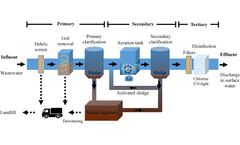
Grit Removal In grit removal chambers, water flow slows down significantly allowing heavier solids like sand, coffee grounds or similar particles to settle out at the bottom – effectively separating these denser substances from lighter organic material which can interfere with biological processes during secondary treatment if left unaddressed. Sedimentation/Clarification ...