
Refine by
Sensor Sorting Articles & Analysis
27 articles found
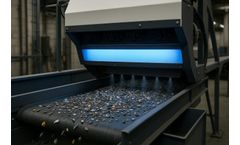
The selection and combination of these sensor types determine the material identification capability of a given installation.Evolution of Sorting TechnologyEarly optical sorting systems relied on visible-spectrum cameras for color-based decisions, adequate for simple glass cullet or paper streams but insufficient for battery material streams ...

Alloy scrap metal prices per ton are a critical benchmark for recycling plant operators, traders, and industrial end users. While global commodity indexes provide reference values, the actual price achieved in real transactions depends heavily on material quality, consistency, and processing efficiency. In modern recycling operations—especially those linked to lead-acid battery ...

Innovations Driving Efficiency in Tire Recycling Innovation is the name of the game in tire recycling. Whether it's using advanced sensor technology to improve sorting efficiency or developing new methods to extract valuable materials from tires, innovation is key to making the recycling process smoother and more effective. ...
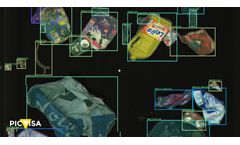
They have discovered that they can leverage artificial intelligence and computer vision to detect, capture and sort waste quickly and accurately. A new generation of robotics, designed to reduce the ecological impact of other robots that are used in industrial activities in factories, will help companies ensure a balance between economic growth, environmental care and social ...
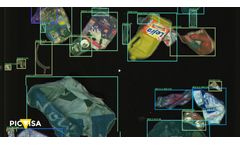
They have discovered that they can leverage artificial intelligence and computer vision to detect, capture and sort waste quickly and accurately.A new generation of robotics, designed to reduce the ecological impact of other robots that are used in industrial activities in factories, will help companies ensure a balance between economic growth, environmental care and social ...

REDWAVE, the world leader in XRF sensor-based sorting technology, proudly introduces a new generation of sorting machines. The cutting-edge REDWAVE XRF fine sorting machine sets new benchmarks for sorting fine materials in the metal recycling industry. ...

From body parts to components and electronics, sensor-based metal sorting systems effectively detect, separate and purify the various non-ferrous metal fractions found in automotive shredder residue (ASR). Achieve higher purity and metal recovery rates with our multifunctional sorting units that remove typical contaminants such as polymers, wood ...

Wires not recovered by traditional eddy current machines can be effectively sorted with electromagnetic sensor-based technology. The upgrading of stripped wires, waste cables and conduit, ensure a high value revenue stream. Our intelligent, sensor-based sorting systems detect copper wire fractions regardless of polymer (PVC, PP, ...

At Environics, we deliver gas mixing technologies based on ultra-precise thermal mass flow controllers (MFCs) and extremely accurate computerization and calibration. This enables us to generate custom and standard solutions for gas flow instrumentation that runs the gamut of commercial and research applications. Here we will offer a breakdown of some of the key market segments that we serve. ...

The company started with sap flow sensors, which monitor water stress on specific plants, and has since developed other technologies to help winegrowers. ...

An innovative approach With a capacity of 100.000 metric tons per year, the SRF facility has not only been producing high-calorific solid recovered fuels since its launch in 2003, but has also recycled around 27.000 tons of scrap metal and 5.000 tons of PET plastic waste using a sorting system positioned after the primary shredders. As a result of the ever increasing ...

The purpose of paper recycling is to produce high quality recycled paper, responding to the high-quality specifications required by paper consumers either from the graphic, hygiene or packaging sectors. In consequence, any collection scheme shall be designed in a way to provide grades of paper for recycling adapted to the requirements of a high value recycling, according to the EN 643 to the ...
For the most part, the sorting was done manually. This sorting process was supposed to be optimised. ...

EVK introduces SQALAR, a high-precision quantitative analysis tool for chemical concentration measurements of bulk material in food, chemical, pharmaceutical and mining ...
Consequently, Feichtinger KG issued a tender request in 2012 for elimination of these contaminants through a sensor-based sorting machine. lt was also necessary to implement the sorting machine directly onto the existing screening machine and thus have minimal influence on the operation. Solution Several successful sorting ...
Within this context we decided to incorporate sensorbased sorting. AT MINERAL PROCESSING: Why did you decide in favor of a new sensor-based sorting plant? ...
Also the mixed aluminium fraction can be further sorted with sensor-based sorting. Let us, before we go into detail on sensor-based sorting technologies take a closer look at the aluminium (Twitch) fraction and especially its composition and origination. ...
Austrian sensor-based separation and sorting equipment specialist REDWAVE has introduced a new sorting system - the REDWAVE XRF - which analyses and evaluates materials according to chemical composition. ...
Requirements The requirements are maximised gain output with the highest purities of 97% of sorted paper grades from waste paper with less than 8% de-inking loss overall. ...
Two high-performance REDWAVE near-infrared paper sorters with combined colour sensors were integrated in 2009. The entire conversion of the system, originally set up in early 2000, was completed in a short period of time (August to November 2009) so sorting operations at the Villach location could be resumed promptly. Materials In the paper recycling industry, ...