
Sequential Sampling Articles & Analysis
18 articles found
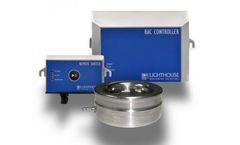
Overview With the release of EU GMP Annex1 and the requirement for continuous microbial monitoring in Grade A and B environments air sampling is firmly in the spotlight. Prior to the release in 2022 of the updated Annex1 which is a European Standard for the Manufacture of Sterile Medicinal Products sequential air sampling was pretty much the norm ...

Here, we performed a follow-up study testing sequential treatment, that is: incubating contaminated samples with the PS along with H2O2, and only then illuminating samples with blue light. ...

ECD’s CA-6 Iron Analyzer is an on-line sequential sampling analyzer. It automatically performs a controlled sequence of sampling, analysis and then results processing is performed and repeated using colorimetric methods with a ferrozine reagent. ...

The landfill leachates collected at 4 sites on November 7, 1996 were filtered through 0.45 and 0.2 µm filters sequentially. All samples were highly toxic to crustaceans and lettuce, but showed a weak or no toxicity to three kinds of test microorganisms.All samples were also found to have no mutagenic activity, but to have high ...

A manifold system includes either 16 or 32 sampling ports with a single line that connects to a particle counter. The manifold sequentially samples from each port, sends the samples to the particle counter, then repeats the process. ...

This requires about 2 or 3 ml of sample depending on the exact cap being used. A fresh disc and a newly sharpened rod are required for each sample to eliminate sample carryover. ...

One of the biggest headaches on site is the purge water and the expense of getting rid of it – after it has itself been analysed for radioactivity. Low flow sampling is helping contain and reduce the problems. On site comparison During on-site comparison trials between bailing and low flow, operators from AMEC ran the sampling sequence for comparison in ...
Bayesian inference via Markov Chain Monte Carlo (MCMC) sampling and sequential Monte Carlo (SMC) sampling are popular methods for uncertainty analysis in hydrological modelling. ...

Sequential sampling enables a programmable volume of air to be sampled over an extended period of time. ...
Fluorescence excitation-emission matrix analyses of water samples and sequential extraction of PRB media suggested the removal of humic substances through the formation of iron–organic complex. ...

In tropical humid tropics of Costa Rica three pesticide regimes were studied: fungicide (low input); fungicide and herbicide (medium input); and fungicide, herbicide and nematicide (high input), under continuous banana cultivation for 5 (young) or 20 (old) years, in three microhabitats: nematicide ring around plants, litter pile of harvested banana, and bare area between litter pile and ...

Compatibility tests were carried out on lateritic soil treated with up to 12% bagasse ash compacted at about 2% wet of their respective optimum moistures using the standard Proctor energy. Samples were sequentially permeated with distilled water and municipal solid waste (MSW) leachate for 22 and 69 days, respectively, until steady flows were established. ...
It consists of a study of mercury mobility and availability in the sludge samples using sequential extraction procedure. High values of total mercury content (2320 ± 40 mg/kg) in the sludge sample as well as in the toxicity characteristic leaching procedure (TCLP) extract (0.46 ± 0.02 mg/l) were obtained. ...
It consists of a study of mercury mobility and availability in the sludge samples using sequential extraction procedure. High values of total mercury content (2320 ± 40 mg/kg) in the sludge sample as well as in the toxicity characteristic leaching procedure (TCLP) extract (0.46 ± 0.02 mg/l) were obtained. ...
The current study aims to investigate the application of the Data Assimilation (DA) in the greater Athens basin, according to the methodology developed within the framework of the Air4EU project. The advanced Sequential Importance Re-sampling (SIR) method was applied in an effort to improve the performance of the regional scale model OFIS. The current study was ...

The distribution and speciation of toxic heavy metals in plating wastewater residues and sludge was investigated for four samples using sequential extraction method. Tessier method was used to fractionate the metal content into exchangeable, acid extractable, reducible and oxidizable fractions. ...
A real-time atmospheric dispersion and dose assessment system (FADAS) has been developed. It has been used as a basic tool to monitor the atmospheric dispersion of released radioactive materials and radiological dose assessment to the national emergency preparedness system, CARE, since 1995. Tracer experiments have been conducted for the purpose of validating FADAS and analysing the environmental ...
The sequentially collected samples are analysed for major ions concentrations and pH estimations. The pH values for all samples vary from 5.1-7.6. In general, the concentration of all rainwater samples decrease with time. Furthermore, it is estimated that the average Ca2+) (1943.0 µeql-1) and SO42- (887.3 µeql-1) ...