
Refine by
Sewage Effluent Articles & Analysis
129 articles found

The five main sources of water pollution are domestic sewage, stormwater runoff, industrial effluents, agricultural runoff, and wastewater from septic ...

Wastewater: Monitoring the flow of raw sewage, treated effluent, and sludge in wastewater treatment plants. Stormwater: Measuring stormwater runoff in urban drainage systems. 2. ...

Chemical dosing Chemical dosing is the process of precisely injecting chemicals into a water system to achieve specific treatment objectives such as disinfection, pH correction, and scale inhibition. ...

Similar is the condition of bacteria in the aeration tank or anaerobic tank of our effluent treatment plant or sewage treatment plant. Bacteria get stressed due to various reasons like flow based shock load, toxicity, etc. ...
Wastewater Treatment Can Help Save Water Wastewater treatment plants (Effluent Treatment Plants & Sewage Treatment Plants) can help to purify water and exclude the current conditions in developing countries. ...

Addressing the Challenges The occurrence of emerging contaminants in waters poses significant challenges: Inadequate Infrastructure: Many African countries face challenges in building and maintaining wastewater treatment facilities, leading to inadequate treatment of sewage and industrial effluents. Limited Resources: The lack of financial and technical ...

Why is overuse of phosphorus problematic, and how can recycling wastewater help address the problem? The world is rapidly approaching a phosphorus crisis, which would have drastic implications for the global food supply because farmers rely heavily on it to enhance agricultural production. The use of phosphate fertilizers, which allows us to produce twice as much food as we could without it, has ...

Water supply resilience in the face of drought and climate change is a key concern for the UK, as it is indeed for the rest of the world. It can be easy to fall into the trap of thinking that the UK won’t face water stress and scarcity issues, thanks to its famously damp climate, but experts have predicted that changes in weather patterns, rising temperatures, greater variability in ...

Sewage treatment plants play a crucial role in maintaining public health and environmental sustainability. ...

Easy to maintain: Water quality EC sensors are usually equipped with advanced sensor technology and sophisticated measurement systems, so they are easy to maintain and can work steadily for a long time.To sum up: Water quality EC sensors are widely used in various types of water bodies, including drinking water, effluent from sewage treatment plants, reservoirs, ...
Wide range of application: Water pH sensor can be applied to various types of water bodies, including drinking water, sewage treatment plant effluent, reservoirs, rivers, etc. Good durability: Water pH sensor adopts durable materials and structural design, can work stably for a long time, not affected by water quality changes. ...
Wide range of application: water quality dissolved oxygen sensor can be applied to various types of water bodies, including drinking water, sewage treatment plant effluent, reservoirs, rivers, etc. Easy to operate: The water dissolved oxygen sensor is easy to operate and can be quickly installed and used on site without complicated equipment and technical ...
Wide range of application: portable water quality sensor can be applied to various types of water bodies, including drinking water, sewage treatment plant effluent, reservoirs, rivers, etc.Portable water quality sensor application:Portable water quality sensors can be used to monitor water quality and provide information about microorganisms, organic matter and ...

From a wastewater perspective, conservation can have its downside with a consequential reduction in sewage quantity, resulting in a higher effluent strength which unless managed well, will generate an environment for increased corrosion, odour and safety issues in the sewer network. ...

The water source for cooling ponds can vary by facility, often including river water or treated sewage effluent. Impurities such as high levels of dissolved solids are removed by discharging a portion of the water, known as blowdown. ...
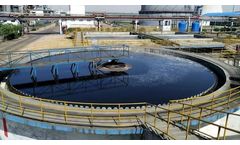
The industrial sewage treatment equipment uses different sewage treatment processes according to the composition of the wastewater. The equipment commonly used in the industry includes integrated sewage treatment equipment, chemical wastewater treatment equipment, buried sewage treatment equipment, evaporators, seawater ...
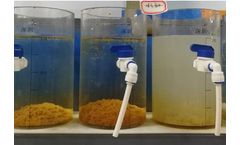
The main purpose of the water plant is to treat urban domestic sewage and a small amount of industrial sewage. In order to make the effluent total phosphorus meet the discharge standard of 0.4ma/l for surface water. ...
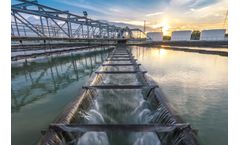
Wastewater, also referred to as sewage, includes water from household or building use (such as toilets, showers, and sinks) that can contain human faecal waste, as well as water from non-household sources (such as rain and industrial use) which for this reason contain organic and inorganic substances that can damage health and the environment. ...
ByYASA ET

Problems with Phosphorus in Wastewater Regulating the discharge of phosphorus from industrial and municipal wastewater treatment plants is a primary factor in averting eutrophication of surface water sources. Phosphorus is one of the key nutrients that contribute to this process in both lakes and natural waters. Its existence has caused major water quality issues such as diminished recreational ...

Sewage, Effluent and other types of Waste Water treated and processed as per clients or pollution control norms form an integral part of our equipment ...