
Refine by
Shell Fruit Articles & Analysis
37 articles found
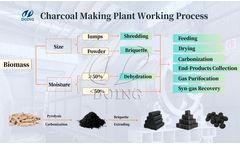
Common biomass feedstocks for charcoal making include wood scraps, sawdust, rice husks, coconut shells, and fruit wood. You should pick different biomass materials based on how you plan to use the charcoal. For making BBQ charcoal, use hard hardwoods like oak, fruitwood, or locust wood. You can also use coconut shells. For biochar that improves ...
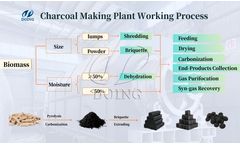
Whether you are dealing with loose materials such as sawdust, fruit shells, or bamboo shavings, or with physically extruded biocoal, our machinery is capable of efficiently processing them through pyrolysis and carbonization. ...
Agricultural waste typically possesses a high moisture content; specifically, freshly harvested crop stalks or fruit husks may contain moisture levels ranging from 30% to 60%. For most agricultural waste, drying pretreatment is required prior to carbonization. ...
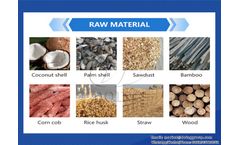
The following are some biomass feedstocks suitable for biochar carbonization&pyrolysis: ① Agricultural Waste Crop Residues: Such as rice straw, wheat straw, corn cobs, corn stalks, rice husks, peanut shells, bean stalks, cotton stalks, etc. Livestock and Poultry Manure: Excrement from farmed animals such as pigs, cattle, chickens, etc. Agricultural Processing Residues: Such ...
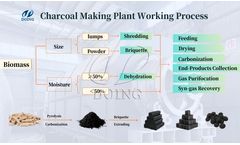
Continuous carbonization machine utilizes automated control systems for continuous feeding and discharging, streamlining operations and accommodating a variety of raw material types, such as coconut shells, bamboo shells, and other fruit shells, rice husks, corn cobs and other agricultural residues, as well as sawdust and ...
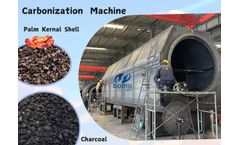
Palm oil is a widely used vegetable oil worldwide, particularly in food processing, cosmetics, and bioenergy. After palm fruit is processed to extract its oil, the empty fruit bunches often become a neglected waste stream. These empty fruit bunches consist primarily of stalks, peels, and some unextracted pulp. ...
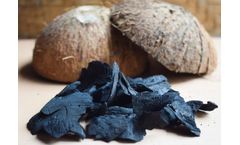
Common Types of Hookah Charcoal Natural coconut shell charcoal is a popular choice for hookah enthusiasts. Made from coconut shells, it uses fewer chemicals during production. ...
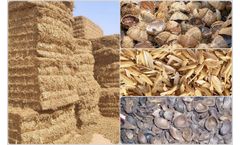
Agricultural Waste Agricultural waste, such as rice husks, corn stover, and fruit shells (such as coconut shells, cashew shells, and palm shells), is also a common choice for biochar production. ...
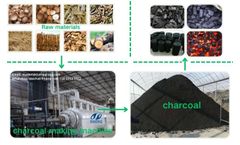
High Resource Utilization: Charcoal maker machine can convert agricultural and forestry waste such as sawdust, fruit shells, and straw into useful energy, achieving a circular biomass resource. 2. ...
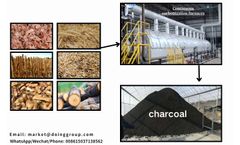
Common raw materials that can be used to produce biochar include various organic wastes such as wood chips, crop straw, fruit shells, livestock and poultry manure, etc. Traditional kiln production Earth kilns and brick kilns are more traditional biochar production machine, suitable for small-scale production. ...

Utilize local biomass resources: The Philippines is rich in agricultural waste (such as coconut shells, bagasse, etc.) and wood resources, which can be used as raw materials for carbonization equipment. ...
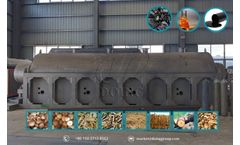
This method is also known as pyrolysis and is applicable to various raw materials for producing biochar or charcoal, including but not limited to wood, fruit shells (such as coconut shells, palm shells), biomass waste (such as corn cobs, rice husks, straw, bamboo), etc. ...
These equipments use advanced pyrolysis technology to pyrolyze various biomass raw materials, such as wood waste, agricultural straw, fruit shells, etc., in an oxygen-free or low-oxygen environment, and convert them into high-quality biomass charcoal, biomass gas and biomass oil. ...
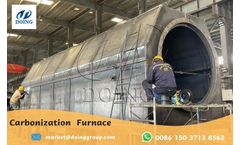
Charcoal is made by heating biomass waste such as wood and fruit shells in an oxygen-deficient or low-oxygen environment. This process is called carbonization. ...
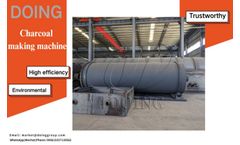
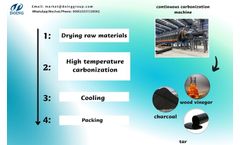
Working process of the continuous carbonization furnace: Raw material preparation: such as wood, fruit shells, rice shells, straw, organic waste, etc., are crushed and dried and then sent to the carbonization furnace. ...
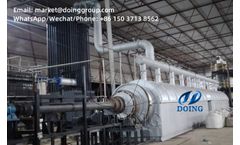
It is suitable for various biomass raw materials, such as straw, corn stalks, sawdust, fruit shells, etc., and shows extremely high adaptability and flexibility. 1.Charcoal : Charcoal is one of the primary products of carbonization equipment. ...
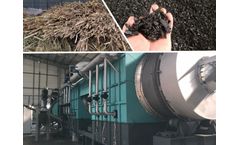
Many biomass materials can be used to make charcoal, like coconut shells, fruit husks, and bagasse, as well as some lesser-known heroes like empty fruit bunch (EFB) and palm shells. ...

Food Processing Waste: A Valuable Resource The Challenge of Food Processing Waste The food processing industry generates a substantial amount of waste, from discarded coconut shells to fruit peels and more. This waste, if not managed properly, can contribute to pollution and resource depletion. ...
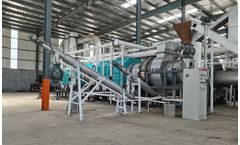
Food Processing Waste: An Environmental Challenge Diverse Types of Waste Generated Organic Residues: Food processing operations generate a wide array of organic waste, including fruit and vegetable peels, shells, and other byproducts. Packaging Materials: The industry also contributes to packaging waste, such as plastics, paper, and cardboard. ...

Cocklebur is a plant native to Southern Europe, Central Asia and China that has spread throughout the world and is often found in wet or sandy areas such as roadside ditches and river banks. Its distinctive fruit, covered with a tough shell and burrs, has been used for centuries in traditional medicine for headaches, nasal congestion, skin pigmentation disorders, ...