
Shock Chlorination Articles & Analysis
11 articles found
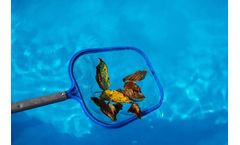
Every homeowner dreams of a shiny and glistening pool. But algae can make that dream a nightmare. Green, black, and yellow algae can make your pools unattractive, posing health hazards. This is the reason why pool algae treatment is of great importance to every pool owner. At Puroxi, we offer efficient solutions to keep your pool water healthy, clean, and ...

Legionella remediations are treatment processes for controlling Legionella in a building water system, generally deployed after routine Legionella testing returns shows systemic positivity or if a case of Legionnaire’s disease is traced back to the facility. Copper-silver ionization is a proven remedial water treatment method backed by hundreds of independent research studies. ...

Periodically flushing pipes at schools with chlorinated water generally is an effective way to stop bacteria formation, but chlorine levels in pipes can drop to zero in only 72 hours due to contact with organic and inorganic compounds in the water systems. Protocols must be regularly observed and must include all fixtures; however, even one school that had been ...

There are several wastewater treatment methods of disinfection available, but the two most commonly used are ultraviolet light and chlorine. Chlorine Disinfection Most are familiar with the use of a chlorine compound to shock treat swimming pools. Chlorine is a toxic agent to biological organisms and kills them ...
There are several wastewater treatment methods of disinfection available, but the two most commonly used are chlorine and ultraviolet light. Chlorine Disinfection Most are familiar with the use of a chlorine compound to shock treat swimming pools. Chlorine is a toxic agent to biological organisms and kills them ...

UV reduces the risk of stress corrosion cracking by removing the root cause – chloramines. The polychromatic emission of medium pressure UV lamps breaks the chlorine-nitrogen bond in chloramine molecules by photolysis. In 1985, twelve people were killed in Uster, Switzerland when the concrete roof of a swimming pool collapsed after only thirteen years of use. The roof was supported by ...

The sensitivity of cysts of two strains of V. vermiformis to three disinfectants frequently used in hot water networks (chlorine, heat shock, peracetic acid (PAA) mixed with hydrogen peroxide (H2O2)) was investigated. ...
Attempts to disinfect both the village and new hand-pumps using shock chlorination were shown to be unsuccessful. These results demonstrate that hand-pumps can act as persistent reservoirs for microbial indicator bacteria. This could potentially influence drinking water quality and bias testing of water quality.Keywords: Bangladesh, chlorination, ...

“You want to have an excess of the DPD there, but in a situation where you have high chlorine, the opposite is occurring you have more chlorine and that oxidizes some of the DPD so that you don’t have more DPD than chlorine. ...
This action has led to increased bather loads beyond the number that existing treatment systems were designed to cope with. As a result combined chlorine levels begin to increase, requiring more chlorine dosing, dilution, backwashing, shock treatments and water disposal, again increasing operational costs. ...

The challenge was clear; find a system that would be safer to manage than gas chlorine, yet yield the same favorable sanitation and water quality results. ...