
Refine by
Shredding System Articles & Analysis
386 articles found

PICVISA, a Barcelona-based machine vision systems company, is leading the charge with advanced textile recycling machine technologies powered by AI and hyperspectral imaging. How Textile Recycling Machines Work Textile recycling requires a chain of specialized machines: automatic sorting systems, shredding machines, and chemical recycling and ...
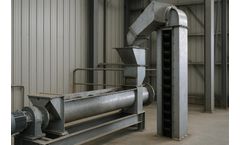
Screw conveyor and bucket elevator systems in battery recycling present distinct engineering challenges. ...
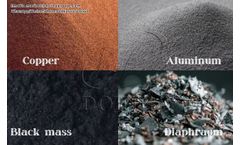
LiPo (Lithium-ion Polymer) batteries shredding & sorting machine is the core equipment for the resource recycling of waste lithium batteries. ...
Ozone medical waste sterilization systems offer a solution that changes the economics of processing. By reducing waste volume with integrated medical waste shredding, processors can accept higher-margin waste streams, lower operating costs, and expand pricing flexibility. ...
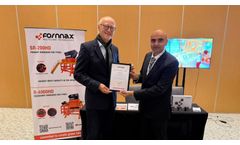
There is great potential to introduce FORNNAX’s innovative systems to more markets across Europe, and I am excited to be part of that ...
Increased attention on sharps exposure, tighter regulatory scrutiny, and the sheer volume of material moving through transfer and treatment operations are pushing processors to prioritize safer, more efficient workflows. By introducing shredding earlier in the workflow with medical waste shredding systems, processors can change how waste is ...
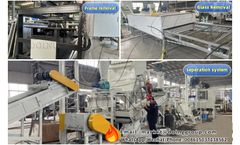
According to the International Energy Agency's (IEA) global supply chain study on solar photovoltaic, the amount of solar panel waste is projected to reach 400,000 to 600,000 tons by 2030 and increase to 11 million to 15 million tons by 2040. This makes it crucial for governments, industries, and stakeholders to implement circular economy strategies to manage these materials. More than 90% of a ...

Project Overview This project is a mechanical pre-treatment system for mixed municipal solid waste (MSW), designed to support the efficient operation of a circulating fluidized bed (CFB) boiler incineration process. ...
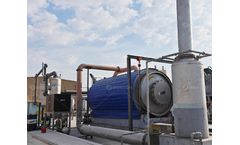
A small scale pyrolysis plant can process these low-value materials, diverting them from incinerators and landfills. Pre-treatment systems such as drying, shredding, and density separation are essential to optimize reactor performance and prevent tar formation. ...

High-toughness material processing: A high-speed (90 RPM) blade system efficiently shreds plastics, leather scraps, and other resilient materials. ...
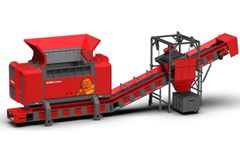
Since its launch, the HARDEN One-Step Shredder has gained rapid recognition across industries—municipal solid waste, industrial scrap, textile waste, and more—thanks to its exceptional adaptability, high throughput, and lower cost-per-ton shredding performance. To demonstrate its capabilities, HARDEN conducted months of machine testing, collecting visualized data from diverse ...

The Zichuan Solid Recovered Fuel (SRF) Plant Project is a mechanical pre-treatment facility for mixed municipal solid waste before incineration. It processes 1,000 tons of waste daily using two-stage shredding and mechanical separation to sort ferrous metals, non-combustibles (e.g., glass, stones, ash), and combustibles. In this project, JONO has implemented its advanced crushing technology to ...
Designed with a daily processing capacity of 1,000 tons, the system utilizes a two-stage shredding and mechanical separation process to efficiently classify and extract different waste components. ...
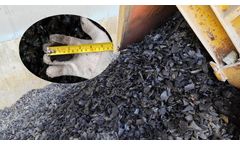
TDF, or Tire-Derived Fuel, is a granular fuel produced by shredding, cleaning, and screening waste tires. High Calorific Value: 25-30 MJ/kg—10%-20% higher than coal. 1 ton of TDF = 1.2 tons of thermal coal. ...
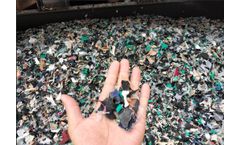
High Calorific Value: In countries with advanced waste sorting systems, the high plastic content can yield a calorific value of 4,000-5,500 kcal/kg. ...
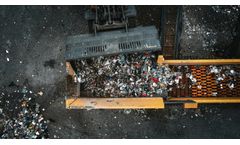
With global waste production projected to reach 3.4 billion tons by 2050, effective waste screening has never been more crucial. The ability to screen recyclables efficiently not only reduces landfill dependency but also enhances sustainability efforts worldwide. Waste screening is a critical process in waste management, involving the screening of waste materials based on particle size to ...
ByTana Oy
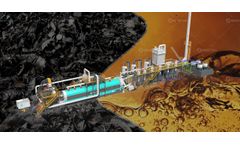
The environmental impact of tire waste has become an increasingly pressing issue due to the sheer volume of tires discarded globally each year. Among various methods for tire recycling, tire pyrolysis and tire shredding stand out as the two most widely adopted techniques. Both processes aim to reduce tire waste, but they differ significantly in terms of their mechanisms, outputs, and potential ...

To combat this, the recycling infrastructure plays a crucial role. Well-established collection systems, efficient recycling plant facilities with innovative sorting and shredding systems must be complemented by state-of-the-art technology. ...
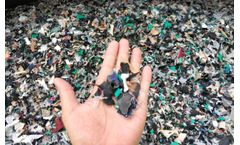
The Technical Difficulties in Waste Textile Reuse There are three main methods to achieve waste textile reuse: Physical recycling, chemical recycling, RDF alternative fuel (energy recovery). Among these, the waste pre-shredding process is the key point. Waste textiles that have not been shredded are often larger in size and irregular in shape, which brings a ...

Barrier Fire Protection, a leading provider of passive fire protection solutions, has elevated its waste management efficiency by investing in a new UNTHA shredder. The company has transitioned from its previous setup to the advanced RS30 shredder. After being established in the 1980s, Barrier Fire Protection rapidly built a reputation for delivering cutting-edge fire protection solutions across ...