
Refine by
Sludge Dewatering Articles & Analysis
471 articles found
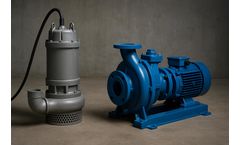
This placement drives priming behavior, suction limitations, solids handling, maintenance accessibility, and overall system design in real world conditions such as slurry handling, dewatering, dredging, mining, and industrial transfers. The comparison below focuses on performance under load, typical application fit, and how system constraints drive the choice. ...
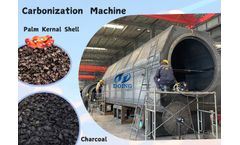
Rich in organic matter and characterized by a stable conversion rate, palm fibers serve as an excellent feedstock for the production of high-quality biochar. 4. Palm Oil Mill Effluent (POME) Sludge The sludge generated by palm oil mill effluent (POME) treatment systems contains a high concentration of organic matter. Once dewatered and dried, ...

Challenge A newly upgraded 500,000 gallon per day wastewater system has a large industry that produces biocides. Biocides are made to disinfect and kill bacteria, viruses, and germs making them toxic to wastewater ...

Field tests showed that Shouxin polyacrylamide achieved a product performance efficiency of 91% under complex operating conditions, far exceeding the 74% of the German brand, thereby resolving the issue of unstable flocculation.Meanwhile, the client's overall operating costs were reduced by over 26%, with costs in the sludge dewatering process decreasing by more ...

The Challenge A large refinery in India faced persistent sludge accumulation in its effluent treatment pits and oily lagoons. Each year, thousands of tons of sludge had to be collected and transported offsite. ...
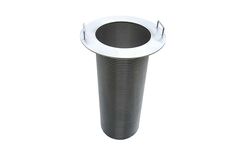
They are used for wastewater pretreatment, sludge dewatering, fruit and vegetable washing, fish processing, pulp recovery in paper mills, and cooling water intake screening. ...

Textile and Dyeing Textile manufacturers use DSM screens to remove lint, threads, and chemical sludge during effluent treatment. 4. Sludge Dewatering In municipal and industrial WWTPs, sieve bend screens act as a pre-dewatering system, reducing the load on centrifuges and belt presses. 5. ...

Tertiary Treatment Filtration: Removes remaining solids through sand filters or pressure filters Disinfection: Chlorination, UV treatment, or ozone is used to kill pathogens Reverse Osmosis (RO) or Ultrafiltration: Used for advanced purification, especially when water reuse is required 5. Sludge Management Sludge Thickening and Dewatering: ...
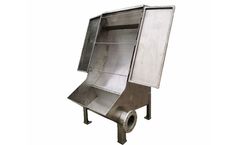
Key Features of Hydro Sieve, Static Screen Filters • Stainless Steel Wedge Wire Construction The static screen filter is crafted from corrosion-resistant stainless steel wedge wire technology, ensuring a long service life even in harsh environments like effluent screening or sludge dewatering. • Non-Clogging and Self-Cleaning Design The V-shaped vee ...
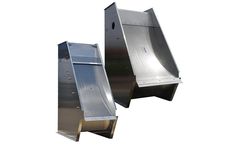
This non-clogging design is especially suited for applications where reliability and low maintenance are critical, such as municipal wastewater screening, industrial sludge thickening, and primary sewage treatment. Key Benefits of Hydro Sieve, Static Screen Filters • Energy-Free Operation: Since they rely solely on gravity, static screen wastewater filters reduce operational ...
These rotary drum trommel screen systems feature high-capacity, energy-efficient performance, whether for sludge dewatering, industrial effluent pretreatment, or fine screening. ...
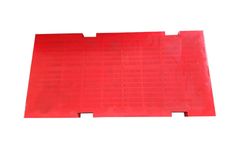
A polyurethane dewatering screen panel is a modular component in high-frequency vibrating screens. ...
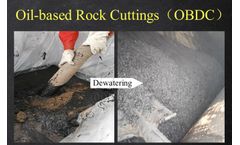
Despite the many benefits of oil sludge utilization, significant challenges such as cost remain. Oil sludge can be used as fuel, and this is mainly achieved through the following methods: 1. ...
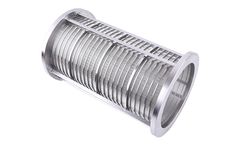
The wedge wire screw press screen basket is an essential component contributing to high-performance dewatering processes, used in modern wastewater treatment and sludge management systems. The screw press screen basket is engineered for sludge dewatering, providing long-lasting performance in even the most demanding industrial ...
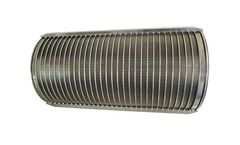
The screw press wedge wire screen cylinder is designed for modern industrial dewatering and filtration systems. The screw press screen can achieve efficient solid-liquid separation for wastewater treatment, food processing, and pulp manufacturing. ...
Key Applications of Wedge Wire Screens in Water Treatment Our wedge wire screens play a significant role in numerous industrial water treatment processes, including: Ion Exchange Municipal Water Intake Sewage Treatment Solids Dewatering Waste Separation Sludge Treatment Fish Protection Barriers Seawater Desalination These applications highlight the versatility ...

Water and Wastewater Treatment Influent and Effluent Monitoring: Accurate measurement of raw water inflow and treated water outflow in treatment plants. Sludge Flow Measurement: Monitoring the flow of sludge during sedimentation and dewatering processes. ...
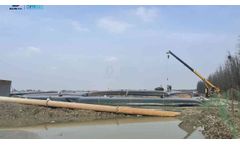
Moreover, geotubes are also applied in the process of sludge dewatering. The geotube dewatering technique offers an efficient way to separate water from sludge, which is beneficial in wastewater treatment and other industrial processes. This not only helps in the proper disposal of sludge but also in the recovery ...
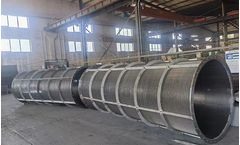
The fine mesh of the wedge wire screen ensures the capture of even small particles, providing cleaner effluent for further treatment. 3. Sewage Sludge Treatment The wedge wire trommel plays a vital role in the dewatering and filtration of sludge in sewage treatment. ...
Summary This study aims to evaluate the on-site impacts of Qwik-Zyme D, a product by Aquafix, Inc., in an aerobic digester at the Columbus, WI Wastewater Treatment Facility. Qwik-Zyme D is formulated to enhance the degradation of hard-to-degrade organic compounds and has shown promising results in boosting solids reduction in various field applications. Over a 12-week period (April 28 2024 ...