
Refine by
Sludge Digestion Process Articles & Analysis
43 articles found

Wastewater treatment is a complex topic that involves numerous processes, components and equipment that all have the singular goal to turn any liquid into water that can either be reused or returned to the water cycle. There are even a lot of wastewater treatment systems that everyone from households to industries use to meet their wastewater treatment needs. These technologies include the ...

The installation and commissioning of a sewage sludge treatment plant is a complex and critical process that directly affects the efficiency of sewage treatment and environmental protection. ...

Wastewater treatment plants are constantly facing the battle of reducing sludge while trying to keep the cost of energy down. The city of Meridian, Mississippi, which operates two wastewater treatment plants, used to fall into this category until it was introduced to the Sewper Rx, a patented bio-augmentation process designed to reduce noxious odor and organic sludge build-up, while improving ...
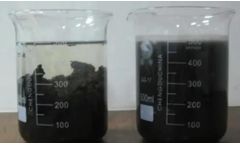
Sludge is the product of sewage treatment, and heterogeneous body composed of organic debris, bacterial cells, inorganic particles, colloids, etc. What is in wastewater sludge? Sludge is the product of wastewater treatment, which is an extremely complex heterogeneous body composed of organic debris, bacterial cells, inorganic particles, colloids, etc. Therefore, it is extremely important to ...

Sludge Treatment Process The sludge treatment process incorporates these four stages: 1. ...
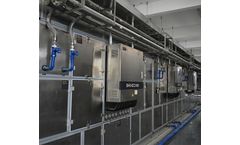
Step 2 – Sludge Digestion After amassing all the solids from the sewage sludge begins the sludge digestion process. ...
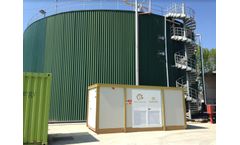
In municipal wastewater treatment plants, where large quantities of wastewater are treated and purified every day, anaerobic digestion is a key process for the sustainable reuse of stabilised sludge and its valorisation for energy purposes. ...
The streamlined, patented two-stage Neutralizer® system treats waste activated sludge and produces Class A residuals for unrestricted land application in just a matter of hours. Long-Term Success: 43% reduction in annual operating costs for biosolids treatment and disposition 92% decrease in energy costs associated with biosolids treatment Odor-free residuals Enhanced ...
Having a capacity to treat 110 million litres of sewage per day, it was built with the objective of treating municipal waste water so that the quality of discharged water adheres to the statutory discharge norms. The treatment process is based on activated sludge process with anaerobic sludge digestion and sewage ...
The ISAM™ SBR did not require the construction of a primary or secondary clarifier or a sludge digester. Therefore, the costs associated with the construction, interconnecting pipework, pipes and valves that are a part of having separate tanks for these processes is eliminated. ...
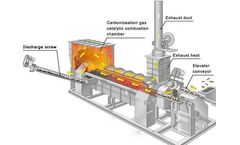
Digestion After every one of the solids in the sludge continues to be collected ahead, the sludge digestion process may start. ...
In 1995 Cambi built its first full-scale thermal hydrolysis installation at HIAS as part of a new sludge treatment process including hydrolysis, digestion and dewatering. It has since been in successful operation. The sludge treatment process has a capacity of 3,600 tonnes/year dry solids (DS) at 16% DS of raw ...

This project was initiated to evaluate the effect of alternative process temperatures to 38 °C at the anaerobic digestion step in a Swedish wastewater treatment plant (WWTP) treating mixed sludge. ...
In this study, the effects of the combination of acid hydrolysis and Donnan dialysis on the high-quality struvite production from digested sewage sludge were examined. The Box–Behnken design was applied in the hydrolysis using oxalic acid for the optimization of the conditions that affect the nutrients and metal release from digested sludge. An optimal condition was obtained at oxalic acid ...

A system was installed in two duplicate Anaerobic Digesters processing waste activated sludge. A pre-treatment step was added to one of the reactors, and the differences between the systems were analyzed using a SENTRY system installed in each. ...
Scientists can control and adjusting the natural processes that occur between the water and the introduced organisms to effectively clean water. Secondary Water Treatment The biological water treatment solution is typical used as a secondary water treatment process, meaning that it is a more advanced cleaning system used after a primary treatment, or the ...
But these facilities are actually processing a great deal of value every day. Sludge, a byproduct of wastewater treatment, turns out to be an entity worth cherishing. ...
Accelerated release of potassium (K), magnesium (Mg) and phosphorus (P) from surplus activated sludge (SAS) was investigated to develop a new system for the recovery of the elements. ...
This conference contribution will present a novel technology for renewable ash-free fuel production from low-value ash-containing feedstocks such as sludge digestate, wood bark or rice husks that cannot be utilized directly as a heating fuel, because of the high (low melting point) ash content. ...
This process generates short SRT activated sludge stream, which should be highly degradable. However, the evaluation of anaerobic digestion of short SRT sludge has been limited. This paper assesses anaerobic digestion of short SRT sludge digestion derived from meat ...