
Sludge Process Heating Articles & Analysis
8 articles found

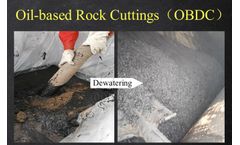
However, a newer technology — thermal desorption — offers a promising solution to not only safely treat oil sludge but also turn it into a potential source of profit. Thermal desorption, a process that uses heat to separate hydrocarbons from the sludge, produces two valuable outputs: cleaned, reusable solids and a ...
The heat released during the combustion process can be used to generate steam, which in turn can be used for power generation or heating. ...
Oil sludge, a by-product of petroleum extraction and refining processes, poses significant environmental and economic challenges. ...
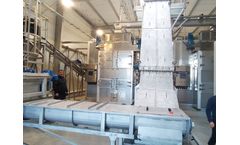
In the process of sludge heating and drying, volatile organic compounds will be produced, which will be dissolved in the condensate along with the condensation of water vapor in the exhaust gas, so that the wastewater contains a small amount of pollutants such as COD, BOD and ammonia nitrogen. ...

Sludge drying and incineration can not only make full use of the heat in the sludge to reduce the volume of the sludge to the greatest extent, but also kill all germs and pathogens during the incineration process, and at the same time the toxic and harmful organic residues can be oxidized and decomposed in this ...

Temperature-phased anaerobic digestion with a 50–70 °C pre-treatment is widely proposed for sludge. Here, such a sludge pre-treatment (65 °C) was studied against the physical, enzymatic and biodegradation processes. ...
This paper asks how much heat could be recovered from wastewater treatment plants under UK climatic conditions, and can this heat be used effectively to reduce their carbon footprint? ...

Project No. 1 Industrial Boiler Application A FLU-ACE waste heat recovery system installed to process all flue gases from three boilers. ...