
Refine by
Sludge Separator Articles & Analysis
117 articles found
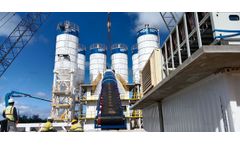
It is essential.The settling tanks produce sludge. The sludge contains cement, fine aggregates, and water. It is not waste. It can be reused. A sludge press or filter press separates the solids from the remaining water. ...
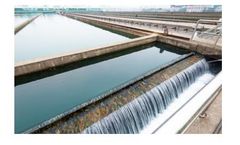
The Struggle: While many plants are moving toward energy neutrality by harvesting methane from sludge to generate their own power, retrofitting these systems is expensive and technically complex. 4. Sludge Management When you separate the clean water from the waste, you are left with a semi-solid byproduct called sludge. ...

The oil and gas industry has been grappling with the issue of oil sludge disposal for decades. Oil sludge, a byproduct of crude oil production, contains high levels of hydrocarbons and toxic materials, making it both an environmental and economic challenge. ...
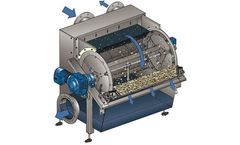
Externally Fed Rotary Drum Screen: An Efficient and Reliable Screening Solution for Wastewater Treatment Externally Fed Rotary Drum Screens are a highly effective technology that separates solids from liquids, ensuring cleaner effluent and protecting downstream equipment. ...
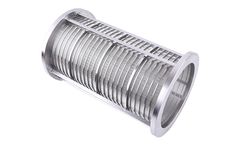
Installed in screw press dewatering equipment, it plays a key role in separating water from solids during sludge processing. The wedge wire profile allows for excellent resistance to clogging while maintaining high flow rates. ...
Our wedge wire products are trusted by industries worldwide for their ability to enhance filtration, separation, and flow control, all of which are essential for maintaining sustainable water management systems. ...
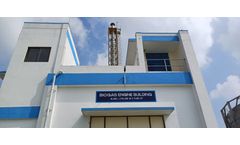
After removing large particles, impurities, and sand particles, the sludge is separated from the treated wastewater in a primary sedimentation tank. It is then sent to the sludge concentrating tank to reduce its water content and transferred to digesters for further treatment. In this stage the anaerobic digestion AD takes place to decompose the ...
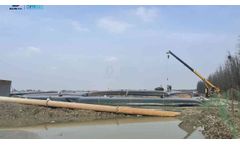
Moreover, geotubes are also applied in the process of sludge dewatering. The geotube dewatering technique offers an efficient way to separate water from sludge, which is beneficial in wastewater treatment and other industrial processes. This not only helps in the proper disposal of sludge but also in the recovery of water ...

A hot die casting company sprays a special high temperature release oil into their molds to facilitate removal of the finished injection molded parts. This mold release oil has an odor and produces smoke, which is exhausted to a special water curtain air filter. Dust particles and airborne oil particles are removed by the water curtain, which falls into a holding tank, where they coagulate and ...

EKOGRID™ technology was used to remediate hydrocarbon impacted sludge in a former sewage lagoon in Canada. Contaminants of concern were mainly petroleum hydrocarbons (BTEX/TPH). The area remediated was approximately 7500m2 with a total volume of over 15.000 m3 of sludge remediated. Petroleum hydrocarbons levels prior to remediation were up to 23.000 mg/kg. ...
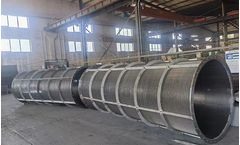
The stainless steel construction ensures resistance to corrosion and long-term durability in challenging environments. 2. Industrial Liquid-Solid Separation Industrial processes often produce wastewater laden with solids. ...
Water: Typically bound within the sludge, requiring separation for effective processing. Solids: Comprising sand, silt, and other particulate matter. ...
Previously expensive, pyrolysis plants have become a profitable way to extract valuable resources from various waste streams, including: Plastic waste Rubber waste Oil sludge Oil Sludge Pyrolysis: A Green Approach to Recovering Oil An oil sludge pyrolysis plant offers an environmentally friendly way to recover oil from waste. Here's how it ...
Thermal desorption units offer an effective solution for treating contaminated soils by thermally desorbing the hydrocarbons, leaving behind clean soil that can be returned to the environment or repurposed for construction projects. 3. Tank Bottom Sludge: Tank bottom sludge, generated from oil storage tanks and refinery processes, contains a mixture of ...
Screening Neutralization Sedimentation Equalization Coagulation & Flocculation Dissolved Air Flotation (DAF) --Secondary treament Secondary Treatment degrades soluble compounds aerobically where they may be pre-treated anaerobically according to the industry. Activated Sludge Tanks (AST) Membrane Bio Reactors (MBR) Rotating Biological Contactors (RBC) Expended Granular ...

The primary goal of the multi disc screw press is to separate the liquid from the solid components of the sludge, reducing its volume and making it easier to manage and dispose of. ...
**Separation**: As the material moves through the screw press separator, the solids are gradually separated from the liquid phase. ...
A screw press separator is a mechanical device used in various industries to separate liquids from solids or to separate different components of a mixture. ...
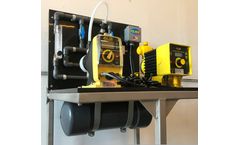
Chemical feed stations typically use synthetic organic polymers for the flocculation process. Sludge Conditioning and Stabilization The coagulant and flocculant chemicals also help to condition sludge. These chemicals give off electrostatic charges that join together separate sludge particles. By joining together, the ...
How Does A Pyrolysis Plant Assist To Treat Oil Sludge Oil sludge is caused by by-products a result of oil refineries and drilling. Also, it is made up of oil and water. Oil sludge pyrolysis plants aid in separating the water and oil sludge out from the oil, to create the oil usable again. ...