
Soil Amendment Material Articles & Analysis
13 articles found

The Process of Wood Pyrolysis Wood pyrolysis is a thermochemical process in which organic material, particularly wood, is subjected to high temperatures in an oxygen-deprived environment. ...

For industrial parks, treatment solutions can transform wastewater from a liability into a valuable resource For decades, industrial parks have looked at wastewater treatment as just another unavoidable expense, a by-product of manufacturing to be managed, regulated, and disposed of. But that mindset is changing quickly. With growing water scarcity, increasing environmental pressures, and a ...
This process transforms the rice hulls into biochar, a stable form of carbon that can be used in a variety of applications, including as a soil amendment. The result is a lightweight, porous material that retains moisture, improves soil aeration, and increases nutrient-holding capacity, making it a potential ally for farmers and ...
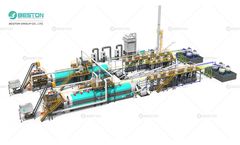
The process involves indirect heat application, where waste material is heated in a sealed environment to temperatures typically ranging from 200°C to 600°C. ...

There are many raw materials for soil amendment, which make their composition very complicated. ...
Biochar, a carbon-rich material, serves as a soil amendment, enhancing soil fertility and carbon sequestration. ...
Additionally, exploring alternative feedstock sources, such as post-consumer plastics and agricultural residues, can further mitigate the reliance on virgin materials and contribute to a circular economy framework. In addition to emissions management, proper waste handling and disposal are integral aspects of ensuring environmental sustainability in plastic pyrolysis machine ...
At its core, the plastic to fuel machine operates on the principle of pyrolysis, a thermochemical process wherein plastic materials undergo decomposition in the absence of oxygen, yielding a spectrum of end products. ...
Pyrolysis is a thermochemical decomposition process that breaks down organic materials at elevated temperatures in the absence of oxygen. This process holds immense potential for plastic recycling, as it allows for the conversion of plastic waste into valuable products like pyrolysis oil, char, and synthesis gas.Energy Efficiency One of the primary advantages of utilizing plastic ...

In particular situations (e.g. when loaded with ammonia and phosphorus) the spent zeolite can be used as a soil amender material and slow release fertilizer. This, according to a collaborative review carried out by the University of Delaware, Department of Civil Engineering and Western University of London, Department of Chemical and Biochemical ...

Not being chemists but being aware of the inherent difficulty of dealing with hydrogen we first set about providing the client with permeability test certificates from a credible laboratory so they could assure themselves as to our materials suitability. We were pleased to discover that this was achievable with no complicated modifications required to our existing system. ...

A comprehensive laboratory and field–scale study was performed to explore the efficacies of geomembrane, amended soil liner material and composite liner packs for using as containment liner systems for attenuating chromium transport emanating from a chrome laden solid waste disposal site. Soil samples were collected from the site ...

This material is then considered a residual waste under Pennsylvania Department of Environmental Protection Regulations. SRG permits the residual material and utilizes the material as a soil amendment,PA_Amer_stored recovering the sediments and organic matter to improve the soil’s tilth. ...