
Refine by
Soil Blending Articles & Analysis
27 articles found
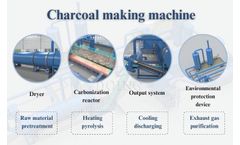
This type of biochar is often preferred for agricultural use, especially for soil improvement and compost blending, where interaction with microorganisms is important. ②Medium-Temperature Biochar This is the most common choice for commercial biochar production. ...

An important consideration is that paper mulches generally don’t retain moisture as well as wood and wood-fiber mulches, so if the area has erosion, irrigation, or runoff issues, paper mulch may not be the best choice. BLENDED MULCH As its name implies, blended mulches are mixtures of different types of mulches (such as paper/wood-fiber ...
Other ingredients in the hydroseeding mixture can include: fertilizer, tackifiers (soil stabilizers), soil amendments, mulch, and other additives. Hydroseeding is especially effective for erosion control, soil stabilization, and landscaping projects. ...

From Intuition to Insight: Soil Sensors Unmask the Hidden World: Soil is a vibrant, dynamic ecosystem teeming with microorganisms, organic matter, and minerals. ...
ByJXCT
From Intuition to Insight: Soil Sensors Unmask the Hidden World: Soil is a vibrant, dynamic ecosystem teeming with microorganisms, organic matter, and minerals. ...
ByJXCT
Selecting the right product for ex situ petroleum bioremediation comes down to usability factors. Both Petrox and Custom Blend products quickly degrade petreleum in soil. The average petrolem removal rate for Petrox bioremediation is 68 mg/kg/day. The average removal rate for Custom Blend is 1,315 mg/kg/day. The actual field results can vary ...

Bagging Bark - RMGroup’s automated packaging turnkey solution upscales Scotbark’s production . RMGroup has recently installed a fully automated packaging system at Scotbark, a Scottish bark manufacturer and landscape supplies specialist. The investment is due to a significant increase in demand for soils, barks and related products and will enable the firm to upscale production and ...

Summary BioLogix bioremediation is used to remediate petroleum contamination in soil and ground water under many different conditions. From surface spills to deep soil and groundwater contamination, Custom Blend bioremediation has successfully removed the contamination and environmental risk. While every site is unique, the following case studies ...

After the sludge is dried, in-depth treatment to achieve the closed loop of its environmental protection treatment is called sludge treatment, such as dry sludge blending, soil for building materials, etc. Advantages of Sludge Drying at Low Temperature Sludge evaporation and dehydration drying is divided into high temperature drying and low temperature drying. ...
Custom Blend bioremediation is used to remediate petroleum contamination in soil and ground water under many different conditions. From surface spills to deep soil and ground water contamination, Custom Blend bioremediation has successfully removed the contamination and environmental risk. While every site is unique, the ...

Material blowers are versatile machines capable of increasing productivity by up to 700% and reducing material costs between 20% to 40%. For small- to medium-sized landscaping companies, material blowers can lead to increased business with higher profit margins by reducing labor hours and material costs per jobs. Not all materials blowers are the same. The size of the unit determines the type of ...
With the global population expected to reach nearly 10 billion by mid-century, nourishing your soil to meet this demand is increasingly essential to what you do. How often does crop nutrient uptake and removal inform your soil management practices and fertility strategies? ...
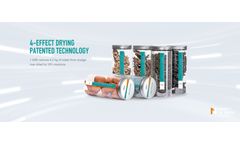
After the sludge is dried, in-depth treatment to achieve the closed loop of its environmental protection treatment is called sludge treatment, such as dry sludge blending, soil for building materials, etc. Advantages of sludge drying at low temperature: Sludge evaporation and dehydration drying is divided into high temperature drying and low temperature drying. ...

Soil stabilization is a method of improving the strength properties of soil by combining and mixing other materials. Soil in itself is a blend of minerals, organic matter, gases, liquids, and organisms that together support life on our planet, Earth. By increasing the strength of soil through ...

The mill impacts and shreds the soil, while blending a treatment solution (chemical, biological, or both), along with air and moisture, into the soil using a method that is proprietary to EarthWorks Environmental. The contaminant molecules in the soil are already being degraded or neutralized by the time the soil ...
Historically, SOIL has used a blend of sugar cane husk and peanut shells as the carbon cover material, but – especially as many local sugar and rum companies start to use the byproduct to power their operations – the supply is ultimately limited. ...
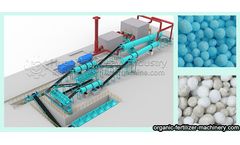
Because it is a secondary process of basic fertilizer, there is almost no environmental pollution problem. 2. Bulk blending method According to the requirement of nutrient distribution ratio, mixed fertilizers with uniform nutrient distribution were prepared from various solid basic fertilizers of nitrogen, phosphorus and potassium without obvious chemical reaction, with ...
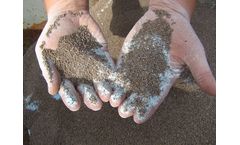
How it is used as a soil conditioner to enhance plant growth for agriculture/horticulture ...
It is resistant to biological and chemical destruction and extraction from soil. CL Solutions Custom Blend microbes, however, have successfully remediated benzo(a)pyrene and other PAHs in soil during ex situ land farming treatment. By placing the contaminated material in windrows, controlling the temperature and moisture, the addition of Custom ...

Commodity cleaners are products that are made from a single chemical, targeting a specific type of soil. Formulated cleaners are blends of various chemical ingredients designed to work together to remove various types of soils. By blending chemicals together to produce formulated cleaners, the end result is a product that can ...