
Refine by
Soil Cleaning Articles & Analysis
120 articles found
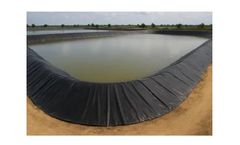
The analysis emphasizes material properties, lifecycle performance, and supply-chain capabilities essential for projects spanning hundreds to tens of thousands of square meters.Commercial-Grade Aquaculture: Shrimp Farms in the PhilippinesProject Scenario: A large-scale shrimp farming project in the Philippines.Optimal Solution Assessment: For tropical climates, high-quality HDPE geomembranes ...
Project Details: Legacy wellsite and remote sump remediation, Site impacts a result of historical drilling operations, Site located on First Nations land located near Waterton Lakes National Park in Southwest Alberta, Remedial activities consisted of site preparation, soil handling and thermal soil ...

Beyond planting, modern environmental engineering leverages geomembranes to protect soil, water resources, and ecosystems. Geomembranes function as an isolation layer by covering contaminated soil with an impermeable membrane and then topping with clean planting soil, creating an artificial safe zone for roots. ...
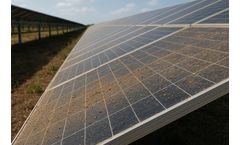
This creates a mismatch: modules accumulate soiling while sensors start from a clean state, and the sensors do not share the same exposure history, making their data unreliable for quantifying soiling losses during capacity testing. ...

Utilising RemScan Technology for Effective Contamination Management The Kuwait Environmental Remediation Program (KERP) is a significant initiative led by the United Nations Compensation Commission (UNCC), Kuwait National Focal Point (KNFP), and Kuwait Oil Company (KOC). This program aims to address the extensive environmental damage from the Gulf War, focusing on both environmental and ...

Approach: Site soil and groundwater were impacted with a variety of VOCs and non-standard SVOCs. Thermal Conduction Heating (TCH) was used to treat a targeted zone from 3 to approximately 28 feet below ground ...

The EKOGRID in-situ soil remediation project at a former oil above-the-ground storage tank (AST) site in Finland is a successful evidence of a cost-efficient and environment-friendly way of cleaning up abandoned storage tank sites. After completion of the EKOGRID in-situ remediation, the need for excavation, dump and replacement soil was reduced ...

Whether you’re drinking tap water or well water, its quality needs to be monitored regularly. With tap water, the city or local government regularly tests for contaminants like petroleum, heavy metals and other pollutants. However, private water well testing is left up to the ...

Some standard methods used in environmental remediation include:Groundwater Pumping and Treatment: Environmental engineers use a vacuum pump to draw out contaminated water and treat it using methods such as carbon absorption, biological treatment, and air stripping[2].Soil Remediation: Environmental technicians employ techniques like incineration, thermal desorption, and ...

Secondary Environmental Impacts Beyond greenhouse gas emissions, landfilling and incineration can have secondary environmental impacts such as soil and water contamination, air pollution, and habitat destruction. ...
To better understand the benefits and applications of pyrolysis technology, let's take a closer look at the valuable products it generates: Product Applications Biochar - Soil amendment, carbon sequestration, water filtration Bio-oil- Alternative fuel, chemical feedstock Syngas - Power generation, heating, production of hydrogen and synthetic fuels This table showcases the ...
Thermal desorption units offer an effective solution for treating contaminated soils by thermally desorbing the hydrocarbons, leaving behind clean soil that can be returned to the environment or repurposed for construction projects. 3. ...
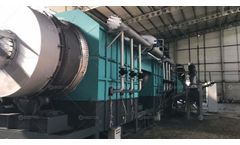
The controlled heating of biomass results in the production of biochar, a valuable soil amendment, and syngas, a clean energy source. Benefits of Charcoal as an End Product 1. Agricultural Applications of Biochar Biochar, a carbon-rich product of the charcoal-making process, finds valuable applications in agriculture. Its porous structure enhances ...
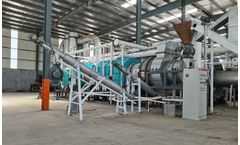
Biochar is a powerful soil conditioner that enhances soil fertility through a process known as carbon sequestration. ...

A unique advantage of these technologies is that both ETC and Tech Zero are engineered to recycle the petroleum from the impacted soil to fuel the remediation process. The petroleum-impacted soil essentially cleans itself with Iron Creek’s design which is beneficial for fuel cost reduction and the sustainability of the treatment process. ...

Once land farming practices have sundowned, oil companies have opportunities to remediate the contaminated land, restoring the health of the soil so it can be safely reused. The restored brownfield area creates a new space for revenue-generating activities, such as building new centers for alternative fuel research. Two Solutions to Streamline the Adoption of ESG Practices ...
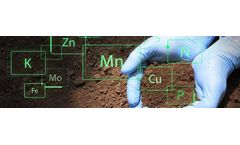
According to the EPA: “Productive soils, a favorable climate, and clean and abundant water resources are all essential for growing crops, raising livestock, and for ecosystems to continue to provide the critical provisioning services that humans ...

Introduction Bioremediation is the use of microorganisms, or their enzymes to clean up environmental pollutants. It is a sustainable and cost-effective approach to clean up contaminated soil, water, and air. ...
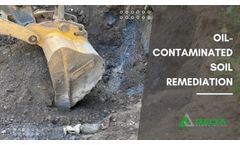
Oil contamination of soil is a widespread problem that can have serious environmental and health impacts. ...
There are a number of variables that can prevent 100% soil remediation such as soil type, water table levels and soil moisture.When soil samples from the treatment area show sufficient treatment, the process starts over by moving the in situ operation to an adjacent area to restore the soil. ...