
Refine by
Soil Pollution Articles & Analysis
379 articles found

Disposing of oil sludge improperly can lead to severe environmental contamination, including soil and water pollution. However, the emergence of advanced technologies such as the oil sludge pyrolysis plant has provided an effective solution for the conversion of this hazardous waste into valuable energy resources. ...
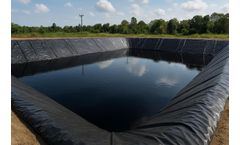
Oil handling and storage infrastructure demands reliable containment to prevent hydrocarbon leakage, soil contamination, and groundwater pollution. For the Oil Pit Project in Agartala, Tripura, a dual-layer HDPE geomembrane system with 1000 micron and 1500 micron liners was implemented to provide primary and secondary containment.Project OverviewProject Name: Oil ...
A study published in Nature demonstrated that biochar-amended soil not only increases soil carbon storage but also further sorbs atmospheric CO₂, with calcium and magnesium in biochar reacting with CO₂ to form stable inorganic carbonate minerals. ...
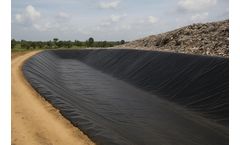
The project upgrades the site with a composite seepage barrier based on EarthShield geomembranes to isolate pollution sources and safeguard local agriculture and water resources.Project OverviewThe core barrier consisted of 50,000 square meters of 1.5 mm EarthShield HDPE geomembrane, manufactured by EarthShield, installed at the bottom and on slopes to form an underground ...

Textile recycling Innovative technologies in the production of recyclable textiles Every day, large amounts of damaged recyclable textiles and other materials are discarded worldwide, contributing to pollution either because of their long decomposition time or because they release harmful chemicals. ...

The challenge: to reduce the amount of virgin raw materials needed to meet consumer demand.Why it is important to recycle e-waste Discarded electrical and electronic equipment contains potentially harmful materials; it pollutes the environment and puts those involved in the recycling of Waste Electrical and Electronic Equipment (WEEE) at greater risk. ...
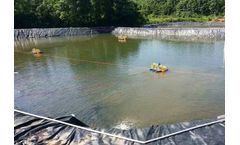
In the global aquaculture industry’s move towards intensification and sustainable development, Aquaculture geomembrane linings have transformed from an optional technology into a critical infrastructure, with their multiple advantages vividly demonstrated in practices across various countries. In the arid deserts of Saudi Arabia, their exceptional impermeability locks precious water ...

Ammonia (NH3) is an alkaline gas that negatively affects air quality, promoting the formation of secondary PM2.5 and interacting with other pollutants such as nitrogen oxides (NO?), sulfur dioxide (SO2), and volatile organic compounds (VOCs). ...

Ghana, formerly known as the “Gold Coast,” has a centuries-long history of gold mining. Today, gold remains a mainstay of Ghana’s economy. However, mining has also caused increasingly serious environmental problems. Mining operations discharge large amounts of silt and toxic substances (especially mercury and cyanide) into rivers, destroying many river ecosystems and rendering ...

In fields such as food testing, traditional Chinese medicine research and development, environmental monitoring, and materials analysis, the efficient extraction of target components from complex samples is a crucial prerequisite for subsequent qualitative and quantitative analysis. Traditional extraction methods suffer from limitations such as long processing times, large solvent consumption, ...
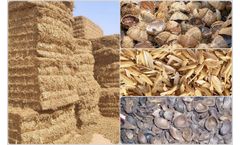
Using straw to produce biochar not only effectively reduces agricultural waste accumulation but also improves soil fertility and enhances the sustainability of agricultural production. 3. ...

The lithium battery environmentally friendly recycling equipment independently developed by DOING adopts dry physical separation methods to shred, crush, magnetically separate, screen, and gravity separate lithium batteries, and is equipped with pulse dust removal to ensure zero pollution emissions during the recycling process. Turning electronic waste into treasure through ...
Heavy metals present in solid waste can leach into the environment through sun exposure and rain, polluting soil, groundwater, surface water, and even the atmosphere—ultimately threatening human health. ...
Abstract Mercury contamination in soil primarily originates from atmospheric deposition, wastewater irrigation, and agricultural activities. ...

Abstract Mercury contamination in soil primarily originates from atmospheric deposition, wastewater irrigation, and agricultural activities. ...

As industries face mounting pressure to remediate contaminated soils and hazardous wastes, policymakers are increasingly recognizing thermal desorption units as viable solutions. ...

The main goal of a waste removal system is to protect public health, while also promoting sustainable resource use, preventing the accumulation of trash in landfills, and minimizing environmental impact-reducing soil, air, and water pollution. In fact, a waste water treatment plant is a basic element in the structure of an optimal wastewater management system. ...
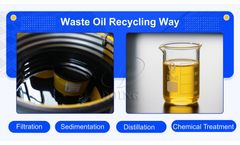
Environmental Protection Reducing pollution: Waste oil contains harmful substances such as heavy metals, organic compounds, and polycyclic aromatic hydrocarbons. If not properly treated, it can pollute soil, water, and air, posing significant threats to the environment and human health. Waste oil distillation equipment effectively removes ...
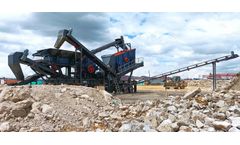
Environmentally, excessive landfill usage leads to soil contamination, groundwater pollution, and increased greenhouse gas emissions from decomposing organic waste alongside concrete rubble. ...
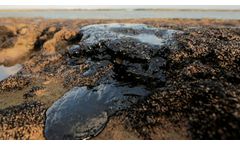
The accumulation of oil-contaminated waste in landfills or open environments leads to severe soil contamination, adversely affecting soil quality, biodiversity, and agricultural productivity. ...