
Refine by
Soil Toxicity Articles & Analysis
113 articles found

Environmental Value of Solar Panel Recycling By recovering materials such as silicon, copper, and glass, recycling not only prevents the long-term pollution of soil and water sources caused by toxic substances such as lead and cadmium, leaching from discarded modules in landfills, but also significantly reduces the energy consumption and ecological damage ...

Landfilling and open-air incineration remain environmentally detrimental due to long degradation periods, toxic emissions, and soil contamination risks. Under these circumstances, pyrolysis technology has emerged as a strategic solution capable of converting tyre waste into reusable industrial commodities. ...

Excellent impermeability to prevent leakageOutstanding chemical resistance to acids, alkalis, and saltsStrong UV resistance for outdoor, harsh environmentsHigh tensile strength and puncture resistanceLong service life under extreme conditionsKey Applications in MiningTailings pond liner: Prevent leakage of toxic mining waste into soil and groundwaterHeap leach ...
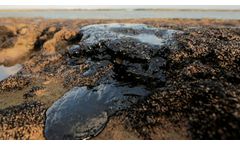
The accumulation of oil-contaminated waste in landfills or open environments leads to severe soil contamination, adversely affecting soil quality, biodiversity, and agricultural productivity. ...
The composition of oil sludge can vary, but it often contains heavy metals, hazardous chemicals, and toxic substances, making it a significant environmental threat if not properly treated.The improper disposal of oil sludge can have devastating effects on the environment. When oil sludge is carelessly dumped into landfills, rivers, or oceans, it can lead to soil ...

Industrial processes generate wastewater, also known as effluent, that contains harmful pollutants, chemicals, and toxic substances. Without proper treatment, this wastewater can cause significant environmental damage when released into natural water bodies. ...

The new European Union (EU) Soil Monitoring Law aims to address this by ensuring healthy soils across all member states by 2050. ...
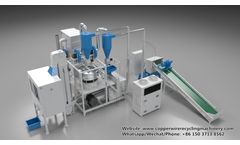
If aluminum-plastic composite materials are not recycled, they will become solid waste that is difficult to degrade. Direct landfilling will cause soil pollution, and incineration may produce toxic and harmful gases. ...

The document provides detailed guidelines on Canadian Soil Quality for protecting environmental and human health, focusing on Polycyclic Aromatic Hydrocarbons (PAHs). ...
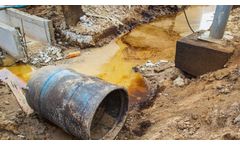
Significant updates since the last revision include: New DTSC-SLs for various analytes due to updates in the USEPA RSL tables and changes in toxicity criteria. Modifications in soil DTSC-SL values for specific compounds resulting from changes in USEPA’s chemical-parameter values and toxicity criteria. Updated values for tap water and ...

Some standard methods used in environmental remediation include:Groundwater Pumping and Treatment: Environmental engineers use a vacuum pump to draw out contaminated water and treat it using methods such as carbon absorption, biological treatment, and air stripping[2].Soil Remediation: Environmental technicians employ techniques like incineration, thermal desorption, and ...

Studies have detected microplastics virtually everywhere—in the air, soil, lakes, rivers and oceans. The toxicity impacts marine life through ingestion and absorption of plastic chemicals. ...
ByAntecs
By subjecting tires to pyrolysis, it minimizes the emission of harmful pollutants into the air and prevents the leaching of toxic substances into the soil. This meticulous approach to waste management marks a paradigm shift, offering a more responsible and sustainable alternative. ...
Traditional disposal methods, such as landfilling and incineration, pose environmental hazards, including soil pollution and the release of toxic emissions. View some parts from pyrolysis plant manufacturers. ...
When tires are improperly disposed of in landfills or dumped in the environment, they can:Contribute to Landfill Overcrowding: Tires take up a substantial amount of space in landfills, which are becoming increasingly overburdened.Pose Fire Hazards: Discarded tires can become fire hazards, leading to toxic smoke, soil contamination, and increased fire-related ...

Heavy metals like lead, mercury, and cadmium can be deposited from the air into the soil. These toxic substances can harm plants, insects, and larger animals. ...

Biomedical liquid waste and hospital effluent, if not treated properly, can have significant and far-reaching effects on the ...
Were you aware that waste tires really are a major environmental problem in the states? They leach toxic chemicals into our soil and waterways, and so they might take centuries to decompose.But what if there is a method to recycle waste tires into fuel? ...
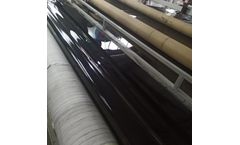
– HDPE geomembranes and LLDPE geomembranes can isolate soil and groundwater contamination. HDPE geomembranes and LLDPE geomembranes are non-toxic, safe for human health and the environment, and do not need more protective layers. ...
Did you know that waste tires really are a major environmental problem in the states? They leach toxic chemicals into our soil and waterways, plus they can take centuries to decompose. ...