
Refine by
Solid Waste Articles & Analysis
1,724 articles found

llenges of Flue Gas Treatment in Waste-to-Energy Facilities Municipal Solid Waste (MSW) incineration with power generation is one of the most effective methods for waste reduction, resource recovery, and environmentally sound disposal. ...
What Are the Main Challenges in Hazardous Waste Incineration Flue Gas Treatment? Hazardous waste streams such as:Electroplating sludge Chemical residues Metal smelting waste Industrial solid waste Pyrolysis by-products typically produce exhaust gases with several treatment challenges:High CO Concentrations Carbon ...
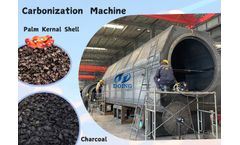
Producing biochar from palm oil processing waste is a viable resource recovery strategy. First, converting palm oil waste into biochar reduces the volume of waste and lowers environmental pressure. ...

Industrial waste management remains a significant environmental challenge in modern manufacturing and production sectors. ...

Traditional waste sorting methods are no longer sufficient for today's recycling challenges. ...
The world faces a growing waste crisis that demands urgent action. Society discards over 2 billion tonnes of municipal solid waste annually, with one-third not managed in an environmentally safe manner. PICVISA, a leading AI and machine vision recycling company, provides the technologies that help recycling facilities worldwide handle this ...
PICVISA, a leading machine vision systems company based in Barcelona, Spain, offers advanced glass recycling machine solutions that are transforming how the industry approaches glass waste management. A glass recycling machine is designed to crush, compact, and process waste glass such as jars and bottles, reducing volume by up to 20 times. By converting ...
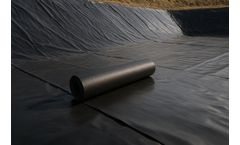
Geomembrane thickness is a critical design parameter in solid waste management, reflecting puncture resistance, chemical durability, and engineered service life. ...

Industrial facilities face a critical decision when managing wastewater: rely on third-party hauling services or invest in on-site treatment solutions. While hauling appears straightforward, this approach often carries substantial long-term costs and operational risks that many organizations ...
Biochar production equipment is now being designed to process a wider range of organic materials, including agricultural residues, municipal solid waste, and even plastics. This diversification of feedstocks is a major development in the biochar industry, as it allows for the conversion of various waste streams into valuable products. The ability ...
While wood has traditionally been the primary source, there is an increasing focus on using agricultural waste, forestry residues, and even municipal solid waste for biochar production. ...
Central to this movement is the development of technologies that enable efficient waste processing and the recovery of valuable resources from waste materials. One such innovation that has garnered attention is the continuous pyrolysis reactor, a revolutionary system designed to convert organic waste into valuable products while minimizing ...
During the change-outs of the printing press, the ink is washed off the printing roller to ready the process for the next client’s container. This washing generates a waste ink high in solids that in order to discharge the box manufacturer has paid excessive discharge fees to the SA Water ...
Understanding Biochar and Its Role in Carbon Sequestration Biochar is a stable form of carbon that is produced through the pyrolysis of organic materials, such as agricultural waste, forestry residues, or even municipal solid waste. The process involves heating the feedstock in a low-oxygen environment to create a solid, ...
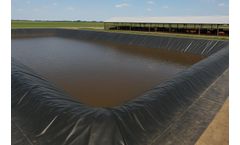
Brand: EarthShield Installation method: Welded lining system Why HDPE Geomembrane is Essential for Livestock Farms Prevent groundwater contamination Control odor and leakage Improve biogas collection efficiency Meet environmental compliance standards Long service life (20–50 years) Why 1.5mm Thickness Was Selected Large pond capacity High liquid pressure Long-term ...
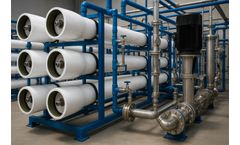
Recovery rates, staging strategies, and downstream technologies are selected based on site conditions, permitting requirements, and sustainable lifecycle performance.The Hidden Costs of “After RO” DecisionsResiduals handling decisions have a lasting influence on total cost of ownership. High total dissolved solids, variable chemistry, and scaling potential complicate concentrate ...
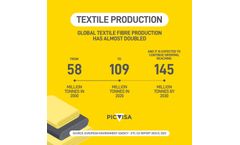
Textile recycling Innovative technologies in the production of recyclable textiles Every day, large amounts of damaged recyclable textiles and other materials are discarded worldwide, contributing to pollution either because of their long decomposition time or because they release harmful chemicals. This waste stream includes pre-consumer textile waste —factory ...

Finding effective ways to stop ocean pollution by reducing plastic waste and protecting marine life is one of the most significant contributions recycling companies can make to environmental preservation.Alarm over ocean pollution A combination of chemicals and waste, mostly from land-based sources, is carried into the ocean. This solid ...
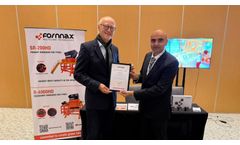
Jerschl brings a wealth of industry knowledge and a strong track record, having worked with several renowned recycling and waste management companies. Over the years, he has led the deployment of single machines and complete turnkey installations for a wide range of applications including Tyre, Cable, municipal solid waste, ...

It effectively addresses the challenges of treating both domestic and industrial solid waste. Pyrolysis equipment plays a vital role in resource recovery and environmental protection. ...