
Solid Waste Processing System Articles & Analysis
8 articles found
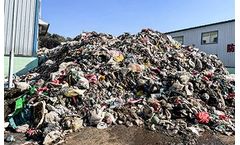
What is Non-Hazardous Treatment of Municipal Solid Waste (MSW)? After proper classification, most non-recyclable municipal solid waste undergoes non-hazardous treatment through methods such as landfilling and incineration. What is Resource Recovery from Municipal Solid Waste? Mixed municipal ...
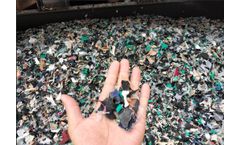
This article delves into four major categories of raw materials—municipal solid waste, industrial solid waste, agricultural and forestry residues, and lightweight materials from decoration waste—analyzing their generation volumes, pre-processing challenges, calorific value ...
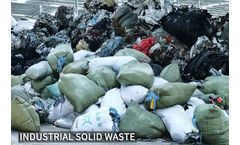
In October 2024, A cement company in Sichuan province adopted a Harden RDF alternative preparation system with advanced and multiple solid waste processing technologies, to achieve the continuous and steady operation of RDF alternative fuels processing for cement kiln. ...
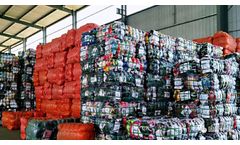
*PART 3 RDF/SRF ALTERNATIVE FUEL PROCESSING TECHNOLOGY RDF/SRF alternative fuel is to process waste textiles into high calorific value RDF/SRF alternative fuel through integrated industrial preparation technology. ...
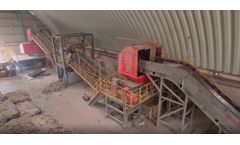
If we calculate coal at 1,200 yuan per ton, minus operating costs and raw material costs, we can save tens of millions of yuan every year. In this system, the raw materials for processing SRF alternative fuel are mainly general industrial solid waste such as waste cloth and waste leather ...
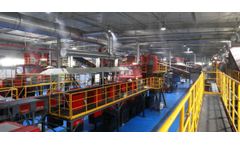
MSW is collected, transported and processed by the sanitation department in various residential areas or public places, and then sent to the landfill site and waste incineration plant according to different needs. ...

Wet Dust Collection for Solid Waste Processing Whirl Wet Dust Collector System chosen by waste management firm. A company specializing in waste management services, recycling, and de-packaging solutions specified a Model H Whirl Wet Dust Collector System to capture dusts from ...
INTRODUCTION In recent years, there is growing public awareness of odors from waste water treatment plants, which mainly stems from the following observed trends: The public is less tolerant of objectionable odors from waste water treatment plants; Many waste water treatment plants have seen residential, commercial, or other developments ...