
Refine by
Solid Waste Stream Articles & Analysis
46 articles found
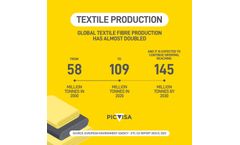
Textile recycling Innovative technologies in the production of recyclable textiles Every day, large amounts of damaged recyclable textiles and other materials are discarded worldwide, contributing to pollution either because of their long decomposition time or because they release harmful chemicals. This waste stream includes pre-consumer textile ...
Recycling must be approached from recovery – paper, glass, plastic, metals, construction and demolition materials, and organic matter from the municipal solid waste (MSW) stream – taking into account its potential transformation into materials to manufacture new products. ...
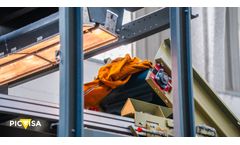
This requires successful waste management in a material recovery facility (MRF).What are MRFs? ...
This €4.5m Horizon Europe project aims to reduce the environmental impact and improve the economic viability of freshwater aquaculture by valorising unused resources like solid and liquid waste streams from systems based on recirculating aquaculture (RAS) and integrated multi-trophic aquaculture (IMTA). ...
ByEurofish

Waste Management Biomass pyrolysis also holds promise for waste management and recycling efforts. By processing organic waste streams such as municipal solid waste, food waste, and sewage sludge, biomass pyrolysis plants can divert organic materials from landfills and ...
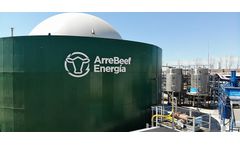
Engineers consider a range of factors — including the waste to be treated and the desired outcome — when designing an AD system Anaerobic digestion (AD) is a well-established technology for the treatment of organic waste streams. It harnesses the power of microorganisms in an oxygen-free environment to decompose organic matter, generating renewable biomethane as a byproduct and ...
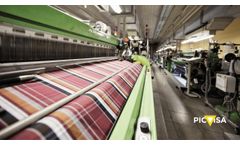
However, there is another flow of textile waste that adds tons to the waste generated by used clothing, and that is the unused clothing, meaning garments that never made it to a wardrobe, that no one has ever worn because they were never sold (pre-consumer waste). TEXTILE WASTE: A GLOBAL CHALLENGE In Europe, over 16 million ...

The MDE estimates that Maryland food manufacturers and processors produce up to 998,630 tons of excess food waste per year. Most reports suggest that between 30%-40% of food is wasted along the supply chain. ...
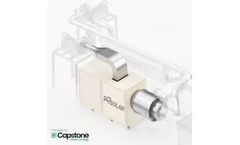
The exhaust from many industrial processes is clean and very hot (850 -1,000°C), yet in many cases it is simply vented into the atmosphere…in other words, it’s wasted. ...
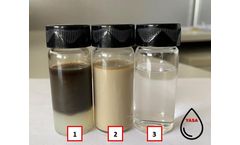
Now, companies must take any and all measures necessary to ensure the safe collection and disposal of waste oils and must, as far as possible, give priority to the processing of waste streams. ...
ByYASA ET
With the coming boom in EV sales (some say the boom has already begun), there is no time to waste implementing the technology and processes for a clean, economical, and sustainable LiB recycling infrastructure. ...

Understanding the terminology used by the waste industry can be a little confusing for those new to incineration. We've put together a helpful list of typical terms that are commonly used in the waste disposal industry. They will help you understand the terminology better and give you a better understand when you come to make your decisions on which method is right for you. The calorific value ...
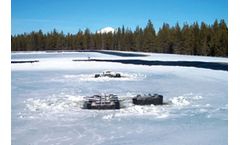
The mills produce modified kraft mill and groundwood effluent that receives PH adjustment and nutrient supplementation before being mixed with the clarified paper mill waste stream. The solids from this combined waste stream are settled out in either of two 100 x 1500 foot primary basins. ...

Numerous industrial and municipal processes generate a substance referred to as “sludge,” a semi-solid byproduct containing a mixture of liquids and solid waste. Sludge disposal is highly regulated, making it essential for municipalities and industrial businesses to treat and dispose of it in a way that complies with regulatory ...
Paper, which includes everything from junk mail to newspaper, accounts for a big chunk of the municipal solid waste stream at 33%. Paper is also one of the most recovered materials, as recycling opportunities are often readily available. ...
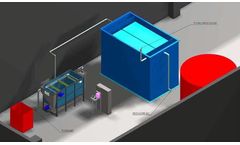
Facility Background PEWE has developed a new patent pending process equipment system for clarifying mixed solids flows of aerobically treated waste streams. It is a dissolved air flotation clarifier, or commercially the PEWE T2-MaxTM Thickener DAF. The object of clarification is to eliminate the major portion of the impurities and/or ...
The pandemic has changed consumer behavior resulting in a huge boost for e-commerce. At pace with accelerating home delivery, the demand for cardboard is stronger than ever. Cardboard shortage puts cardboard recycling in focus and is bound to increase interest in recycling equipment. Industry experts agree that it is not a temporary surge in demand for online shopping. It has settled at a new ...
ByOrwak AB
Why We Manage Food and Organic Waste? We are one of the top producers of waste in the world. With the amount of rubbish that we produce, it is necessary that we are aware of how to manage and dispose of it efficiently and responsibly. Organic waste should not be a source of environmental pollution that has to be gotten rid of by putting it in landfills or burned in incinerators, as this could ...
It’s 2020, and the cleantech industry is becoming more and more diverse. Women are leading the development and commercialization of innovative technologies. Successful and inspiring women take high-level leadership positions, creating new technologies that are changing the world. Today, Terragon’s women share their stories and experiences in this ...
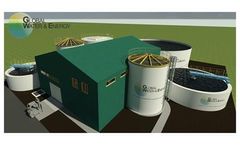
With almost three decades of operational experience, GWE has been a reliable partner to the starch industry delivering custom solutions to handle both solid and liquid waste streams, contributing to a significant reduction of Green House Gas (GHG) emissions and overall environmental footprint of the starch factories. ...