
Solid Waste Toxicity Articles & Analysis
11 articles found
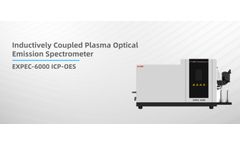
Application Area:Waste Incineration Measuring Sample: Solid Waste Measuring Components:Ba, Cd, Cu, Ni, Zn, etc. Feature:Continuously monitoring the concentration of toxic elements. ...

Waste is considered hazardous when it is deemed harmful to humans and/or the environment. Any solid or liquid waste that is considered toxic, chemically reactive, flammable or corrosive. ...

The concentrations of Pb, Cd, Cr, Sb, Fe, Zn, Ca, Cu, Ag, Ba and Hg, present in solid wastes of Pallavaram municipality landfill dumpsite located in Chennai were determined and their toxicity was assessed using the toxicity characteristic leaching procedure (TCLP) developed by the US Environmental Protection Agency (USEPA). The ...
In the present day situation, the toxicity in municipal solid waste has increased to a very high level leading to various problems. The main purpose of the study is to improve the quality of mixed solid waste by adding locally available biomass. It was observed that the feedstock for refuse derived fuel and ...
The gap in environmental commitments is particularly troubling, given that climate change, air pollution, water risks, use of toxic and solid waste, extractive sectors, the growth of cities, and land use change are of fundamental importance to present and future generations. ...
High values of total mercury content (2320 ± 40 mg/kg) in the sludge sample as well as in the toxicity characteristic leaching procedure (TCLP) extract (0.46 ± 0.02 mg/l) were obtained. ...
Environmental health problems in Malaysia are mostly attributed to atmospheric pollution, water pollution, climate change, ozone depletion, and solid waste management, as well as toxic, chemical, and hazardous waste management. ...
Our society produces large volumes of solid waste, including toxic chemical waste. For toxic solids, the current disposal practice is to dump them into isolated, lined pits, and cover them with a water-impermeable layer with a soil layer on top. Such waste deposits require ...
Many of the metals in these wastes are dispersed via wind and rain, and can be toxic to flora and fauna. ...

The infrastructure may include effluent treatment; solid and toxic waste collection, treatment, and disposal; air pollution and effluent monitoring; technical services on pollution prevention; quality management (quality assurance and control); and laboratory services. ...
Industrial activities often produce various pollutants; these include air and water pollution as well as solid and/or toxic wastes. Since these pollutants may impose costs on society and individuals, the identification and quantification of these pollutants, and the assessment of their impacts, both monetary and non-monetary, are important ...