
Refine by
Solvent Degreaser Articles & Analysis
28 articles found
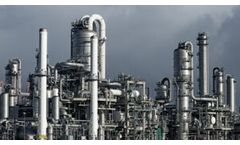
Here are Some Examples of Chemical Waste: Manufacturing or Laboratory By-Products Solutions and Chemicals for Film Processing Reagent grade chemicals Chemically Contaminated Objects – Syringes, Needles, Razors Chemical Powders Spent Solvents Fluids Including: Transmission, Radiator, Brake and Steering Fluids Dye Used oil Asbestos Sulphur Mercury Pesticides ...
Its ability to mix fully with water, ethanol, and chloroform underscores its utility as a solvent for both polar and non-polar substances, making it a cornerstone in many industrial, pharmaceutical, and consumer product applications. ...
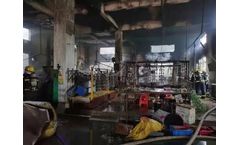
Electroplating plants typically produce a variety of waste gases, the composition of which depends on the electroplating process, materials and equipment used.The Following Are Some Of The Main Waste Gas Components That Electroplating Plants May Produce Volatile organic compounds (VOCs): VOCs are common waste gas components in the electroplating process and come from organic substances in the ...

An aerosol can of some sort of degreaser or solvent is as likely to be in a tool box as a screwdriver for these hard working souls that are the backbone to the American workforce. ...
For instance, TCE, or trichloroethylene—a carcinogenic industrial solvent primarily used to degrease metals—is broken down into ethylene, which the tree can use as a carbon source, and chlorides, which are released from the roots in the form of innocuous salts. ...
The following is a summary of the hazards of each solvent: Mineral Spirits is probably the most common solvent but the same chemical mixture of hydrocarbons is often referred to as Stoddard Solvent, Petroleum Distillates, Petroleum Naphtha or White Spirits. ...
On November 4, 2019, the U.S. Environmental Protection Agency (EPA) announced the availability of the draft risk evaluation for N-methylpyrrolidone (NMP), which includes more than 30 uses of NMP in adhesives, sealants, paints and arts and craft paints, paint and coating removers, adhesive removers, and degreasers. In the draft risk evaluation, EPA has made a preliminary determination that NMP ...
There’s no such thing as a foolproof engine. Even cleaning one can be hazardous if not handled with extreme care. Fortunately, you have options for nonflammable solvents and fast-drying solvents that can significantly reduce the chance of injury. Along with a whole host of safety precautions, learn why these types of cleaning chemicals are essential to any industrial operation. ...
Almost no industry is under closer scrutiny than solvent cleaners and similar chemicals. Proactive businesses have embraced this new role with cleaner processes that limit environmental impact and give environment-minded consumers more options than ever. ...
Acid Cleaners—citric acid degreasers and spot removers. Solvents such as mineral spirits, acetone, alcohols, paint strippers, disinfectants, chlorinated cleaners, sanitizers, on and on and on. ...
Chemicals that can migrate into a building in vapor form are generally confined to solvent type chemicals that evaporate. This can generally include what is defined as, “volatile chemicals or semi-volatile chemicals” because of their ability to evaporate where they come in contact with the air. ...
A subsequent environmental assessment revealed that an underground storage tank, used to hold common cleaning/degreasing solvent for use during testing, had developed a leak and had to be abandoned. ...

With response to many hydrocarbons, solvents, degreasers, paints, fumigants, etc., it can be used to monitor continuously for workplace safety from toxic vapors in applications such as refineries, paint booths, shipping fumigations, chemical waste storage areas, polymer manufacture, pharmaceutical labs, etc. ...
The Company was a 2015 WBM Bio Business Award Winner, winning Bio-Based Product Innovation of the Year for Elevance Clean™ 1200, a volatile organic compound (VOC)-exempt degreasing solvent. Elevance also won a Bloomberg New Energy Finance: 2015 New Energy Pioneer Award and has been listed on multiple rankings of hot and innovative biobased ...
Hazardous Materials Relevance TCE is a volatile chlorinated hydrocarbon widely used as a solvent, dry-cleaning fluid, and degreaser. TCE is a common soil contaminant and is an environmentally persistent pollutant. ...

Polycyclic Aromatic Hydrocarbon (PAH) History Reilly Tar and Chemical 80 acre property, operated 1917-1972 Coal tar and distilled by-products discharged to ditch and peat bog through 1939 Onsite industrial well with leaky casing PAH History Reilly Tar and Chemical 1934 the city’s first water supply well started to draw creosote after two weeks of pumping Well shut down after 8 ...
VOCs are commonly present in gasoline, dry cleaning solvents and degreasing agents. Due to improper storage, disposal or spillage of chemicals, these hazardous chemicals could contaminate the drinking water. ...
This can lead to significant danger when measuring or detecting solvents, fuels, chlorinated degreasers, benzene and heat or transfer fluids for example, or when monitoring some inorganic vapours such as ammonia and hydrogen sulphide. ...
The Problem A major Air Conditioning company was mandated to have an alternate technology for degreasing evaporator fins. They had, until recently, been deoiling metal parts in a conveyorized solvent based vapor degreasing line, but the state environmental agency mandated that the line be shut down on a certain date due to the excessive water ...
The Problem A major Automotive company was mandated to have an alternate technology for degreasing evaporator fins. They had, until recently, been deoiling metal parts in a conveyorized solvent based vapor degreasing line, but the state environmental agency mandated that the line be shut down on a certain date due to the excessive water and air ...