
Refine by
Source Sampling Articles & Analysis
164 articles found

For instance, L. acidophilus ATCC 4356 possesses 17 phosphotransferase systems versus 20 in NCFM, influencing carbon source utilization in experimental systems. Stress response mechanisms: Differential expression of heat shock proteins, particularly GroEL and DnaK chaperones, correlates with viability post-lyophilization—a critical consideration when selecting freeze-dried ...

DDA-Based Label-Free Quantification In DDA-based LFQ, each sample undergoes enzymatic digestion to produce peptides, which are then analyzed using LC-MS/MS. ...

Mass spectrometry involves three main components: Ion Source: Generates gaseous ions from the sample. Analyzer: Separates ions based on their mass-to-charge ratio. ...

Mass spectrometry (MS) is one of the foremost analytical methods of the modern age. It involves ionizing chemical compounds to generate charged molecules or molecule fragments, which are then separated and detected based on their mass-to-charge ratios (m/z). The resulting mass spectrum provides detailed molecular weight, structure, and composition information. Accuracies of within 1-2 parts per ...

This article mainly introduces labeled quantitative technology.The main strategy of labeling quantification is to introduce small molecules with stable isotope labels into different protein or peptide samples, and use the mass difference generated after isotope labeling to identify the source of the peptide. ...

Protein Extraction Firstly, the targeted protein needs to be extracted from a biological sample. This can be achieved through cell culture, tissue samples, or other appropriate sources. ...
It can be used to label up to 18 different samples. For each sample, the unique reporting mass in the low mass region of the MS/MS spectrum (i.e., 126-135Da) is used to measure the relative protein expression levels during the peptide fragmentation process. ...

There were several software packages available on the market, but none which provided a complete solution to manage samples, the sample source (in Dr Lindsay’s case – the patient) and the storage area. ...
Biological sample selection and collection The study objects of pharmacometabolomics can be divided into animal samples (urine, serum, plasma, tissues, organs, saliva, alveolar flush, cerebrospinal fluid, etc.) and human samples (urine, serum, plasma, saliva, tears, hair, etc.) according to their sources. In general, liquid ...

A fuel test report from a laboratory provides critical information about the quality and suitability of fuel for various applications. Understanding this report is essential for making informed decisions regarding fuel usage, storage, and maintenance. Here’s a detailed guide on how to read and interpret a fuel test ...

Working Principle of Dust Monitoring System A dust monitor employs the following components and processes: Sampling Mechanism: Dust monitors have a sampling mechanism that collects air samples from the surrounding environment. ...

Water samples were collected under baseline, snow and rain events conditions in urban and agricultural catchments (Qu´ebec, Canada). ...

NDIR sensors operate on the principle of molecules absorbing specific wavelengths of infrared light. Air samples are collected in a tube and subsequently analyzed under a source of light. ...
ByJXCT

Several methods are employed to detect and quantify these pollutants: Sampling and Sample Preparation: To analyse emerging contaminants in water, researchers collect water samples from various sources, including rivers, lakes, and groundwater. These samples are then subjected to a series of preparation steps to ...

Programmed to record temperature and DO at 15-minute intervals, the miniDOT®s were secured between an anchor and sub-surface buoy 1-meter above the bottom of the reservoir or suspended 1-meter below the surface alongside a random sample of mussels sourced from within the reservoir. Data was retrieved from the loggers on a monthly and bi-monthly basis between ...
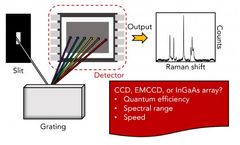
This is especially noticeable when using samples that have small Raman scattering cross sections, are low in concentration, or require very fast spectral acquisition times. ...

In our community, the amount of certain isotopes present in a sample helps to tell us about the history and origin of that sample. Often this is not very glamorous research, but occasionally it ventures into the public awareness, such as the meteorite that landed in the south of the UK recently. ...
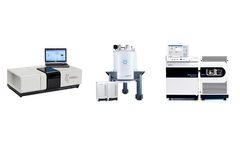
Excitation monochromators are found in all spectrophotometers (see following section) for selecting the desired excitation wavelength to reach the sample from a white light source (Figure 3 Excitation Monochromator) and spectra are measured by scanning the monochromator and measuring the change in signal as a function of excitation wavelength. For detecting the ...
One of the main reasons for this is the hugely simpler sample preparation. ICP-MS instruments most commonly analyse samples in a dilute acid matrix, and for some sample types, the sample preparation is simply a case of diluting the sample to a suitable concentration to enable measurement (side note: I realize ...

However, as with all sequencing-based methods, MGS results are very dependent on the method of DNA isolation from fecal samples, which is a major source of technical variation in microbiome results. ...