
Sox Pollution Articles & Analysis
18 articles found

Sources Particulate matter PM10 is either directly emitted from a source (primary PM) or is formed through the chemical reactions of gases such as oxides of sulfur (SOx), nitrogen oxides (NOx), organic compounds, etc. in the atmosphere (secondary PM). ...
Environmental impact The major environmental impacts of PM2.5 pollution are visibility reduction and smog. Particulate matter, specifically PM2.5 alters the absorption and scattering of light in the atmosphere affecting visibility. ...
What is PM1 “PM” (Particulate Matter) is not a single pollutant but refers to a complex mixture of solids and aerosols. Which are of varying shape, size, and chemical composition. ...
They occupy a considerable area of our urban spaces and are primarily designed for vehicular traffic making them significant contributors to air pollution. The major air pollutants contributing to roadside air pollution are particulate matter (PM), NOx, CO and SOx. Major sources of these pollutants are from ...
Wet scrubbers are considered to be air treatment devices to take away gaseous particulate pollutants (NOx, SOx or other gases produced by combustion systems) that negatively affect the environment. ...

Large ships, offshore platforms and poor land waste management, cause much of the marine pollution. Proper action is needed to solve this problem, starting with the correct use of technologies such as industrial shredders There are now regular reports of marine plastic pollution. ...

Environmental Protection Agency (EPA) has focused on SO2 as a pollutant for decades. The largest sources of SO2 emissions are from fossil fuel combustion at power plants (73%) and other industrial facilities (20%). ...

Sharing a common goal, experts in emissions monitoring and emissions abatement have formed a working partnership to develop innovative new materials for treating pollutants in flue gas emissions. A business strategy with a heavy focus on innovation has enabled Lhoist, a family owned Belgian company, to become one of the world’s leading providers of Flue Gas Treatment ...
It leads to emissions of greenhouse gases (GHG) and air pollutants, it is the main source of environmental noise and it leads to habitat fragmentation. ...
EU-28 emission trends Figure ES.1 to ES.3 present the aggregated EU-28 emission trends of air pollutants for the period from 1990 to 2013 (2). Emission trends of main air pollutants between 1990 and 2013 Across the EU-28, the largest emission reduction in the main pollutants was of SOX. ...
Greenhouse gas emissions fell by 7.1 % in 2009, while air pollution was also reduced. For example, sulphur dioxide (SOx) emissions fell by 21 %. Air pollution and carbon dioxide from industrial plants in the EU caused €102-169 billion health costs in 2009, according to analysis carried out by the EEA. ...
EU‑27 emission trends This report describes the EU‑27 emission trends for a number of air pollutants for the period 1990–2008. An improved gap-filling methodology used in compiling this year"s EU‑27 emission inventory means that for the first time a complete EU‑27 time series trend for the main air pollutants (NOx, ...
Under the LRTAP Convention, Parties (including the European Community) are obliged to report emissions data for a number of air pollutants, including sulphur oxides (SOX), nitrogen oxides (NOX), non-methane volatile organic compounds (NMVOCs), ammonia (NH3), carbon monoxide (CO), primary particulate matter (PM10 and PM2.5), heavy metals (HMs) and persistent ...
EPA developed CAIR to reduce emissions of sulfur and nitrogen oxides (SOx and NOx) from the power sector to help 28 eastern states and the District of Columbia meet NAAQS for O3 and fine particles (PM2.5) and to reduce regional haze. ...
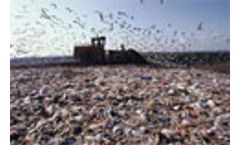
Landfills and older incinerators can also release harmful dioxins, a cancer-causing carcinogen; air pollutants like NOx and SOx, which make up acid rain; and other kinds of particulate matter, which can cause respiratory illnesses. ...
This is the annual European Community Long‑range Transboundary Air Pollution (LRTAP) Convention Emission Inventory report. The report, and its accompanying data, are provided by the European Commission (on behalf of the European Community), as an official submission to the secretariat for the Executive Body of the LRTAP Convention. Under the LRTAP Convention, Parties are ...

Two versions of the Danish Eulerian Model (DEM) with resolutions of 50 and 10 km on the Europe domain have been used to study: (i) where the highest SOx and NOx Bulgarian pollution levels are located; (ii) how great is the influence of European emission sources on the pollution levels in Bulgaria; and (iii) whether it is possible to evaluate the ...

Ambient Data and Emissions Data The conceptual model which underlies most pollution management that emissions of pollutants lead to changes in ambient levels, which in turn control the impacts on health and environment. ...