
Spirulina Articles & Analysis
21 articles found
Bulgaricus L plantarum L. reuteri L. rhamnosus Lactococcus lactis Hydrated Sodium alluminium Silicate Nigella sativa plumbago indica S. boulardi Sodium bicarbonate Sodium Hydroxide Spirulina T.Viride Mannon Oligo SaActivated Carbonides, 1,3/ 1,6 beta glucans Swertia chirraita Thio Urea Thymol, cinnamon containing trans-cinnamic acid, trans-cinnamaldehyde, and ferulic acid ...
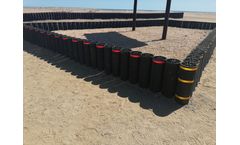
Halophilic Microalgae (Algae): Various algae species, including Dunaliella salina and Spirulina platensis. Mechanisms of Action of Halo-organisms in Seawater Desalination: Halo-organisms have evolved mechanisms to survive in saline environments and can play a significant role in seawater desalination. ...

We recently installed two Phyco-Flow systems for the production of food grade Spirulina in Geneva Switzerland. Each system comes with complete process control and automation as well as an optimised LED array for indoor cultivation. ...

Another Spirulina production project completed for Algae Bulgaria. The system combines a 20 m3, quadriplex Phyco-Flow with a 28 m3 high rate Phyco-Pond for the production of high quality fresh Spirulina. ...
Algae Bulgaria is a company founded by a young team of entrepreneurs who are passionate about the potential of microalgae within the nutraceutical markets (https://spirulina.bg/). They cultivate Spirulina and sell the biomass as a fresh paste food supplement, making their proposition considerably different from the dried alternatives found in most health food stores. As such, ...
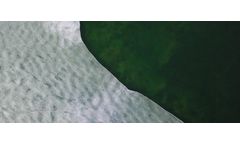
If you’ve read any of our blogs, you already know the plethora of negative impacts of harmful algal blooms (HABs). From depleted oxygen levels to fish kills, and from skin irritations to liver damage, the consequences of these blooms are well-documented. But when we think of harmful algal blooms (HABs), we typically imagine warm weather and stagnant water, with greenish-blue scum covering ...

They are generally divided into fungi, actinomycetes, bacteria, spirulina, rickettsia, chlamydia, mycoplasma and viruses. Microbial whole genome sequencing is an important tool for mapping genomes of novel organisms, finishing genomes of known organisms, or comparing genomes across multiple samples. ...

There are mainly two kinds, one is the ω-3 series of α-linolenic acid, high content in plant foods containing oils and fats, such as flaxseed, white sage seeds, perilla seeds, fire hemp seeds, walnuts, etc., and dark green plants such as spirulina and deep-sea microalgae in. Animal food contains only a very small number of food such as silkworm pupae and deep-sea ...
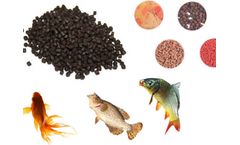
Add Beneficial Ingredients Generally, spirulina is added to the goldfish feed. This is equivalent to vegetables, which is easy to digest and has the effect of making the goldfish more colorful. ...

Due to the low concentration of nitrate and high contents of organics, brewery effluent was not suitable for the cultivation of Spirulina sp. This work changed the nutrient profile of brewery effluent effectively by dilution, addition of nitrate, and anaerobic digestion. The result showed that the optimum dilution rate and NaNO3 addition for brewery effluent were 20% and 0.5 ...
Chemical modification of Spirulina platensis biomass was realized by sequential treatment of algal surface with epichlorohydrin and aminopyridine. ...

The results of a whole year experiment on the outdoor mass culture of Spirulina maxima strain 4Mx on fertilized sea-water are reported. Carbonate and phosphate precipitation in the sea-water media was prevented by maintaining a low concentration of phosphate and by controlling the pH in the range of 8.0–8.3. ...

We initially evaluated the effect of food (commercial flakes versus pure Spirulina) and ionic composition of the exposure medium on reproductive performance of Danio rerio. ...
An attempt was made to assess the suitability of the inland saline water of Rohtak (Haryana) for mass cultivation of Spirulina platensis, a salt loving cyanobacterium. Cultivation of S. platensis was performed in indoor and outdoor culture units. ...
Four green microalgae (Hydrodictyaceae reticulatum Lag, Scenedesmus obliquus, Oedogonium sp. and Chlorella pyrenoidosa) and three blue-green algae (Anabaena flos-aquae, Oscillatoria amoena Gom and Spirulina platensis) were used to remove the nutrients (N, P, C), especially ammonium nitrogen (NH4+-N), from diluted DPW with 300 mg/L algae density in batch tests. ...
Raw and methylated biomass of Spirulina platensis was employed in chromate batch adsorption tests at pH range 1–7. ...
An artificial neural network (ANN) was used to predict the biosorption of methylene blue on Spirulina sp. biomass. Genetic and anneal algorithms were tested with different quantity of neurons at the hidden layers to determine the optimal neurons in the ANN architecture. ...
A column consisting of algal biosorbents like agar-agar, alginic acid, calcium alginate and Spirulina platensis biomass entrapped in polyurethane foam matrix was designed and tested for the removal of As(V) from the aqueous medium. ...

Moreover, whereas Cd was also bound with the OH and amide groups, Cr interacted preferentially with OH groups.Keywords: bivalent ions, trivalent ions, biosorption, functional groups, FT-IR, adsorption, Spirulina platensis biomass, cadmium removal, chromium removal, adsorption, wastewater ...
In this paper, Spirulina platensis with relatively high nutrition was cultivated to treat human urine. ...