
Refine by
Stone Fruit Articles & Analysis
8 articles found
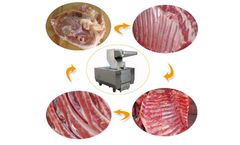
Grasses (such as spatholobus), vines (such as pathology), rhizomes (such as Dalbergia odorifera, citron, Acanthopanax senticosus, golden buckwheat, Isatis root, dried white peony, etc.), minerals (such as magnet, cold water Stone, keel, iron-containing ore), fruit shell starches (such as Alisma, Smilax, Polyporus), strong fibers (such as Ganoderma lucidum, dried ...

While her main focus during her career has been on the nut crops, namely almonds, walnuts, and pistachios, it increasingly spread to other systems for which both mating disruption and monitoring tools are used: grapes, citrus, pome, and stone fruits. During our conversation, she told me more about the use of mating disruption on the US West Coast, gave some ...
While her main focus during her career has been on the nut crops, namely almonds, walnuts, and pistachios, it increasingly spread to other systems for which both mating disruption and monitoring tools are used: grapes, citrus, pome, and stone fruits. During our conversation, she told me more about the use of mating disruption on the US West Coast, gave some ...

Way to Success Sour cherries and other stone fruit producers need high quality machines which above all affect on productivity growth. ...

Ornamentals: Only one application is allowed during bloom, and that bloom must not exceed a rate of 0.071 lb ai/acre. Pome Fruit, Stone Fruit, Tree Nuts and Pistachio: No application is allowed any time between 3 days prior to bloom and until after petal fall. Small Fruit Vine Climbing and Low Growing Berry, Tree Plantations: ...

All information collected by these technologies is viewable on 360viti, a cloud-based platform designed to centralize and analyze data including weather, fruit composition, and aerial imagery maps. Winegrowers can use the information throughout the year to understand yield and fruit quality and, ultimately, improve growing practices. ...

Please ask for details. Autumn RecommendationsTop and Stone Fruit Apply 1.5 – 2.5 kg/ha AminoA+ post-harvest every 7-14 days through fertigation, or as a foliar, whilst the leaf canopy is intact, to build up the tree for the following season. ...

From 1996 to 2005, global wheat production contributed 15 percent to the total water footprint of crop production in the world. Citrus and Stone Fruits: On average the global water footprint per pound are as follows: 67 ...