
Surface Water Intake Articles & Analysis
13 articles found

Thermal stratification and why it controls water quality Epilimnion: Warm surface layer (typically 18–25°C). ...
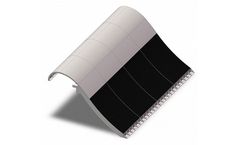
A Coanda effect inlet screen is a passive, self-cleaning filtration system installed at the head of a water intake structure. It uses the Coanda effect phenomenon, where a fluid flow tends to follow a curved surface to naturally direct water across a curved wedge wire screen. ...
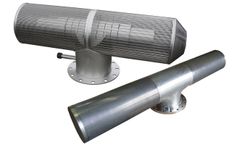
YUBO Wedge Wire Water Intake Screen Filter: An Effective and Reliable Raw Water Filtration Solution Across Industrial, Municipal, and Environmental Applications A wedge wire water intake screen is engineered to deliver efficient filtration at the source - a river, lake, ocean, or other water ...
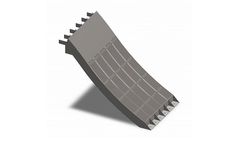
Wedge Wire River Intake Coanda Screen: An Advanced Water Filtration Solution Used in Hydro Power Plant ✔ Hydropower plants rely on a consistent and clean water supply to generate electricity efficiently. ✔ The wedge wire Coanda screen filters river water before it enters the system, ensuring optimal performance and reducing ...
Key Applications of Wedge Wire Screens in Water Treatment Our wedge wire screens play a significant role in numerous industrial water treatment processes, including: Ion Exchange Municipal Water Intake Sewage Treatment Solids Dewatering Waste Separation Sludge Treatment Fish Protection Barriers Seawater Desalination These ...
At the Two Rivers, WI Nuclear Power Plant, the submerged offshore HCS intake screen provides cooling water for the power plant. The intake is 30 feet in diameter and several feet. below the surface of water. The intake screen was fabricated with HDPE blades at six-inch clear ...
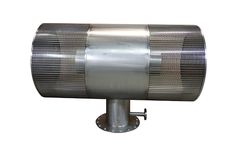
Different Types of Intake Screens 1. T-Type Intake Screens T-type intake screens are designed with a "T" shape, where the screen extends horizontally from the intake point, providing a large surface area for water to flow through while filtering out debris. Features of T-Type ...
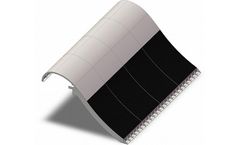
How Does a Coanda Screen Work The operation of the Coanda screen water intake is based on the Coanda effect: The Coanda effect describes the tendency of a fluid jet to stay attached to a convex surface. ...
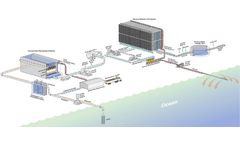
Intakes can also be designed with higher recovery rates, meaning less water would need to be drawn in from the ocean. ...

These shed cells and their DNA can be easily isolated, by filtering a sample of collected water and then sequencing the captured DNA in a lab. The data is then compared against known organisms for that area. ...

Client: City of Branson, Mo. Completion Date: 1997 Services Provided Microtunneling Public information program Permitting agency reviews Air backwash system Potassium permanganate feed system Inverted bulk drum storage Architectural features Architectural rendering Project Summary This intake receives water from Lake Taneycomo in Branson. It has an ultimate design capacity ...
Client: City of Wichita, Kansas Completion Date: November 2001 Services Provided Program management Hydrogeological engineering Water quality monitoring Design criteria development Water accounting system Public information program Permitting agency reviews Monthly/quarterly project reporting Technical publications Environmental ...

The objective of this study was to compare fecal indicator bacteria (FIB) (fecal coliforms, Escherichia coli [EC], and enterococci [ENT]) concentrations with a wide array of typical organic wastewater chemicals and selected bacterial genes as indicators of fecal pollution in water samples collected at or near 18 surface water drinking ...