
Syngas Composition Articles & Analysis
11 articles found
Fluctuation in oxygen input can alter temperature profiles and shift reaction equilibria, leading to rapid changes in syngas composition. For instance, reduced-temperature regions can develop within the gasification zone when heat release declines, and under reduced-temperature conditions methanation (C + 2H2 → CH4) becomes thermodynamically favorable. ...

Materials rich in cellulose and hemicellulose tend to produce less biochar but more volatiles (syngas and bio-oil). Bio-oil Quality: The chemical composition of the biomass can significantly affect the quality of bio-oil. For example, high lignin content may lead to a more aromatic, heavier bio-oil, while biomass rich in cellulose tends to produce lighter bio-oil ...
Scrubbers: Remove impurities from the syngas. Control Systems: Monitor and regulate the process parameters. ...

The transition to sustainable energy is a critical global goal, and biogas and syngas are emerging as significant contributors to this shift. Cambridge Sensotec’s advanced gas analysis technologies are playing a pivotal role in ensuring the efficient and effective use of these renewable energy ...

Unleash the power of Syngas Analysis in Biomass Gasification Applications. The aim of this blog is to decode this subject. Delve deep into the process, its impact, and its benefits. An enlightening journey ...
Pyrolysis can be used to convert many different materials into useful products, including bio-oil, syngas, and charcoal. The actual composition of those products is dependent upon the composition from the starting material along with the conditions used during pyrolysis. For example, using lower temperatures and longer residence times can lead to ...
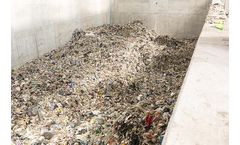
While waste gasification still requires high temperatures, as it does not use oxygen, fewer pollutants are produced and no potentially toxic ashes. Syngas itself is also a valuable fuel either for steam and electricity product, or syngas can be used as chemical feedstock in the synthesis of more valuable products.2 Complex Processing While waste gasification ...
However, varying waste compositions can make gasification challenging to control, resulting in inconsistent syngas compositions. Closely monitoring gas composition and adjusting process conditions during gasification can ensure consistent, high-quality syngas production. ...

In this paper, characteristics of syngas from the pyrolysis and gasification of tannery industry fleshing residues has been investigated. Pyrolysis and gasification behaviour were evaluated in terms of syngas composition and total energy production. Dried air and pure oxygen (99%) were used as gasification agents. ...

In addition to vitrifying the ash, the PGVA process recovers the energy present in the ash by gasifying the organics into a synthesis gas (syngas). The energy released by the gasification of the organics provides some of the energy required for vitrification and, more importantly, the resulting syngas (mainly carbon monoxide and hydrogen) can be fed back to the ...

This article describes the gasification of polyethylene–wood mixtures to form syngas (H2 and CO) with the aim of feedstock recycling via direct fermentation of syngas to ethanol. ...