
Tailings Disposal Articles & Analysis
14 articles found
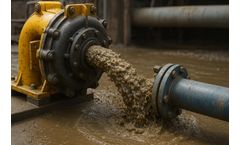
As solids concentration and slurry density rise, resistance and internal loading increase, elevating wear and energy demand.Abrasive wear: Hard minerals such as sand, ore, rock fragments, or tailings erode impellers, liners, casings, seals, and suction regions, with wear rates rising for sharp or coarse particles at high velocity.High solids concentration: Denser slurries require ...

Geomembranes are geotechnical impermeable materials made of plastic film as an impermeable base material and compounded with non-woven fabric, divided into low-density polyethylene (LDPE) geomembranes and high-density polyethylene (HDPE) geomembranes. They are polymeric flexible materials with low specific gravity, high extensibility, high adaptability to deformation, corrosion resistance, ...
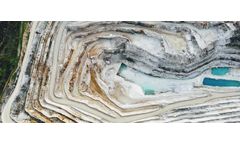
The mining industry heavily relies on water Preserving water quality and quantity in mining is critical for uninterrupted operations Sustainable water management in mining can be started by choosing sustainable solution in treating mine water All human activity depends on the availability of water. From basic survival to the most complex and innovative industries, it is a resource whose ...
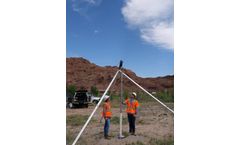
The Moab Uranium Mill Tailings Remedial Action (UMTRA) site is a former uranium ore-processing facility managed by the U.S. ...
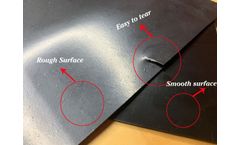
Anti-seepage engineering in aquaculture, anti-seepage engineering in the lotus pond, anti-seepage engineering in the reservoir, anti-seepage engineering in salt field, anti-seepage engineering in landfill, anti-seepage engineering in tailings disposal site, anti-seepage engineering in sewage pool, biogas The use of recycled geomembrane in the anti-seepage project ...
The geomembrane itself has a wide range of applications, such as landfills, hazardous waste disposal sites, tailings dams, heap leaching tanks, oil seepage prevention, sewage plants, biogas tanks, and so on. ...
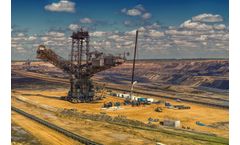
Highly corrosive chemicals such as lime, caustic soda and sulfuric and hydrochloric acid are often used as pH modifiers and can cause severe chemical burns if spilled or splashed. Mineral waste disposal The waste or unwanted minerals (tailings) separated from the valuable minerals are routinely disposed of in a tailings pond ...
The textured geomembrane he textured geomembrane can be fabricated with single or double-sided surface to increase the friction coefficient to better suited to steep slopes and vertical engineering design needs, improve engineering stability. Disposal of mine tailings is very important environmental concern for mining project. To control the release of ...

The remaining byproduct is then stored in a tailings disposal cell. The liquids are acidic with a pH between 1 and 2. Project Details Uranium Mill Tailings Disposal Location Ores Processed in Utah, Colorado & Arizona Products Used Bentomat ST Challenge: The liner system for the project must meet the Best ...
ByCETCO

The use of polyphosphates for remediation applications is a relatively new approach but an extremely cost-effective solution for reducing the bioavailability and mobility of toxic heavy metals and radionuclides in mining tailings, soil, and groundwater. CASE STUDY A recent remediation effort focused on uranium immobilization using polyphosphates was conducted by Arcadis U.S., ...

Mine backfill is defined as the material used to fill the cavities (i.e., stopes) created by underground mining. Backfilling can be a means to dispose of sludge and/ or tailings which may contain hazardous materials and to reduce surface environmental impacts by storing tailings underground. ...
The cost of water is often one of the main drivers for implementing a thickened or paste-tailings disposal system. When water is expensive or scarce, water savings can more than pay for the cost of thickened tailings. ...
Demolition – SRG demolished and disposed of over 30 processing buildings and associated concrete foundations, steel, and site features. ...

In the context of mining and non-aggregate quarrying this includes waste rock and overburden, whether inert or not, as well as tailings. 1.5 Establishing which minerals needed to be covered, and with what priority, was not simple. ...