
Refine by
Textile Environmental Articles & Analysis
38 articles found

The global textile waste crisis is intensifying — an estimated 120 million metric tons of textile waste will be generated in 2025, yet less than 1% is recycled back into new clothing. ...

There is an urgent need to boost the production of recyclable textiles and reduce their environmental impact. Creating high-quality textile products would help, although the challenge of reducing their recycling needs remains. ...

For resellers who sell into industrial, transport, environmental or outdoor applications, textile products are often mission critical. ...

This being the case, it is essential to recycle old clothes and give them a second life, in order to reduce the environmental impact of the textile industry and promote a circular economy. ...

Australia’s national approach to managing PFAS contamination has taken a significant step forward with the release of the PFAS National Environmental Management Plan (NEMP) Version 3.0, endorsed by environment ministers on 10 December 2024. ...
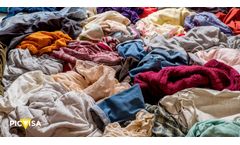
In Sweden, data from the Swedish Environmental Protection Agency (Naturvårdsverket) shows that more than 95% of textile waste is collected, facilitated by an advanced waste management system and strong public awareness. ...
In the textile industry, energy costs and environmental concerns are significant challenges. Sartex, an industrial group specialising in the manufacture of jeans, opted for a cogeneration solution to meet the challenges of rising energy costs and environmental pressures. Sartex chose Clarke Energy to design, supply and install its CHP plant to ...

By breaking down the pectin, Driselase helps to improve the clarity, filterability, and stability of these beverages, enhancing their overall quality and consumer appeal. In the textile industry, Driselase has emerged as a valuable tool for the bioscouring of natural fibers, particularly cotton. ...
In the field of waste management, keratinase plays a crucial role in the management of keratin-rich waste, such as feathers, hair, and hooves, by breaking down these materials and reducing their environmental impact. In the textile industry, keratinase is used to remove unwanted hair and other keratin-based contaminants from fabrics, improving their appearance ...
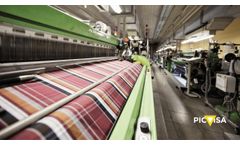
Proper management of textile waste, particularly post-industrial clippings and unsold garments, is crucial to reduce the environmental impact of the sector. Among the wide range of products, materials, and uses that this sector encompasses, used clothing (post-consumer waste) is the type of textile waste that has the greatest ...

In this context, ecodesign emerges as a key solution to reduce the environmental impact of the textile industry and improve its sustainability, as well as becoming a strategic driver of the economy. ECODESIGN: THE LIFE CYCLE OF TEXTILES Ecodesign changes the way products are designed and generated, taking into account ...
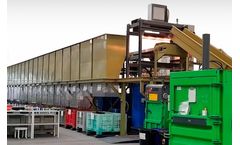
Textile recycling is an urgent need in our world. With the annual production of 92 million tons of textiles, of which 73% end up in landfills or incinerators, the environmental impact of the textile industry is enormous. However, the shortage of sorters has revealed that, despite the increased demand for recycled materials and ...
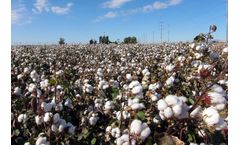
Naturally, some goods and services are more water intensive than others – and cotton, as one of the most common natural fibres used in textile production, has a significant environmental footprint when you take into account irrigation, industrial processes, manufacturing, distribution and ultimate disposal at the end of the product lifecycle. ...
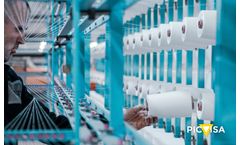
Europe has a problem with its textile waste. European consumption of textile products ranks fourth for its impact on the environment and climate change, behind food, construction and mobility. ...
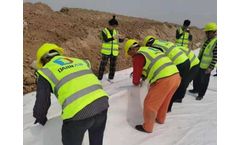
Summarize Geotextiles are not only of great significance to improving the quality of rivers, lakes, and seas remediation projects and reducing project costs but also to developing markets and adjusting the structure of the textile industry. Earth Shield Environmental Co., Ltd. WhatsApp : +86 189 6341 6260 Tel: 86-531-75787878 E-mail: [email protected] ...
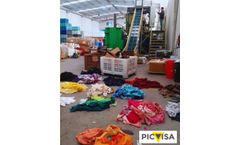
The textile has been the great forgotten in terms of recycling worldwide. ...

Europe generates more than 16 million tonnes of textile waste annually; 73% end up incinerated or in landfills and only 1% is recycled. Figures that make the textile industry one of the least sustainable on the planet. It is clear, therefore, that textile recycling has a fundamental role in the minimization and optimization of global waste ...

But the volume of water used is only one part of the industry’s environmental impact. Textile production wastewater also can contain a broad range of pollutants that harm external water resources. ...

Coir Products are a natural and biodegradable solution that are extensively employed to combat a variety of environmental challenges. Coir geo-textiles offer a number of benefits over synthetic geo-textiles. In addition to being 100% bio-degradable and environmentally friendly, they:: Adding organic material to soil ...
Hand in hand with other sustainable actions being taken to protect our globe, the importance of recycling old clothing and textiles is increasingly being recognized. Consumers, non-profit organizations and even fast-fashion companies are taking steps towards a more environmentally friendly textile industry, enabling recovery for reuse or material ...
ByTana Oy