
Refine by
Thallium Articles & Analysis
13 articles found

When you are evaluating treatment media, you usually need answers fast. What contaminants can this media remove? Which product is the right fit for the water chemistry you are dealing with? What is happening at the chemical level that makes the treatment work? Those are the questions we had in mind when we created Sorbster’s new Heavy Metals & Contaminants Removal Product Line ...

This may require the introduction of specific dopants, such as indium, gallium, thallium, arsenic, antimony, etc., to change the oxygen evaporation condition of the melt so as to reduce the corrosion of the crucible. 2、 Optimize the smelting and casting process and control the temperature and atmosphere: Reduce the contact time and reaction chance between metal and ceramic ...
Trace thallium levels in process and wastewater streams pose a human toxicity threat. ...
Rare earth metals and transition metals (iron, manganese, nickel, gold, silver, copper, zinc) and magnesium, aluminum, gallium, indium, thallium can form many alloys. Moreover, many intermetallic compounds are formed in their binary and multicomponent alloys. ...
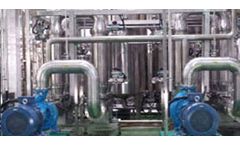
This technology used as a substitute for heating, removing thallium and turbidity. It can remove heat-resistant bacteria; keep soy sauce from perishing based on retaining original flavor and save the previous process of diatomite filtration. ...
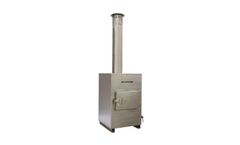
Medical waste that is radioactive includes material used for examinations like thallium stress tests and for certain cancer therapies. Some medicine uses radiation to diagnose problems with patients’ organs too. ...
The study is the first to establish background levels of HTCEs in Europe, which include the battery component lithium, several of the so-called rare earth elements (e.g. lanthanum and cerium) and thallium, also used in the electronics industry but historically as a rat poison and insecticide. ...

The increasing industrial use of thallium has raised the need for removal of this highly toxic element from wastewater. Thallium is more toxic than cadmium, copper, zinc, lead and mercury and as it is easily accumulated in humans, animals and plants, it poses a threat to both the environment and human health. ...

According to Environmental Protection Agency metals and metalloids of primary interest are: Silver (Ag), Aluminium (Al), Arsenic (As), Boron (B), Barium (Ba), Beryllium (Be), Cadmium (Cd), Cobalt (Co), Chromium (Cr), Copper (Cu), Iron (Fe), Mercury (Hg), Manganese (Mn), Molybdenum (Mo), Nickel (Ni), Lead (Pb), Antimony (Sb), Selenium (Se), Strontium (Sr), Tin (Sn), Thallium (Tl) ...
ByBUCHI

Geotube units offer a safe, economical cleanup method for the following contaminants: PCBs BTEX PAHs PACs Lead Copper Zinc Arsenic Creosote Chromium Beryllium Cadmium Mercury Selenium Thallium and more Environmental & Marine Remediation Environmental remediation projects are typically expensive, complex, and fraught with containment and disposal ...

Thallium poisoning due to thallium-bearing ore exploitation is very grave in some mining areas in Guizhou China. ...

Although the XFM is optimized for these elements, it is applicable to other elements including: vanadium (V), manganese (Mn), iron (Fe), nickel (Ni), copper (Cu), zinc (Zn), silver (Ag), antimony (Sb), barium (Ba), thallium (Tl), tin (Sn), bismuth (Bi), cobalt (Co) and selenium (Se). The XFM can quantify flue gas concentrations ranging from less than 0.2 to over 2000 ...

Triphaflavine and acridine orange as triplet energy donors, thallium (I) nitrate as a heavy atom, and sodium sulphite were used as scavengers of oxygen. ...