
Refine by
Thermal Camera Articles & Analysis: This-Year
7 articles found
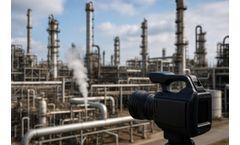
Leaks at high-pressure connections create hazardous zones. An infrared camera’s real-time visual plume depiction provides dispersion information that numerical sniffers cannot supply, enhancing safety planning and intervention accuracy.Moving Beyond Compliance: The Economic Case for VOC RecoveryBeyond regulatory avoidance, camera-based leak detection drives ...
ByOPGAL
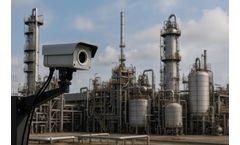
For decades, LDAR operated on campaign-based surveys using handheld OGI or thermal imaging, typically quarterly or annually. This snapshot approach is reactive and increasingly outpaced by regulatory expansion, including EPA OOOOb/c guidelines and Subpart W reporting by 2026. ...
ByOPGAL
Manhole inspection cameras are indispensable tools for municipalities, contractors, and industrial operators, enabling the efficient inspection of underground infrastructure without the need for direct human entry. These devices are subject to some of the harshest conditions imaginable, including extreme temperatures, water submersion, corrosive environments, and physical shocks. To withstand ...
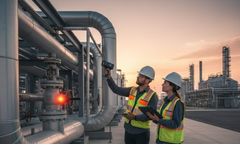
Most mature inspection programs are built around layered detection strategies, where different tools support one another depending on the type of leak, operating conditions, and inspection goals. Within this framework, thermal imaging to detect leaks is widely used as a complementary method. Rather than replacing specialized gas detection technologies, thermal ...
ByOPGAL
Electrical rooms and vaults house some of the most crucial components of a building’s electrical infrastructure, including switchgear, transformers, distribution panels, and more. Regular inspections are essential to ensure the safety, functionality, and compliance of these systems. As technology advances, innovative equipment is increasingly used to enhance the accuracy, efficiency, and ...
Remote inspection cameras have revolutionized the way industries conduct visual inspections, offering a safe, efficient, and cost-effective method to examine hard-to-reach areas. These cameras come in various types, each designed for specific applications across industries such as infrastructure, manufacturing, utilities, and ...
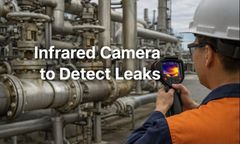
Traditional inspection methods often rely on point sensors, manual checks, or pressure testing, which may miss hidden or intermittent issues. An infrared camera to detect leaks offers a fundamentally different approach. Instead of measuring gas or fluid concentration at a single point, infrared imaging visualizes temperature and emission anomalies across entire systems. When ...
ByOPGAL