
Refine by
Thermal Waste Processing Articles & Analysis
26 articles found

During coating, spray painting, drying and finishing processes, significant amounts of volatile organic compounds (VOCs), paint mist and wood dust may be generated. ...

Plastic pyrolysis is a thermal chemical process that converts waste plastics into valuable products such as pyrolysis oil, carbon black, and syngas. ...
In an era where environmental sustainability is crucial, innovative technologies like pyrolysis are becoming increasingly important for waste management. Pyrolysis is a thermal decomposition process that breaks down organic materials such as plastic, rubber, and biomass into valuable products like oil, gas, and carbon black. ...
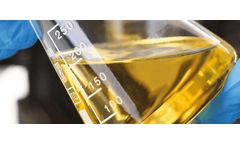
Plastic Pyrolysis and Naphtha Production Plastic pyrolysis is a thermal decomposition process where plastic waste is heated in the absence of oxygen to break down complex polymers into smaller hydrocarbons. ...
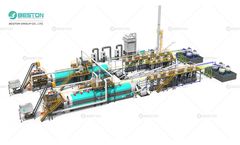
What Is a Thermal Desorption Unit? A thermal desorption unit is an advanced system designed to separate hydrocarbons from solid and liquid waste through controlled heating. ...
The European Union (EU) faces a critical challenge in managing its plastic waste. With increasing pressure to meet sustainability goals, including the EU Green Deal and the Circular Economy Action Plan, traditional recycling methods alone are insufficient to address the scale and complexity of the plastic waste problem. Plastic pyrolysis recycling, an advanced ...

Landfills, a traditional method of waste disposal, are overflowing. These sites take up significant space and can pollute the environment as waste decomposes. In 2009, the European Environment Agency released a report advocating for the transition from landfill disposal to more sustainable alternatives [1]. One viable solution uses a thermal ...
ByB&W Tek
In the global pursuit of sustainable solutions to tackle plastic pollution and meet energy demands, the emergence of pyrolysis technology offers a promising avenue. Pyrolysis, a thermal decomposition process, can transform plastic waste into valuable resources, including pyrolysis oil. ...
Understanding Plastic Pyrolysis to Oil Conversion: Plastic to oil conversion machines utilize pyrolysis, a thermal decomposition process, to convert plastic waste into liquid fuels such as crude oil, diesel, and gasoline. The process involves heating plastic feedstock at high temperatures in the absence of oxygen, leading to the ...
At its core, it involves the pyrolysis of waste plastic, a thermal decomposition process that breaks down plastic polymers into smaller molecules in the absence of oxygen. This process holds immense potential for environmental conservation, as it allows for the conversion of non-biodegradable plastic waste into ...
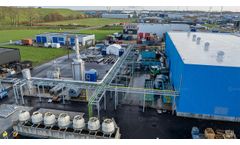
Introduction to Plastic Pyrolysis Plants What is Plastic Pyrolysis? Plastic pyrolysis involves a thermal decomposition process that converts plastic waste into valuable end products such as fuel, gases, and carbon black. ...
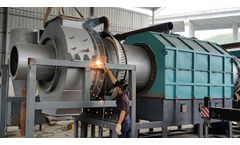
Understanding Food Processing Waste Types of Food Processing Waste Food processing waste encompasses a wide variety of materials, including fruit and vegetable scraps, meat and dairy by-products, and discarded grains. ...
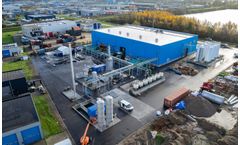
In a world grappling with the pervasive issue of plastic waste, waste plastic pyrolysis emerges as a beacon of hope. This transformative process harnesses the latent energy and value locked within discarded plastic materials, offering a sustainable solution to plastic waste management. ...
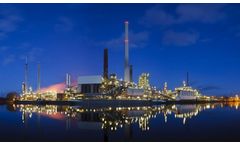
Waste valorization is a thermal process that uses waste as raw material to generate electricity and heating through combustion. ...
ByTECAM

There is a valorization process very much in demand nowadays, and that is waste-to-fuel. Waste-to-fuel is the transformation of waste into fuel, by means of pyrolysis. Pyrolysis is a common technique, designed for the thermal processing of waste to generate a usable by-product. ...
ByTECAM

Mass spectrometry is used to research the thermal hydrolysis of waste materials to gain a deeper understanding of how changing parameters affect the outcomes of the process. Mass spectrometry, especially an instrument manufactured to analyse dissolved species, is ideal for waste materials as contaminants can be identified and ...
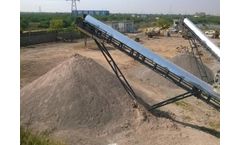
Thermal Processes Thermal treatment involves conversion of waste into gaseous, liquid and solid conversion products with concurrent or subsequent release of heat energy. ...

Most impressive is the ability to use the petroleum-contaminated soil from impacted sites to fuel the technology responsible for cleaning the soil of contaminants. The process uses the elements from the waste to power the thermal process which minimizes fuel costs. Once constructed, the Enhanced Thermal ...

The plant is treating sludge from the waste water plant. As part of the Phase 4 Expansion project PUB choose to implement a Cambi THP system to provide the thermal hydrolysis system to process waste activated sludge (WAS) from the Jurong WRP treating industrial and municipal wastewater. ...

Cutting and shredding of textiles prepares them for recycling The typical textile waste recycling technologies are mechanical, chemical, and thermal recycling. All these methods usually require the cutting and shredding of waste textiles before processing. In the mechanical recycling process, the textile is cut ...
ByTana Oy