
Thermochemical Conversion Articles & Analysis
14 articles found

The transformation of sawdust into charcoal is a thermochemical conversion process that requires precise control of temperature, residence time, and atmospheric conditions. ...
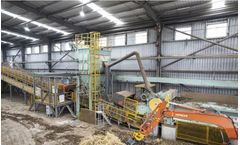
Methanol Production From Biomass The production of methanol from biomass is mainly based on the thermochemical conversion or biological conversion of biomass. The biomass is usually gasified to generate synthesis gas, and then under the action of a catalyst, the synthesis gas reacts to generate methanol. ...
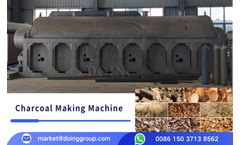
The biomass continuous carbonization furnace is an efficient and environmentally friendly equipment for the thermochemical conversion of biomass resources. The whole set of continuous carbonization furnace converts biomass into charcoal by controlling the temperature, pressure and gas of the carbonized material. ...
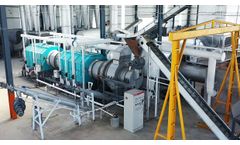
Biochar, a stable form of carbon, is created through the thermochemical conversion of organic materials in the absence of oxygen, commonly referred to as pyrolysis. ...
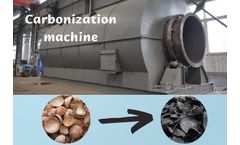
Continuous carbonization furnace is an efficient and environmentally friendly equipment for the thermochemical conversion of biomass resources. The whole set of continuous carbonization furnace converts biomass into charcoal by controlling the temperature, pressure and gas of the carbonized material. ...
Improper disposal of PKS can lead to environmental concerns, such as air pollution from open burning and landfilling issues. Pyrolysis, a thermochemical conversion process, offers a sustainable solution for PKS recycling, transforming this waste material into valuable products. ...

Biochemical conversion technology Anaerobic digestion (AD) and the fermentation are two main methods of biochemical conversion technology. ...

The Role of Pyrolysis in Soil Recycling Pyrolysis, a thermochemical conversion process, offers a promising solution to the challenges of crude oil-contaminated soil remediation. ...
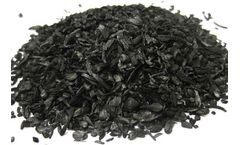
Moreover, the intriguing concept of carbon credit has emerged as a potent catalyst for supporting the widespread adoption of biochar as a game-changer in the realm of agriculture. Biochar, a byproduct of thermochemical conversion, has woven itself into the tapestry of sustainable farming practices. ...
Coconut Shell Charcoal Making Machine: How It Works Pyrolysis Process and Coconut Shells The heart of the matter lies in the pyrolysis process, a thermochemical conversion that applies heat in the absence of oxygen. Coconut shells, when subjected to pyrolysis within specialized machines, undergo a transformation into high-quality charcoal. ...
Biochar Production Processes High-Temperature Conversion of Biomass Pyrolysis is a thermochemical process that involves subjecting biomass to high temperatures in the absence of oxygen. This results in the decomposition of organic materials and the creation of biochar, along with valuable byproducts such as bio-oil and syngas. Thermochemical ...

There is a valorization process very much in demand nowadays, and that is waste-to-fuel. Waste-to-fuel is the transformation of waste into fuel, by means of pyrolysis. Pyrolysis is a common technique, designed for the thermal processing of waste to generate a usable by-product. The pyrolysis equipment consists typically of an externally-heated rotary kiln operated in the absence of oxygen. ...
ByTECAM

The following presentations are available on the BETO website: Thermal and Catalytic Processing Capabilities at NREL -- Zia Abdullah, NREL Integrated Biorefinery Research Facility (IBRF) - Overview -- Zia Abdullah, NREL Process and Product Development with PNNL -- Corinne Drennan, Pacific Northwest National Laboratory (PNNL) Industry – Lab Success Stories -- Rick Elander and Josh ...

Ethanol Feedstocks All plants contain sugars that can be fermented to make ethanol in a process called biochemical conversion. Plant material can also be converted to ethanol using heat and chemicals in a process called thermochemical conversion. ...