
Refine by
Thermocouple Articles & Analysis
139 articles found

Traditional monitoring methods such as thermocouples and inferential flow calculations are prone to mechanical failure and regulatory skepticism. ...
ByOPGAL
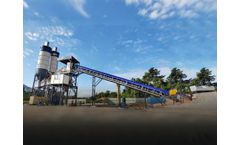
Smart automatic batching plant embed thermocouples in the mixer body and the water tank. The control system executes a temperature-compensated batching algorithm: for every 5°C above 30°C, the system reduces the target slump by 10 millimeters (to offset accelerated slump loss) and automatically dispenses a set-retarding admixture from a dedicated micro-doser. ...
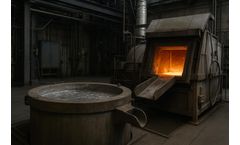
GME refining kettles incorporate 4-6 thermocouples and PLC control maintaining setpoints within ±5°C, preventing excursions that cause incomplete refining or excessive lead oxidation losses. ...
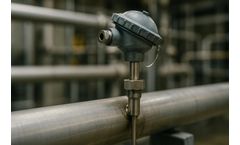
This guide translates laboratory precision into field performance, ensuring every thermocouple and RTD delivers stable, reliable readings from day one and throughout its service life. ...
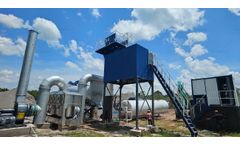
Require measured internal temperature profiles and stable thermal gradients Next, insist on internal temperature profile data gathered during extended runs at target production temperatures. Ask for thermocouple logs showing temperatures at multiple axial positions: burner zone, mid‑drum, injection point, and discharge. ...
ByMacroad

In-Situ and Online Decoking Technologies:Steam or Gas Purging: The periodic or continuous injection of a small amount of steam or inert gas into key areas can help gasify nascent coke deposits before they sinter into hard, adherent layers.Mechanical "Pigging" Systems: Inspired by pipeline cleaning, some advanced systems incorporate robotic or pressurized projectile systems that can travel ...
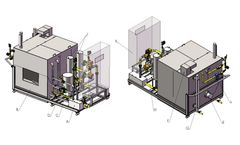
After reheating, the coolant re-enters Step 1 for continuous circulation. 2.4 The system features automatic temperature control, with a 15kW electric heater regulated by high-precision thermocouples. 2.5 Equipped with automatic liquid level and dosing controls: when the water level drops below the set threshold, the automatic dosing system activates to replenish the system with ...
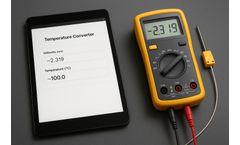
Thermo Electric Instrumentation introduces a browser-based tool for converting thermocouple millivolts to temperature with laboratory-grade precision. The tool embodies ISO 17025-accredited laboratory expertise and is digitized for direct use in the field or lab, eliminating the need for laminated lookup tables or mental approximations.Key differentiators include:1. ...
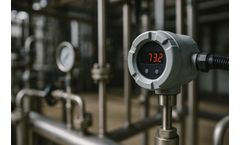
Predictive maintenance leverages digital diagnostics and analytics to anticipate issues before they become costly failures.Why Reactive Maintenance Isn’t EnoughMissed Drift: Thermocouple output shifts due to oxidation and grain growth, creating hidden measurement error well before a failure is evident.Accuracy Degradation: RTDs maintain high accuracy in general, but their ...

This approach misses early degradation signals that occur between checks, with consequences such as:Missed drift: Thermocouple output gradually shifts due to oxidation and grain growth, causing hidden measurement error long before failure.Accuracy decline: RTDs maintain high accuracy near zero degrees Celsius but degrade as temperature moves away from reference points.Unplanned ...
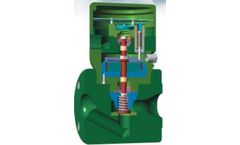
The components of the system include the Continental Controls ECV5 emissions control valve, a Zirconium Oxide O2 sensor, a three-way catalytic converter, two type K thermocouples, and a computerized monitoring and display unit (TCA). ...

If the deviation is too large, the PID parameters need to be recalibrated; replace the aged thermocouple probe. Heating plate inspection: After disconnecting the power, check the resistance of the graphite heating plate. ...
Temperature calibration: Use a standard thermometer (such as a K-type thermocouple) to verify the deviation between the actual temperature and the displayed value. ...
Possible reasons: Graphite heating module aging or breakage Temperature sensor (thermocouple/RTD) calibration misalignment or damage Clogged ventilation system leads to poor heat dissipation Excessive sample volume or uneven bottom of container can lead to uneven heating. ...

Our story at Thermo Electric began nearly 60 years ago with a singular, critical challenge: accurately measuring exhaust gas temperatures in aeroplane engines. This environment, characterized by extreme temperatures, intense vibration, and the absolute necessity for reliability, is what our engineering philosophy is built on. Today, we apply the lessons learned from that demanding context to ...
Understanding the standards that govern thermocouple accuracy is not only beneficial but also essential for ensuring process control, safety, and data ...
Ensuring the correct assembly of your temperature sensors is important for achieving reliable and accurate temperature measurements. Improper assembly can lead to premature sensor failure, inaccurate readings, and potential safety hazards, especially in industrial environments. This article will delve into key best practices for assembling various types of temperature ...
Thermocouples are among the most widely used temperature sensors in industrial and scientific applications, primarily due to their wide temperature range, durability, and ease of use. However, not all thermocouples deliver the same level of precision. To help users select the right sensor for their needs, the IEC 60584-2 standard defines “accuracy ...
At Thermo Electric Instrumentation, we recognize that supplying temperature sensors and thermocouple assemblies involves much more than delivering products; it requires providing a complete solution that ensures efficiency, safety, and long-term dependability. ...
Poor calibration practices can cause temperature sensors—thermocouples (TCs) and resistance temperature detectors (RTDs)—to drift over time, leading to small but cumulative errors that can result in millions in losses due to wasted energy, defective products, or unplanned downtime. ...